



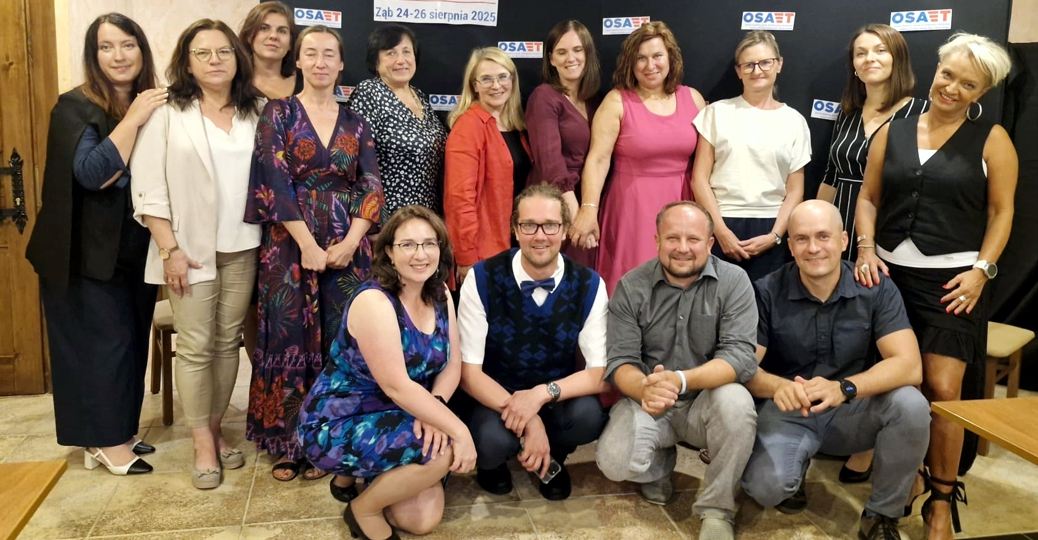
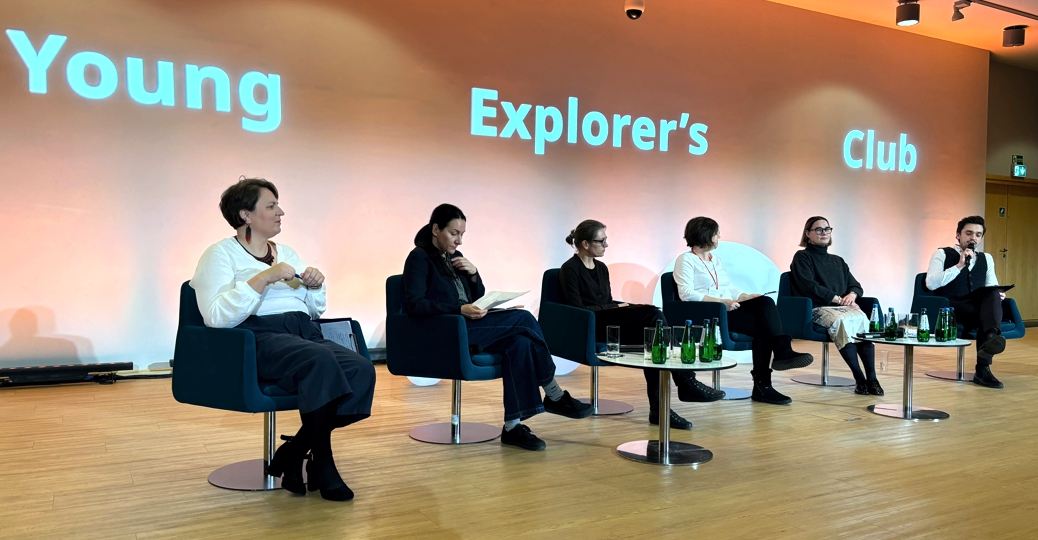
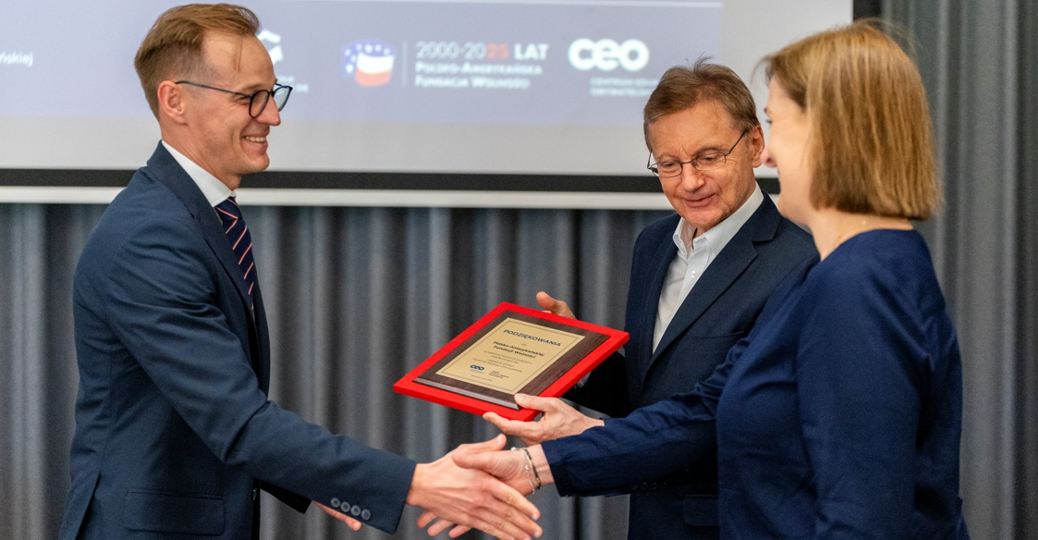
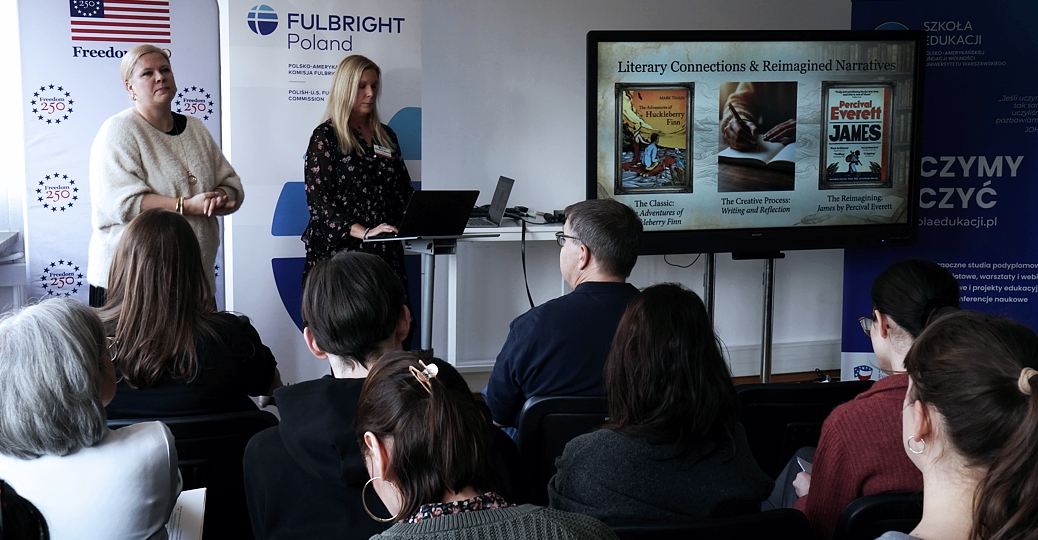
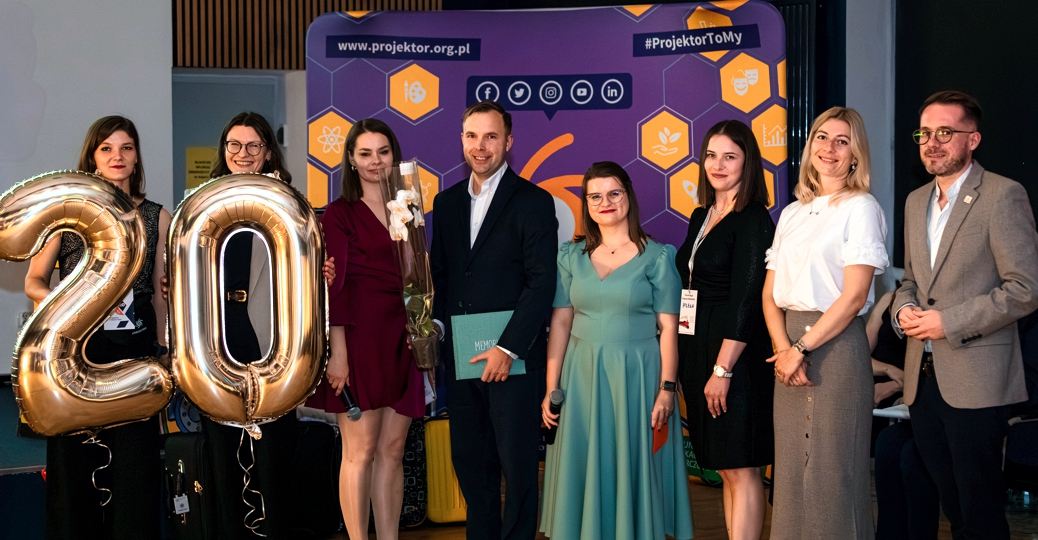


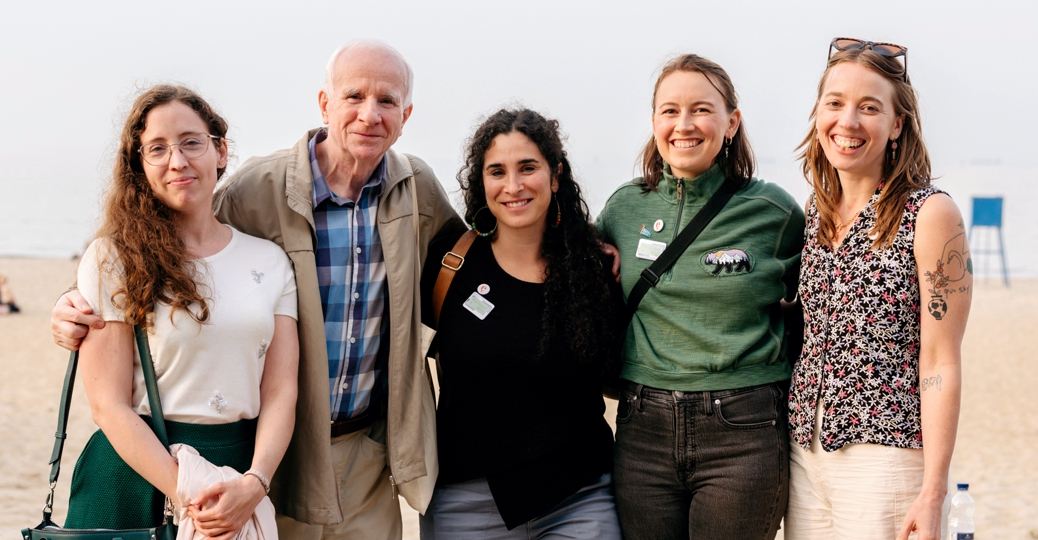
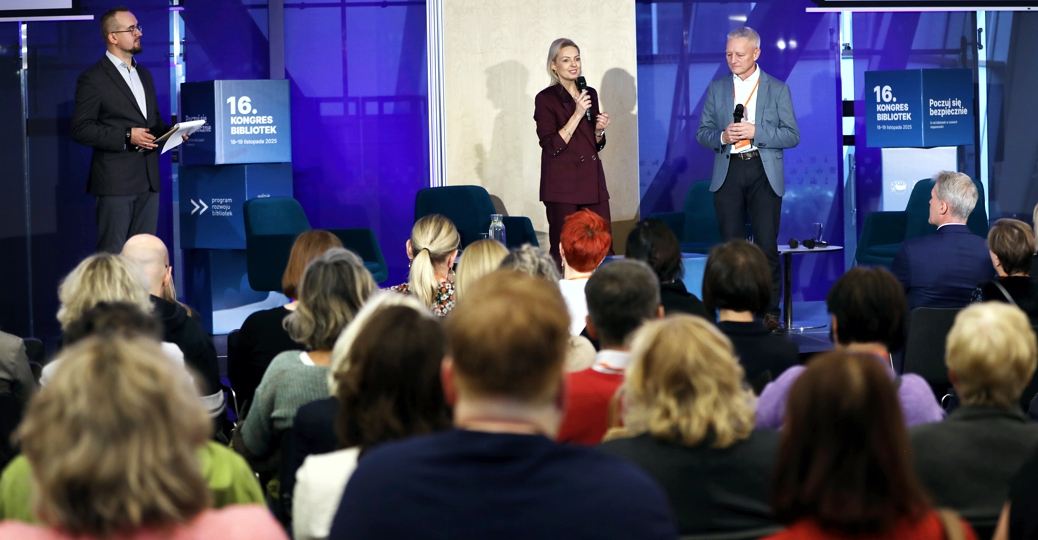

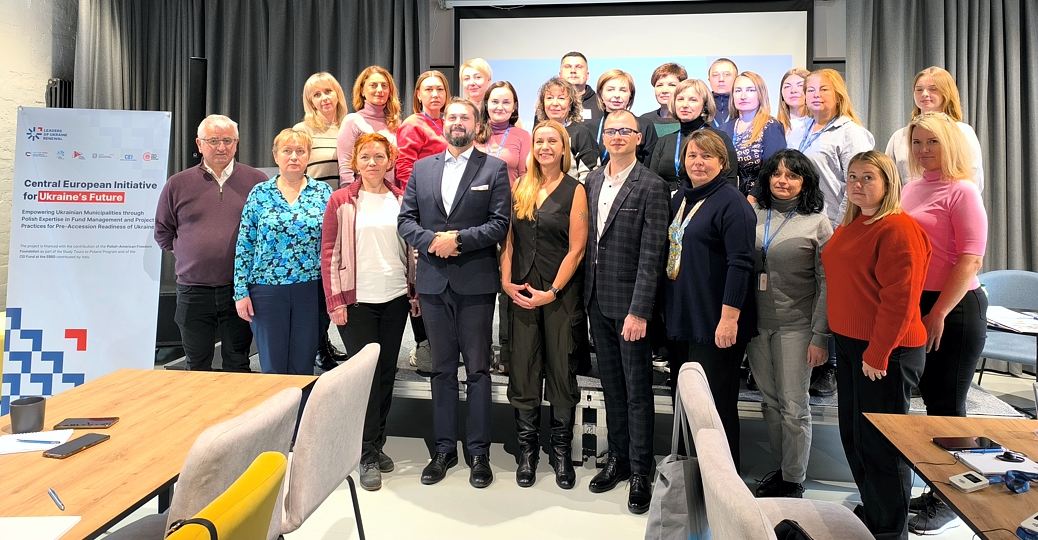

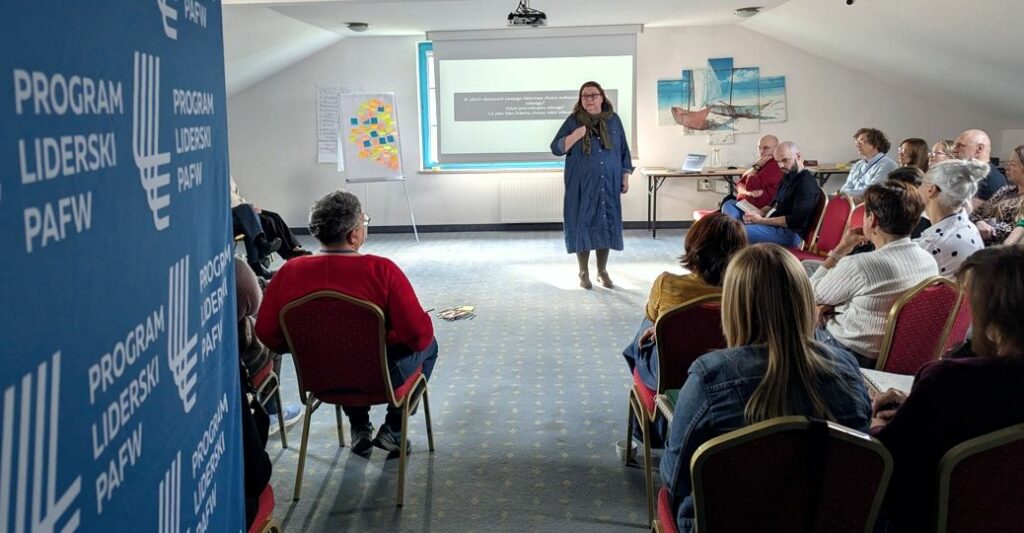
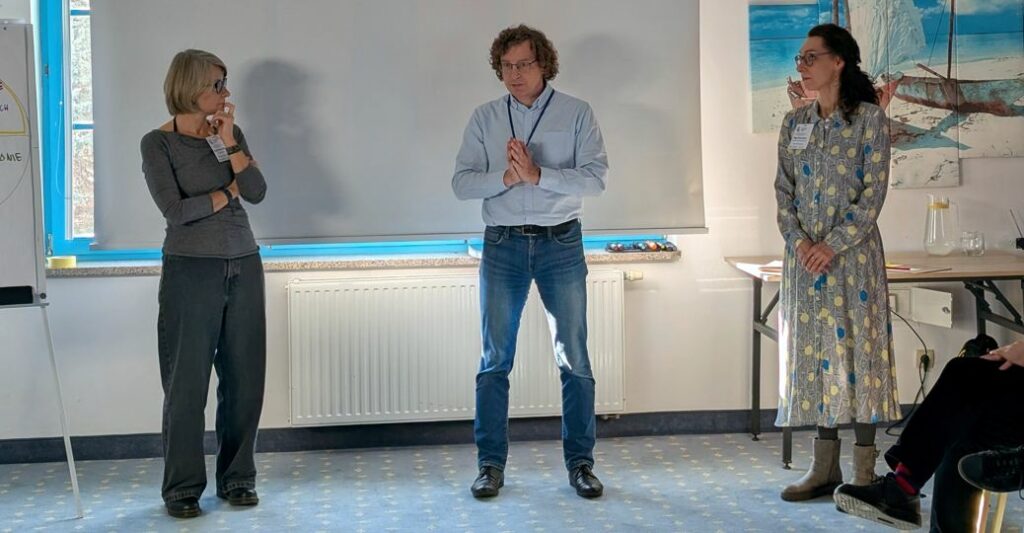
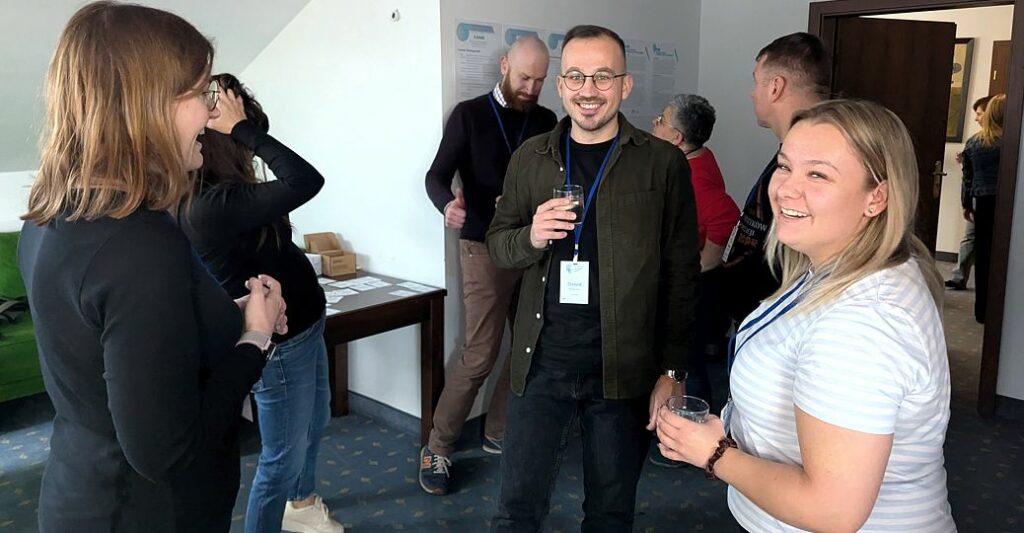
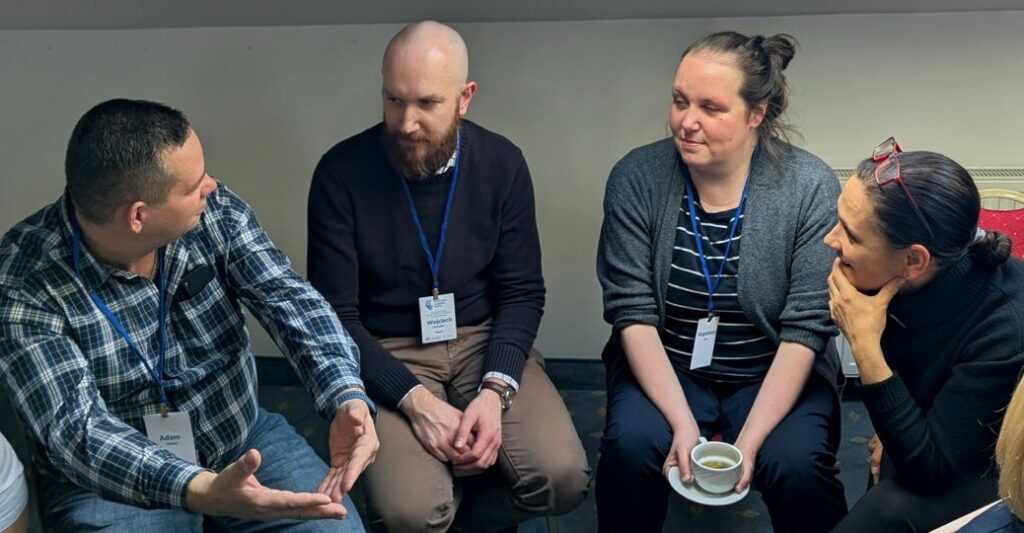
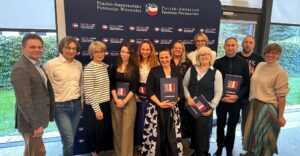
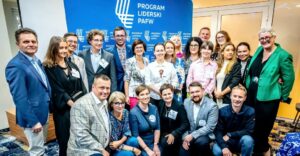
The second meeting of the 21st round of the “PAFF Leaders” program, which took place at the end of November in Książenice, focused on team building. A group of 60 people from all over Poland looked at various aspects and types of leadership: authentic, courageous, and situational leadership. The event was organized by the Zbigniew Pełczyński School for Leaders.
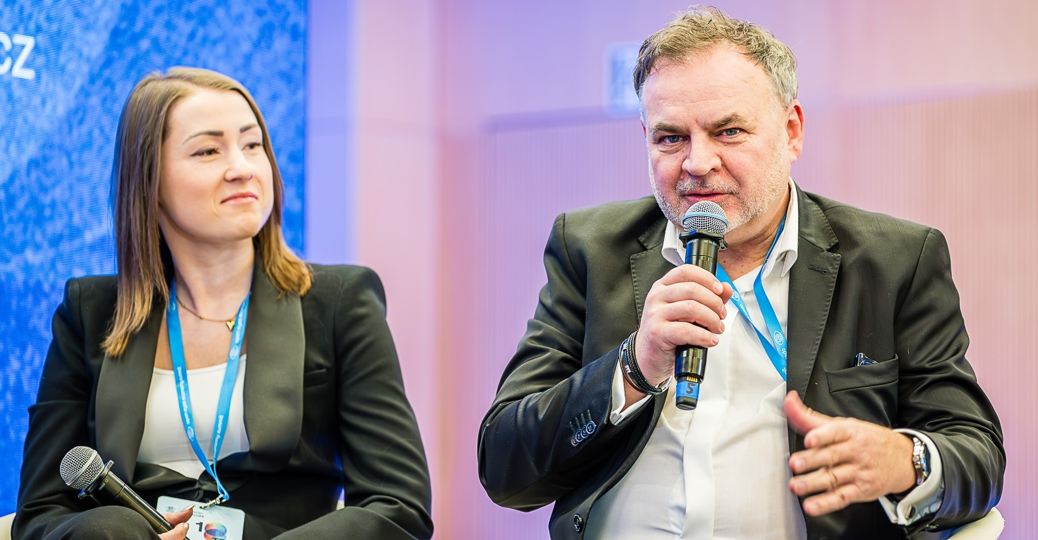
“It is crucial to build bonds and trust with the people we work with on a daily basis. I wish you that your individual development plans contribute to even better work in your teams and that their implementation be a source of pride and satisfaction for you,” said Mirosław Czyżewski, Program Officer of the Polish-American Freedom Foundation, welcoming the participants.
The rest of the meeting consisted of many inspiring workshops. Joanna Szeluga, referring to Brené Brown’s BRAVING model, showed “how to build your leadership with courage” – that is, around sensitivity and shame, in accordance with values, and based on bonds, trust, as well as the ability to recover from failures.
This theme was continued at a workshop run as part of the Brave Conversation Laboratory. In groups, participants practiced a tool for conversation in situations of difference, which involved listening to and understanding people with different views, looking for “threads” connecting them with their interlocutor. They broadened their understanding and perspectives without having to talk the others over. They discussed such topics as whether the law on the status of the closest person sufficiently protects the interests of people living in civil partnerships, or if strengthening leadership means increasing the pressure to be strong, or what are the consequences of the presence of migrants in Poland?
The story of Justyna Sobczyk, founder of Teatr 21 and currently director of Teatr Ochoty in Warsaw, highlighted important moments in her leadership journey – challenges in working with a team of people with diverse needs, at different stages of the team’s development and creating an institution, as well as moments of conflict with the group.
There was also time for individual work: evaluating the goals set out in the Individual Development Plan and during workshop activities in development groups.
An important part of the event were the following workshops: Deepening the Extended DISC Model competency with Małgorzata Lelonkiewicz, Situational Leadership with Katarzyna Czayka-Chełmińska, and The Cooperation Scale with Agnieszka Leśny. “Working with Extended DISC allowed me to better understand not only my own behavior, but also where the behavior of others comes from. I realized that diversity is truly beautiful. You just have to try to understand it. What makes us different can also bring us together. Today, more than ever, I appreciate these differences between us, rather than focusing solely on similarities. They enrich our cooperation and deepen our relationships,” said one of the PAFF Leaders.
“Meetings, conversations, integration, and building community of teams and socially engaged individuals, with an emphasis on development – these are the most important goals of the November training session of the 21st round,” summarized Mirosław Czyżewski, PAFF Program Officer.
The goal of the “PAFF Leaders” program is to support the development of skills and qualifications of people taking action for their communities, mainly through the use of tutoring, which involves ongoing cooperation between a local leader and an experienced tutor. The results of the twenty rounds of the program completed so far include improvement of the qualifications of 935 local leaders from all over Poland and creation of their active nationwide network, as well as training of 72 specialists in use of the tutoring method.