




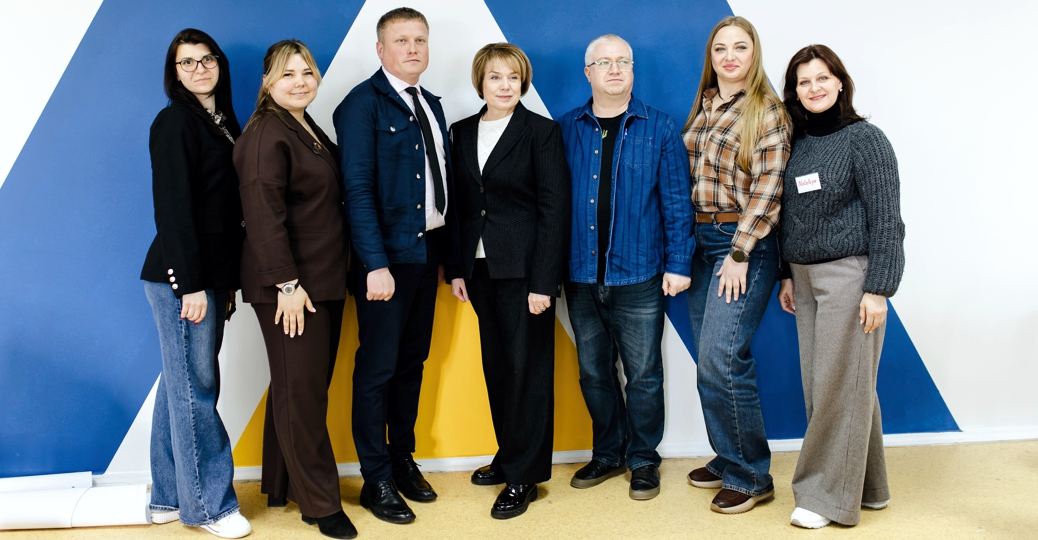


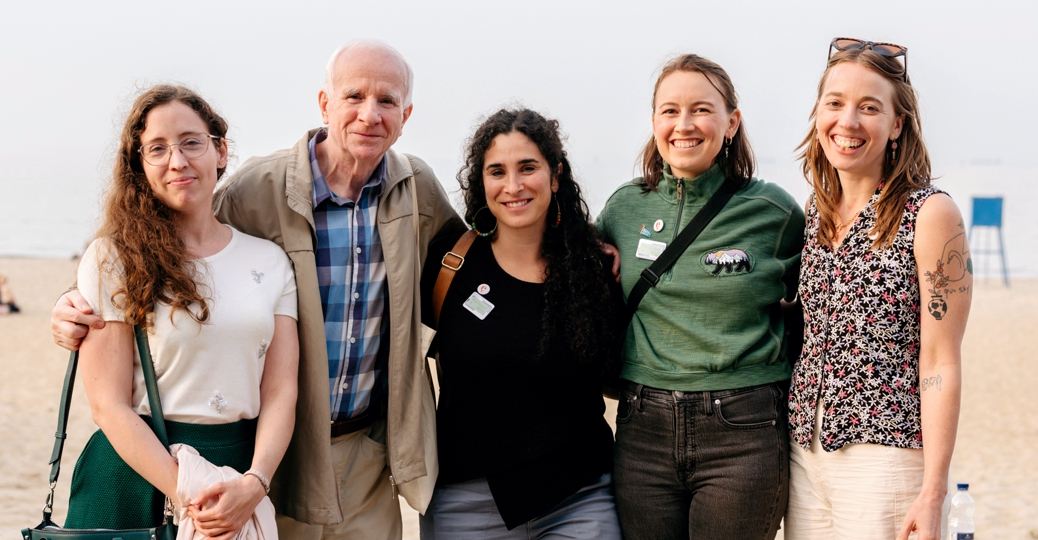

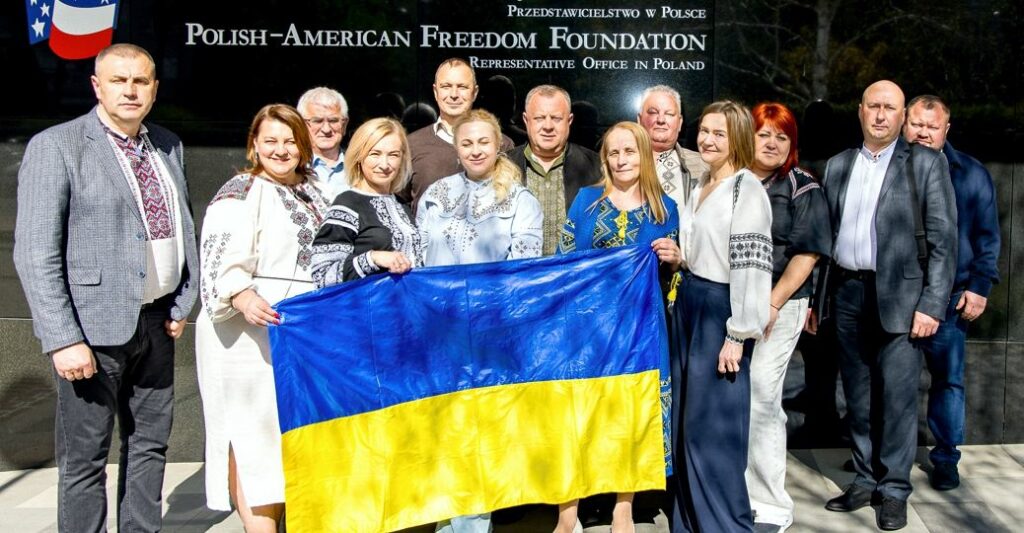


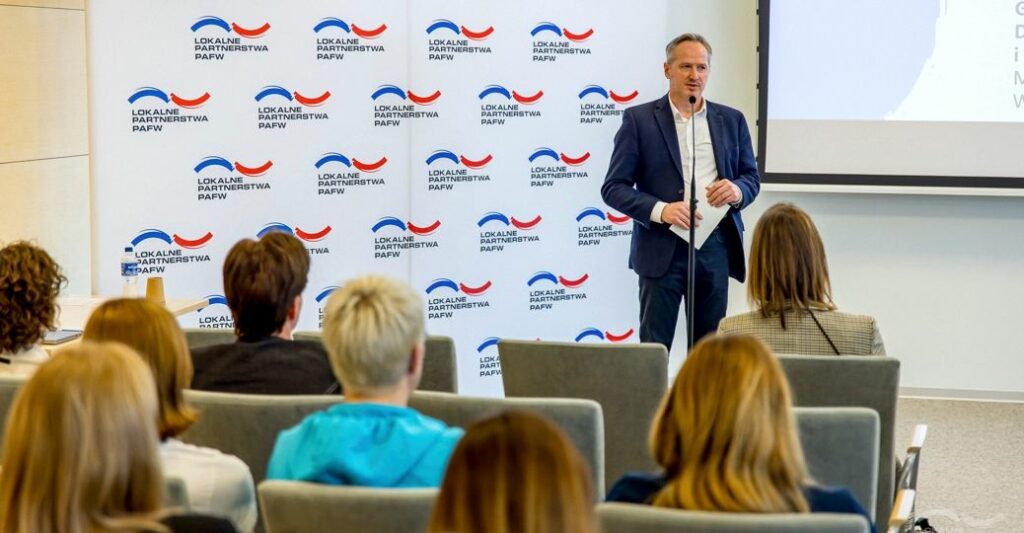

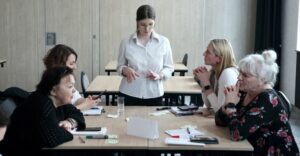
Discussions on social resilience, partnership-based cooperation, and relationships built on trust were the central theme of the two-day meeting inaugurating the Partnership Development Academy, which took place on April 20 and 21 at the headquarters of Polish-American Freedom Foundation. Special guests included representatives of seven communities from Ukraine, who were in Poland as part of a study tour under the “Study Tours to Poland” program.
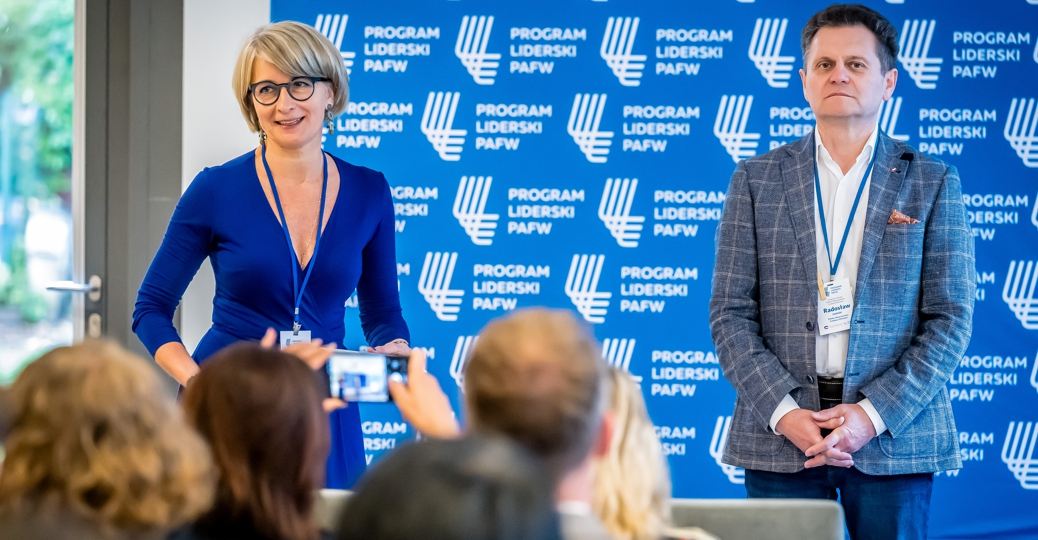
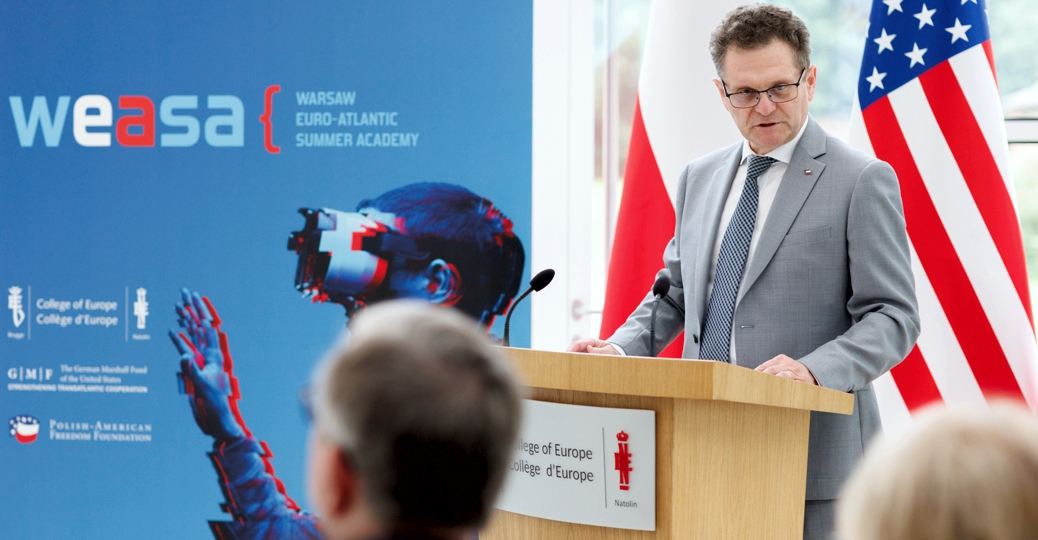
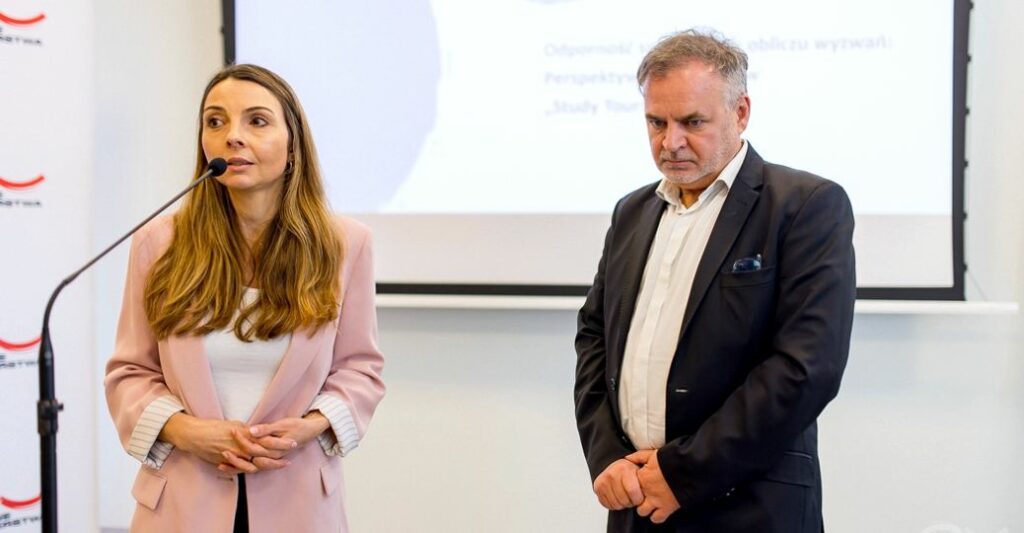
The participants were welcomed by Paweł Łukasiak, President of the Academy for the Development of Philanthropy in Poland (ADPP), and Kalina Grzeszuk-Zajączkowska, Program Officer at the Polish-American Freedom Foundation, who emphasized the importance of partnership-based cooperation in crisis situations requiring extraordinary mobilization.
In the opening lectures on the topic of social resilience, invited experts discussed how to combine grassroots initiatives with a systemic approach.
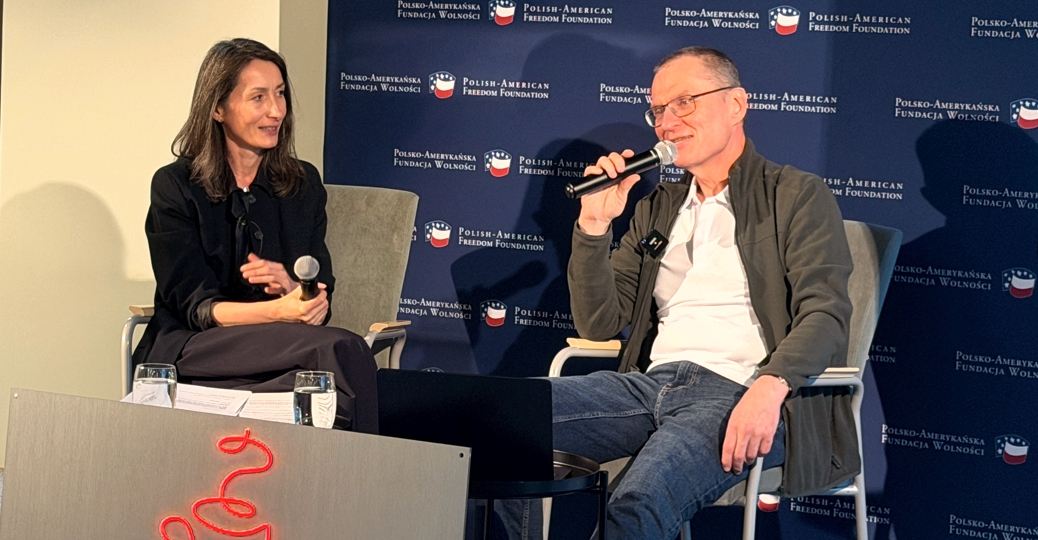
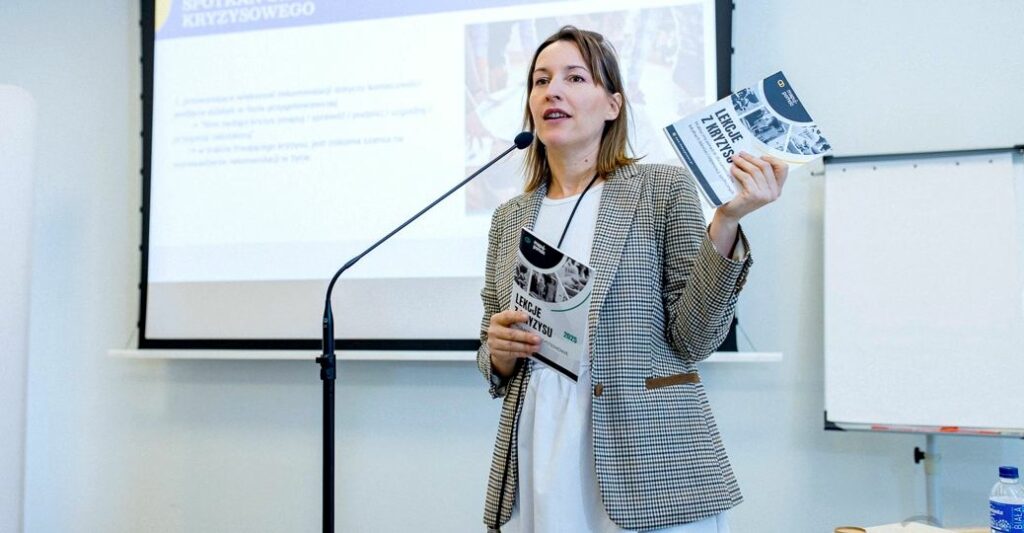
Monika Miłowska, President of the To proste Association, presented findings from the Lessons from the Crisis – A Practical Guide for Local Governments, Local Leaders, and Non-Governmental Organizations report which resulted from the work of the Mapuj Pomoc Network. Dr. Wojciech Wróblewski, Senior Specialist at the Department of Civil Protection and Crisis Management, Ministry of the Interior and Administration, spoke about how civil defense is currently being rebuilt in Poland and about the responsible attitude each of us must adopt based on procedures at the national level. “The micro scale builds the macro one. In this way, we all build the system (…) A huge role of non-governmental organizations is to build a culture of safety as something self-evident. In this context, we should build our social resilience together,” said Dr. Wróblewski.
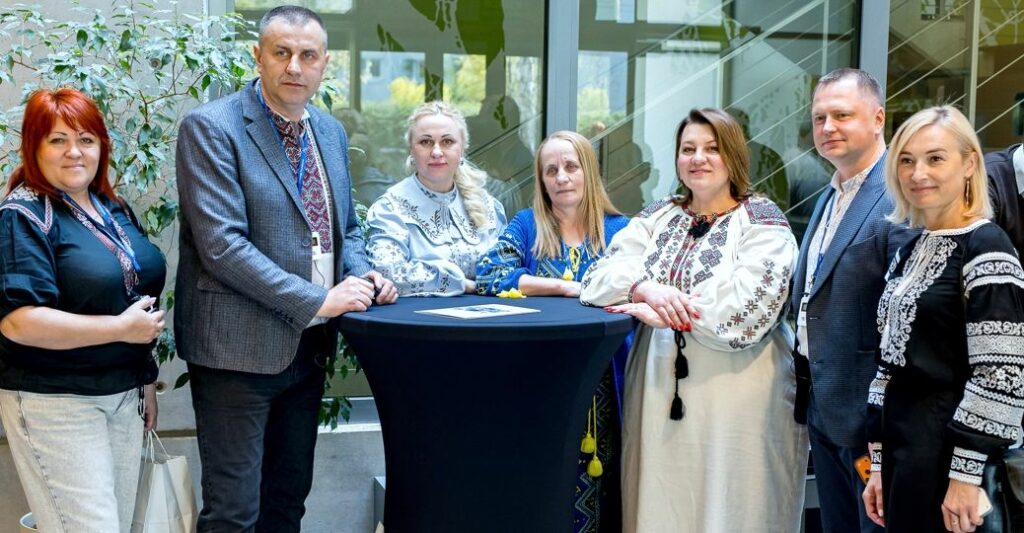
The next part of the meeting was on Social Resilience in the Face of Challenges – The Perspective of “Study Tours to Poland” Participants, and served as a forum for exchanging experiences between representatives of seven Ukrainian communities and Polish participants. The guests spoke about their communities, which aim to develop following the model of Poland’s pre-accession experiences, but also about how the outbreak of full-scale war in Ukraine abruptly redirected their communities’ efforts toward defense and preparedness for situations threatening residents’ safety. Among the most important elements of building resilience during a wartime crisis, they highlighted good communication, partnership-based cooperation between municipalities and network-building, resource sharing, meeting residents’ basic needs, seeking alternative solutions, as well as the need for psychological support for leaders. The meeting was marked by a solemn atmosphere and words of gratitude.
Following the plenary session, the Initiative Groups and Facilitators—the program’s most active alumni—participated in a series of workshops. The program’s objectives and rules for participation in the three-month mentoring program for newly formed Initiative Groups were presented by Emilia Dmochowska and Stanisław Głąbski from the Academy for the Development of Philanthropy in Poland; subsequently, Tomasz Schimanek, an ADPP expert, discussed with participants the Method of Local Community Animation for the Common Good. The facilitators, meanwhile, took part in the Local Communities Prepared for Crisis workshop led by Joanna Kucharczyk-Jurgielewicz from Ashoka.
The second day of the Academy for Partnership Development began with an opening lecture by Paweł Łukasiak on various models of social resilience, in which he emphasized that: “True social resilience stems from the experience of relationships based on trust and the experience of collaboration.”
The remainder of the meeting consisted of parallel workshop sessions: for Initiative Groups—on needs assessment and involving local communities in co-creating projects—and for Facilitators—on organizing local citizens’ assemblies regarding social resilience—led by the Shipyard Foundation Team.
The How to Work with Initiative Groups training for Facilitators, was led by Tomasz Schimanek, while the Local Community Ready for a Crisis workshop for Initiative Groups was led by Joanna Kucharczyk-Jurgielewicz from Ashoka.
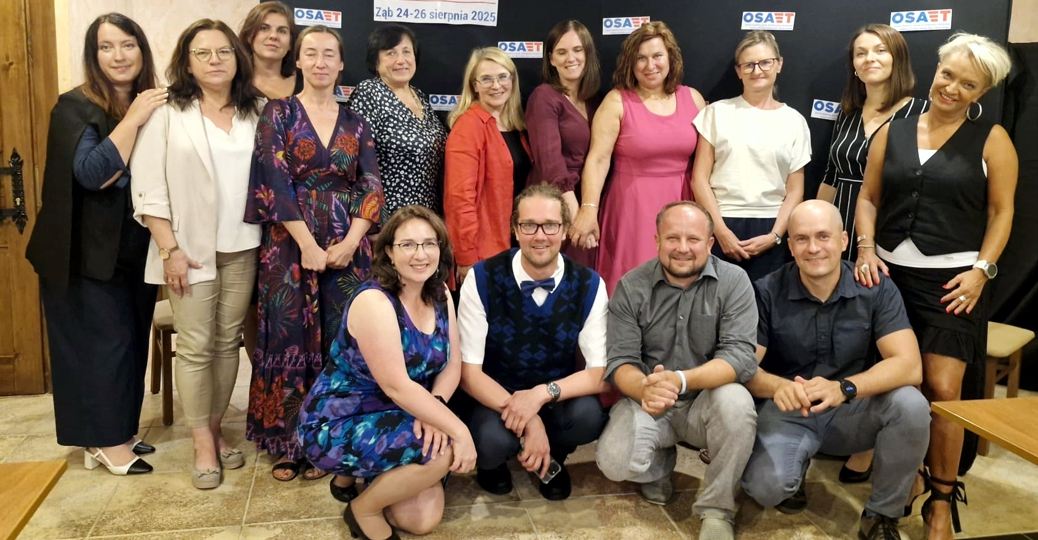
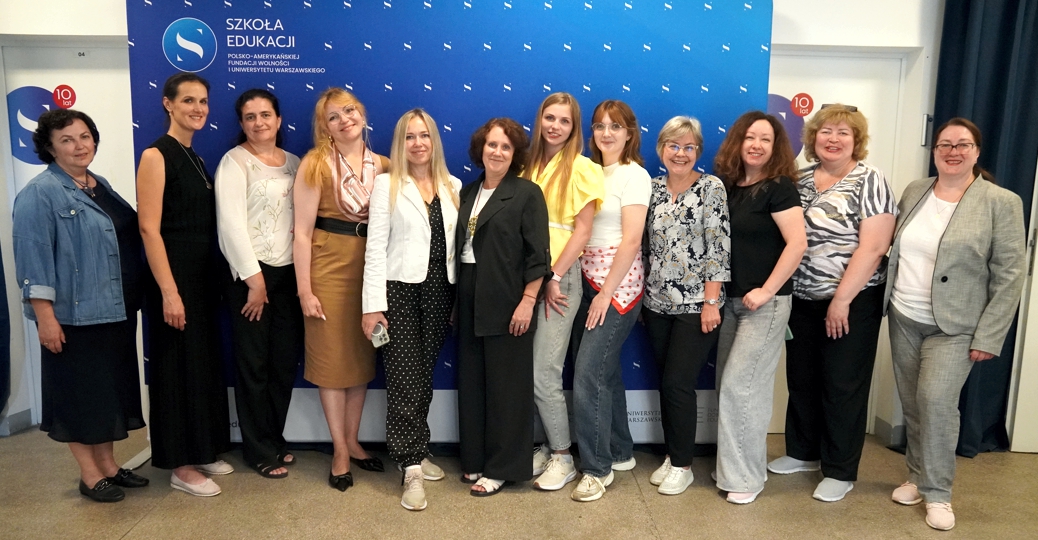
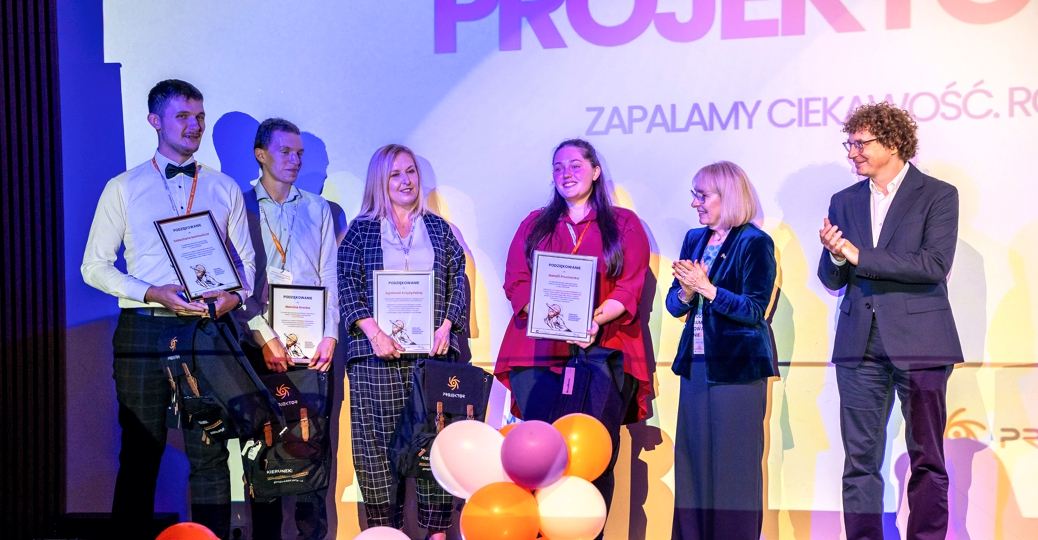
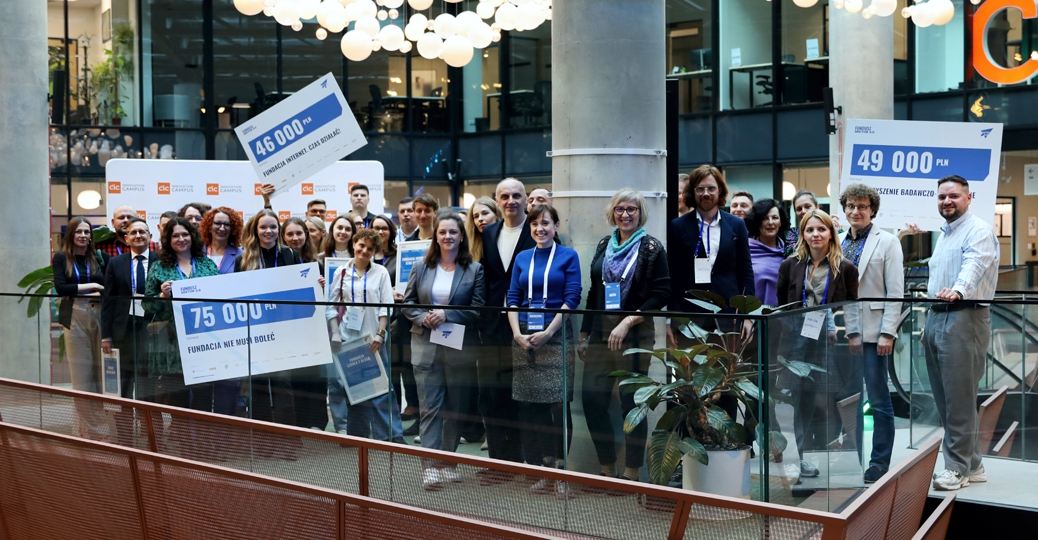
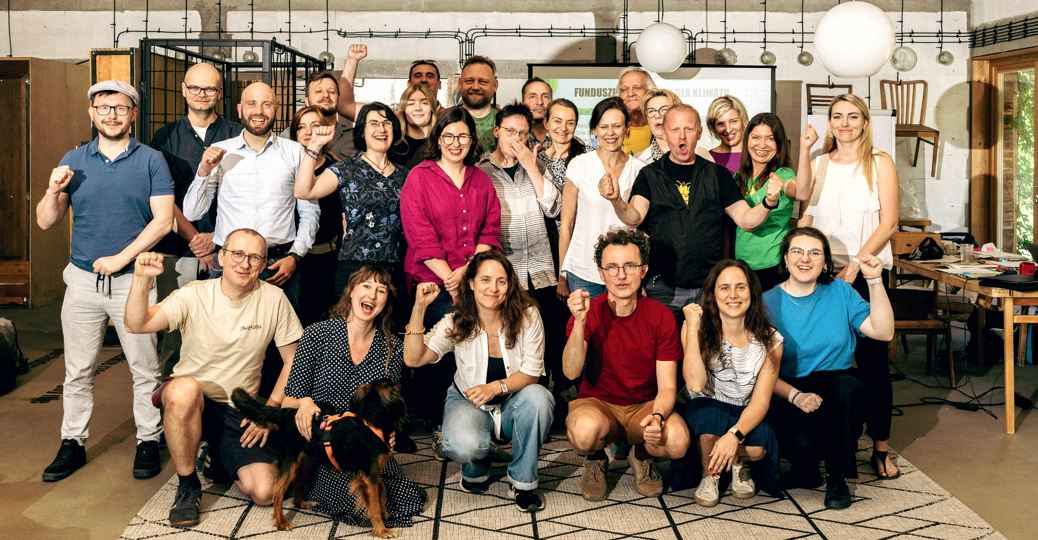
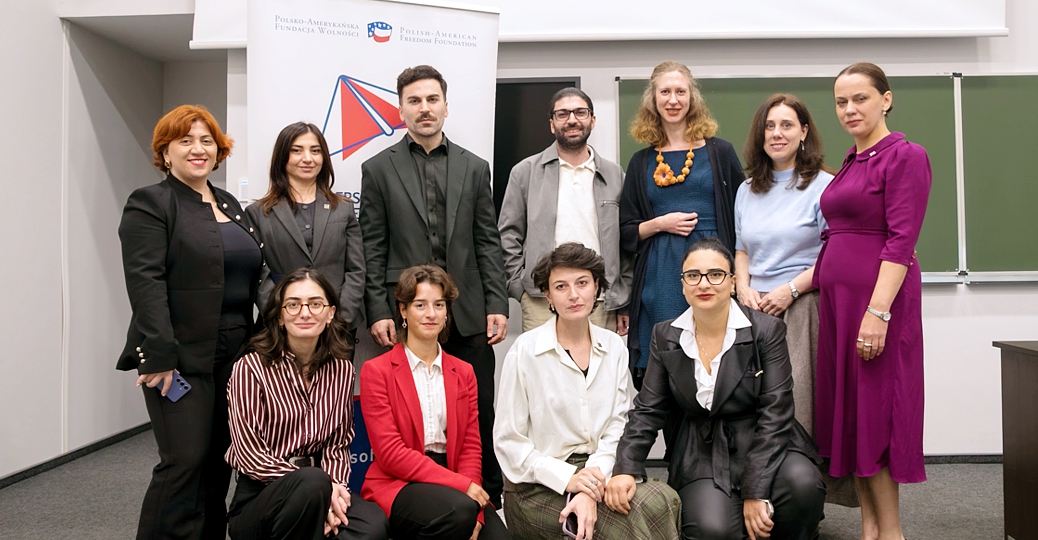
Over 50 people took part in the inauguration of the Partnership Development Academy: representatives of new Initiative Groups, Facilitators—the most active alumni of the program—and participants of a study visit from Ukraine as part of the “Study Tours to Poland” program.
The Partnership Development Academy is a three-month tutoring and development program for Initiative Groups, which will result in the preparation of partnership projects with the support of Facilitators and based on the local community facilitation method. The Partnership Development Academy is a component of the “PAFF Local Partnerships” program, which aims to foster cooperation among participants of various PAFF programs to create partnerships that implement projects important to local communities. Since 2009, the program has established 83 partnerships across Poland in 132 municipalities, involving 1,230 partners.