



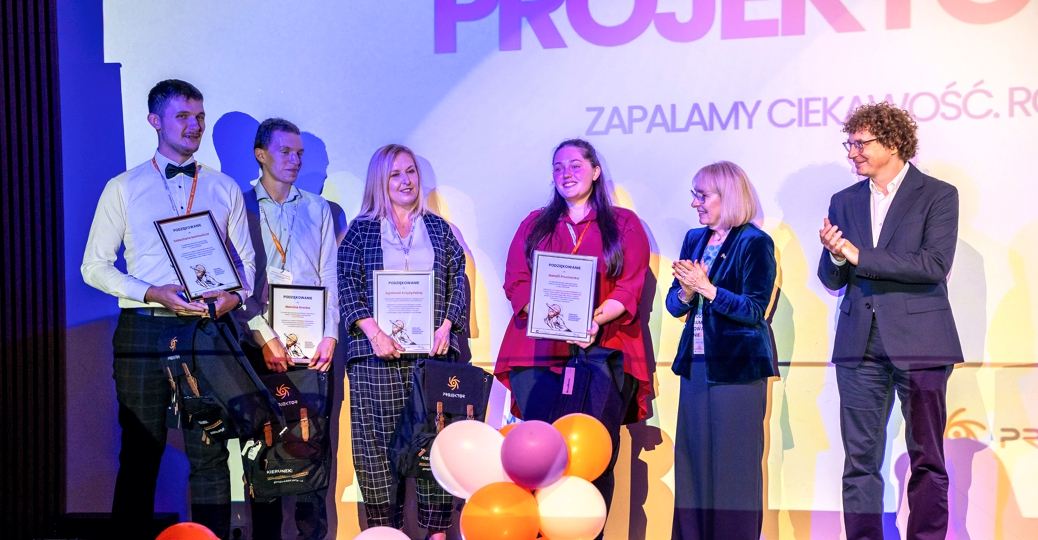


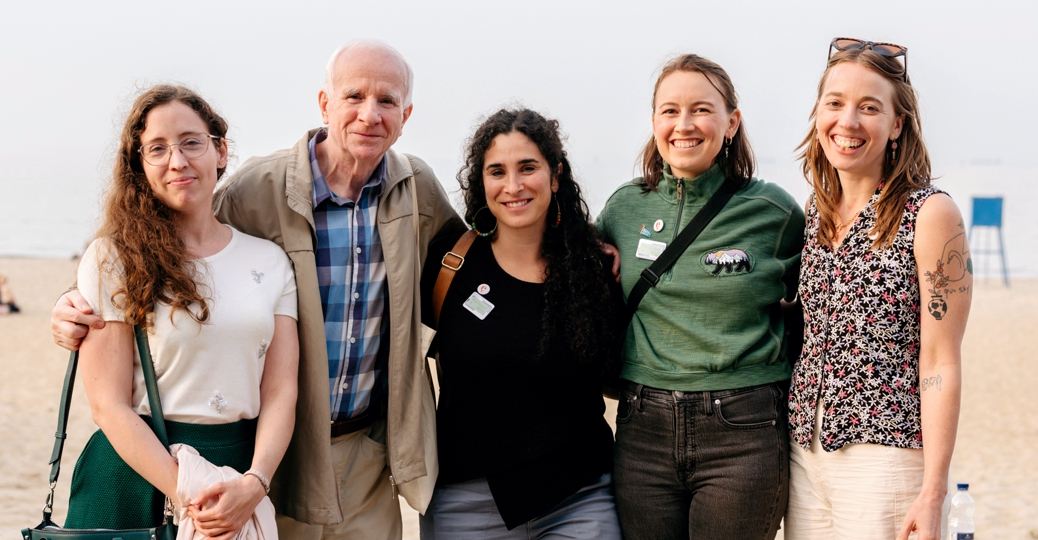
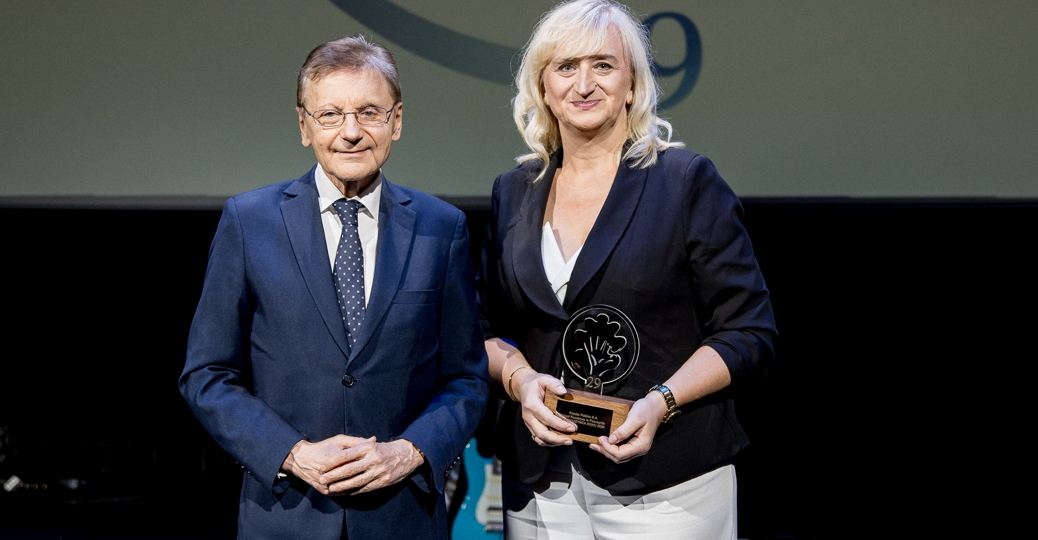

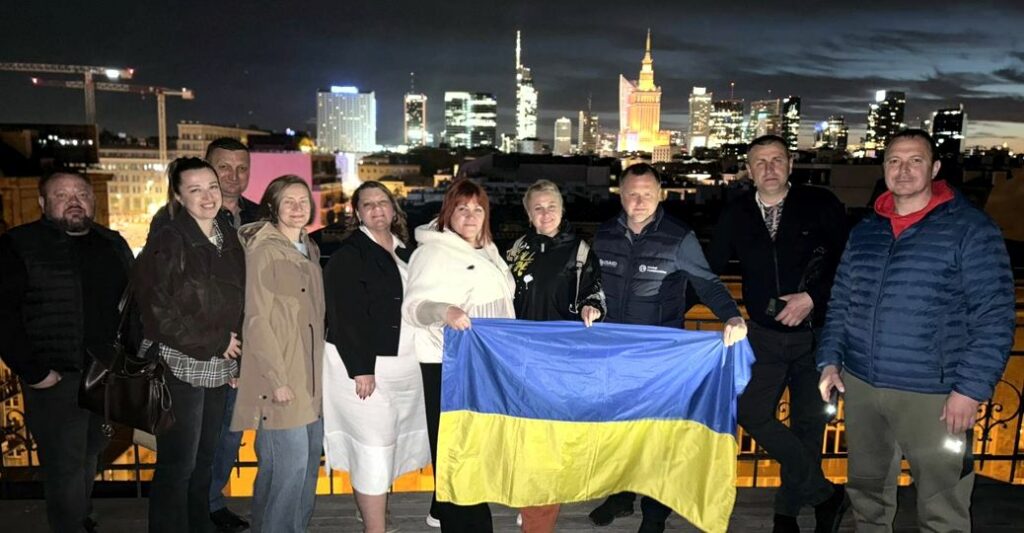
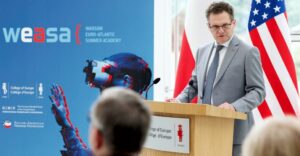
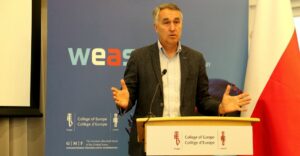
A study visit by representatives of eight Ukrainian communities, organized as part of the “Study Tours to Poland” program in cooperation with PAFF Local Partnerships, provided a forum for an intensive exchange of experiences: from Polish investment practices to Ukrainian models for building resilience in wartime conditions. Meetings in Warsaw and four municipalities and rural communes in Mazovia demonstrated just how much both sides have to offer each other.
Guests from Ukraine
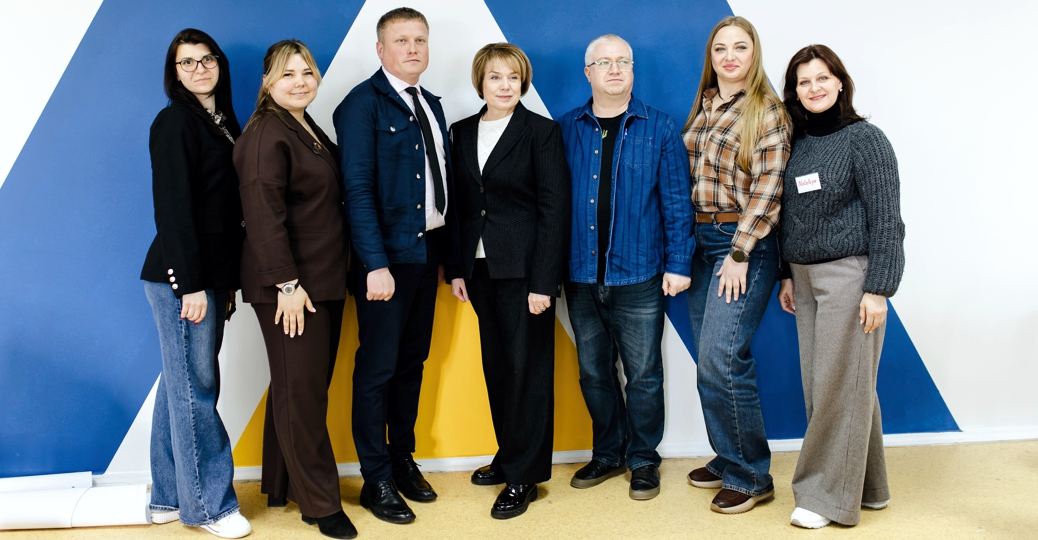
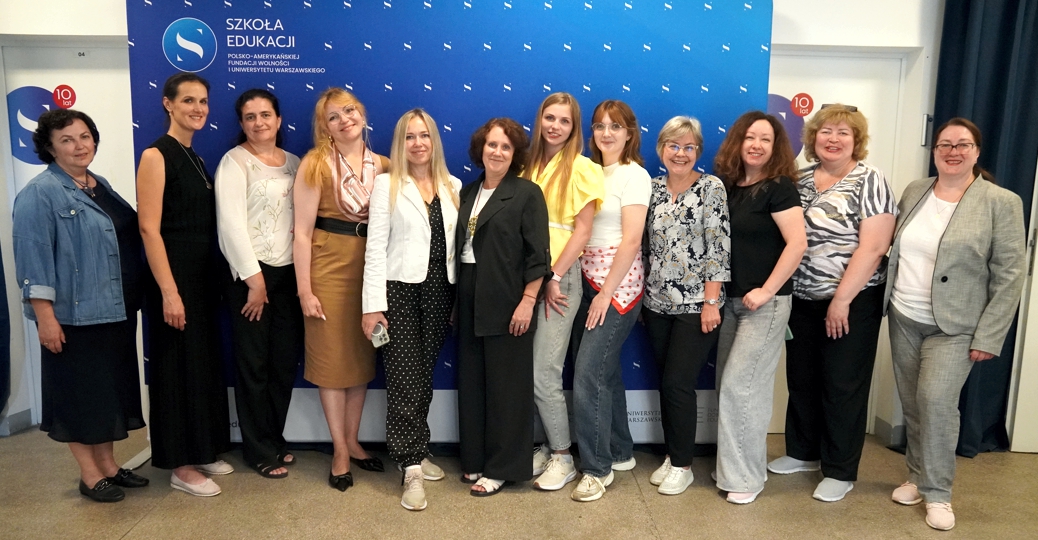
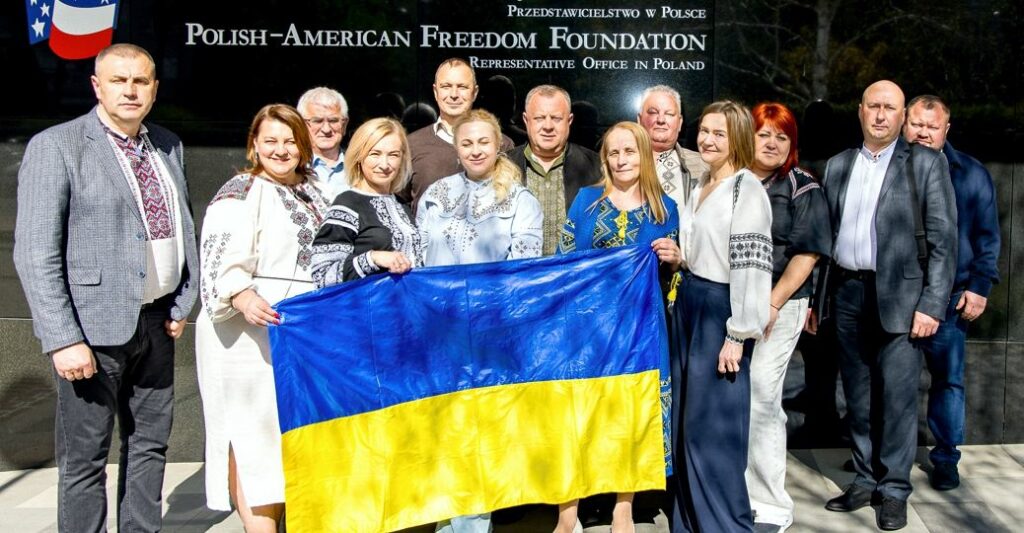
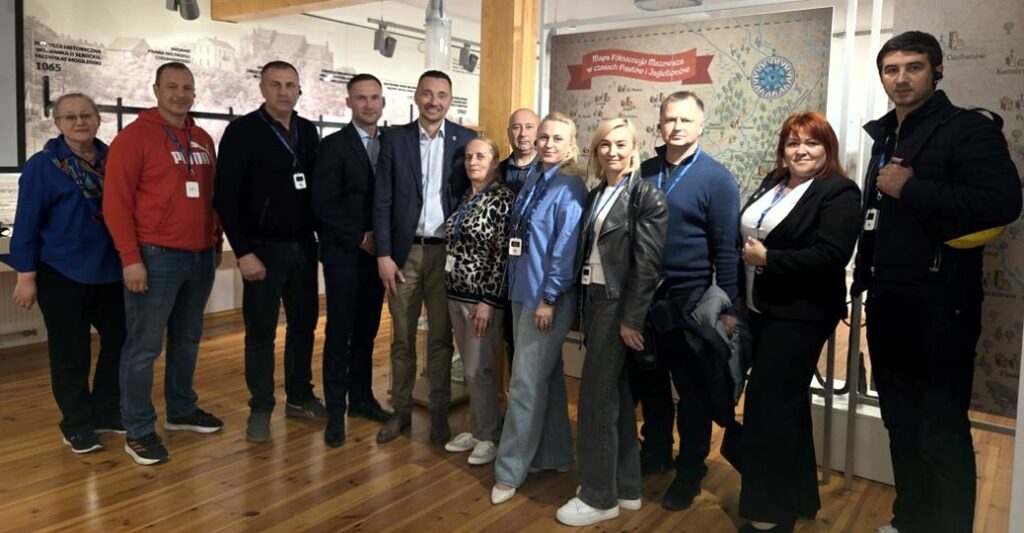
In the second half of April 2026, Poland hosted 16 representatives of eight Ukrainian communities from the Sumy, Kirovohrad, Rivne, Odesa, Ternopil, Chernivtsi, and Kyiv regions. The visit was organized in cooperation with the Association of United Communities of Ukraine and Vitaliy Bezhin, a member of the Verkhovna Rada of Ukraine, by the Leaders of Change Foundation as part of the “Study Tours to Poland” program, which since 2004 has enabled leaders from Ukraine to learn about Poland’s experiences in transformation, local government, and European integration. By 2025, over 7,700 professionals from Ukraine had already participated in “STP” – this round was another step in building the competencies needed for post-war reconstruction. Its main theme was investment projects as a driver of local development – both in Poland and in Ukraine.
Polish investment experience – a foundation for Ukraine’s reconstruction
The participants arrived in Poland just as Ukraine was launching its infrastructure investment financing system under the Ukrainian Facilities program. Consequently, formal issues drew particular interest: the project lifecycle, documentation, procedures, and financing models. Among other events, a meeting was held in Warsaw with representatives of Bank Gospodarstwa Krajowego, who presented the framework of the infrastructure investment financing system.
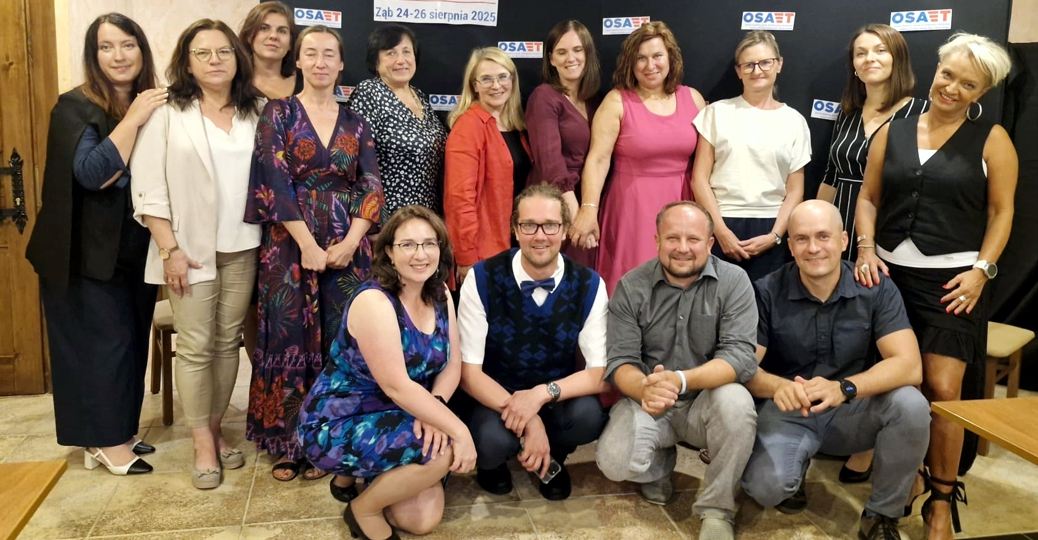
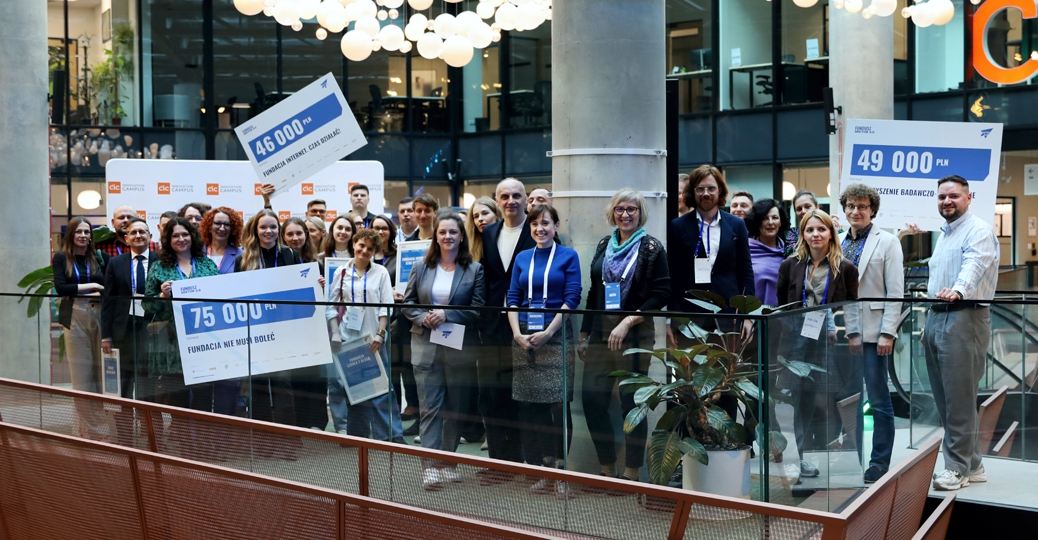
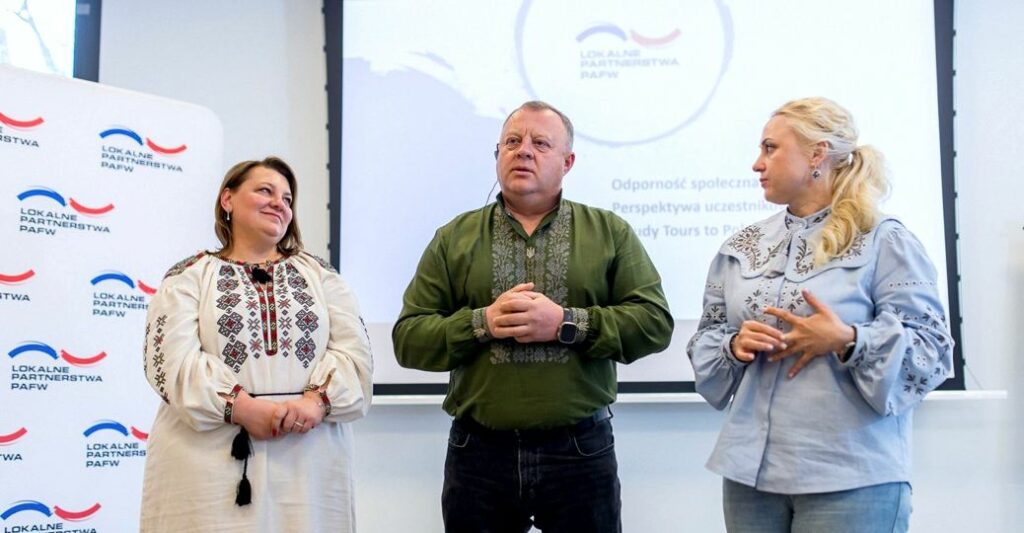
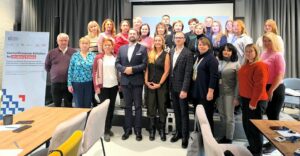
Meeting with PAFF Local Partnerships – the first such dialogue on resilience
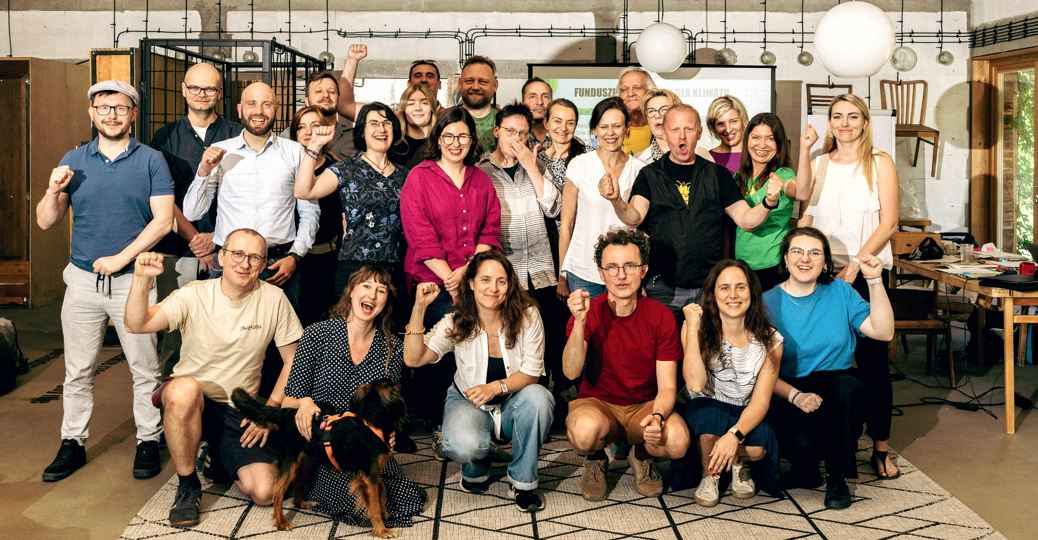
One of the key items on the agenda was a meeting with participants of PAFF Local Partnerships – a program that has for years been fostering cooperation between organizations, local governments, and residents, building local social capital.
At the meeting, the Ukrainian guests shared with their Polish partners their experiences in building social resilience amid ongoing Russian aggression. They spoke about organizing daily life under the pressure of threat, about mobilizing residents, and about local support and rapid response systems. Their testimonies served as an important complement to Polish experiences – demonstrating that resilience is not just about infrastructure, but above all about people.
The event referred to the idea presented as part of the Partnerships for Social Resilience initiative, emphasizing that cross-sectoral cooperation and local ties are crucial in times of crisis.
Visits to communes and municipalities – practice, documentation, discussions on details
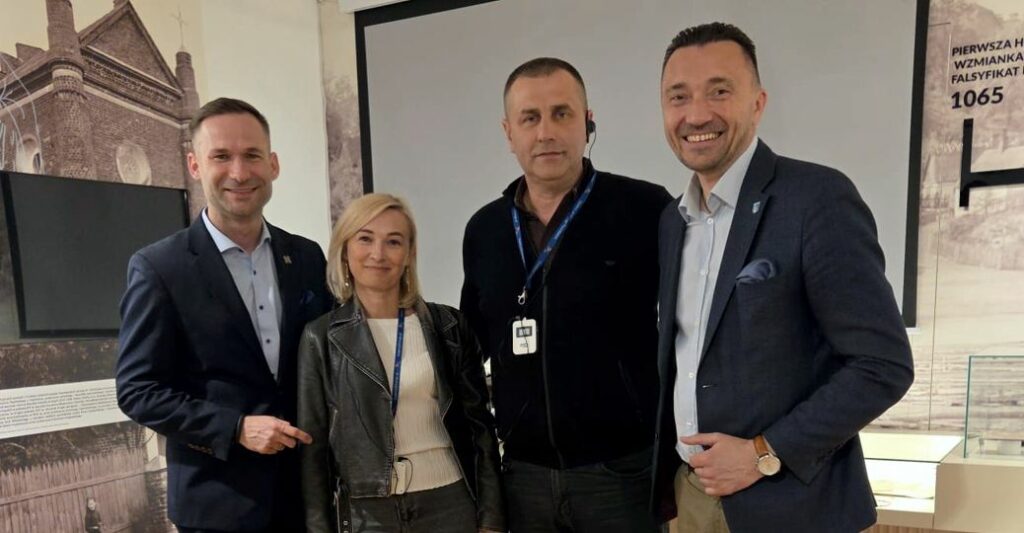
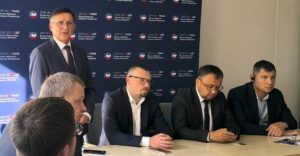
Over the following days, the group visited four rural communes and municipalities in Mazovia: Długosiodło, Wieliszew, Załuski, and Serock.
Representatives of the local governments of these municipalities – active in various PAFF programs – presented their most important investments: from road and social infrastructure to educational and environmental projects. The municipal representatives shared not only the results but also complete project documentation, discussing in detail the stages of preparation and implementation.
The Ukrainian participants emphasized that it was precisely this openness – the opportunity to see “behind the scenes” how the investment process works in Polish communes and municipalities – that was most valuable to them.
Partnerships for the Future
During the visit, the topic of building lasting relationships between Polish and Ukrainian local governments came up repeatedly. The guests from Ukraine expressed their readiness to form partnerships, undertake joint projects, and exchange knowledge. In turn, the Polish communes and municipalities emphasized that Ukraine’s experiences with resilience – gained under extreme conditions – are also an inspiration for them.
The joint discussions showed that Polish-Ukrainian cooperation can be a two-way road: Poland shares its experience in transformation and project management, while Ukraine shares its practices in building social resilience and civic mobilization.
“The study visit confirmed that partnerships based on trust and knowledge exchange are one of the most effective tools for reconstruction and development – both in times of peace and in the face of crisis,” summarizes Mirosław Skórka, Director of the “Study Tours to Poland” program.