





Menu
  • Polski
  • English
  •  
    • Foundation
    • Programs
    • Gallery
    • Contact
    ENGLISH TEACHING
     
    The program is addressed to schools, teachers, local leaders and non-governmental organizations. Through training and grant competitions, it supports efforts aimed at improving the quality of English language teaching to children and youth from small towns and rural areas. The program’s rich offer contributes to the professional development of English teachers who are working in small localities.
    PROGRAM MANAGER:

    The Nidzica Development Foundation “NIDA”
    3 Rzemieślnicza St., 13-100 Nidzica
    tel. (48 89) 625-36-51, tel./fax (48 89) 625-36-62
    e-mail: j.kowalczyk@nida.pl

    englishteaching.org.pl


    News
     
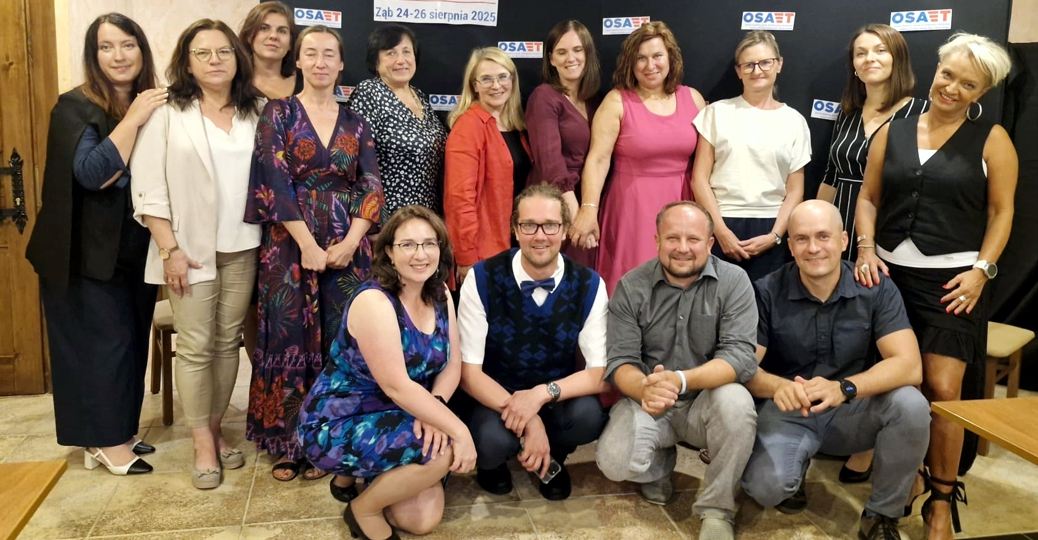
    The Polish Association of Teachers of “English Teaching” is 10 years old
    The Polish Association of Teachers of “English Teaching” is 10 years old
    The joy of learning and teaching English, the multicultural and international nature of its ...
    EQUAL OPPORTUNITIES
     
    This is a system of support for local initiatives aimed at equalizing educational opportunities for comprehensive development of children and youth from small towns and rural areas. The program consists of regular grant competitions as well as training and regional forums enabling the exchange of experiences between NGOs and other entities involved in projects related to education and training of children and youth.
    PROGRAM MANAGER:

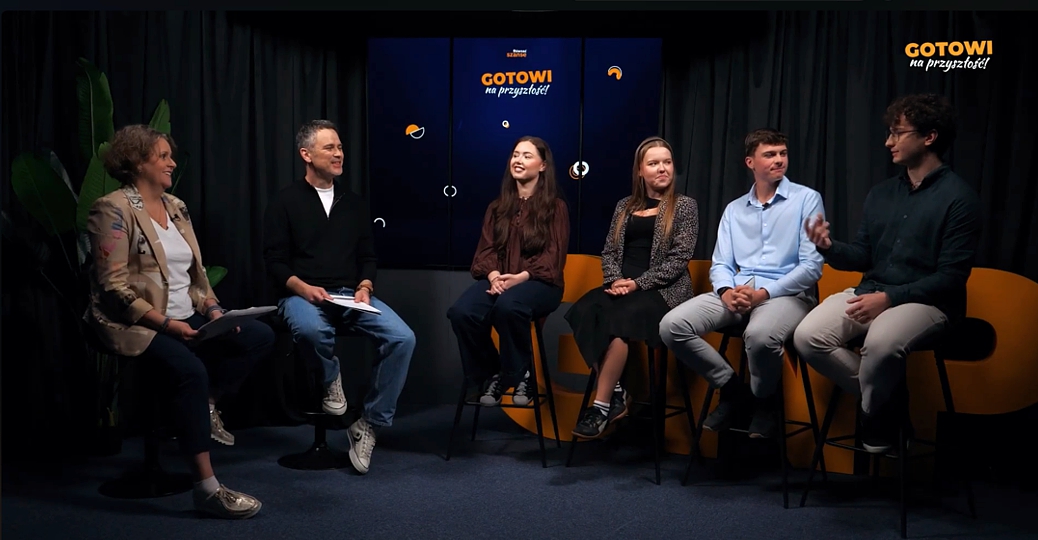
    The Ready for the Future Foundation
    tel. +48 507 612 690
    e-mail: kontakt@gotowinaprzyszlosc.pl

    rownacszanse.pl


    News
     
    Small Grants – for collaborative projects with young people
    Small Grants – for collaborative projects with young people
    Up to PLN 12,000 for a six-month “Equal Opportunities” project aimed at developing the social ...
    LEARNING SCHOOLS (LES)
     
    The purpose of this program is to improve the quality of Polish education using the best foreign models and domestic experiences. Its objective is to improve teaching and assessment methods and comprehensive school development based on cooperation of teaching staff members. Schools develop new solutions and share their best practices. The program includes post-graduate studies for school principals as well as interactive Internet courses for teachers. Particular emphasis is placed on schools in rural ...
    PROGRAM MANAGER:

    The Center for Citizenship Education Foundation
    10 Noakowskiego St. Ap. 1, 00-666 Warsaw
    tel. (48 22) 875 85 40, fax (48 22) 875 85 40 int. 102
    e-mail: ceo@ceo.org.pl

    sus.ceo.org.pl


    News
     
    “LES” in Kyiv: support for school principals during the war
    “LES” in Kyiv: support for school principals during the war
    In April, the “Learning Schools” Program Team conducted a training session in Kyiv for school ...
    PAFF AND UW SCHOOL OF EDUCATION
     
    The objective of the program, implemented jointly with the University of Warsaw (UW), is to prepare candidates for the teaching profession. This one-year postgraduate, full-time study is addressed to graduates of MA/MSc studies in Polish language, math, biology and history. The innovative curriculum was developed in cooperation with Columbia University Teachers College in New York. The PAFF and UW School of Education also conducts training sessions, seminars and e-learning courses for in-service ...
    PROGRAM MANAGER:

    The Foundation for Quality Education
    ul. Banacha 2C, 02-097 Warszawa
    tel. (22) 55 43 790, (22) 55 43 789
    e-mail: kontakt@szkolaedukacji.pl

    szkolaedukacji.pl


    News
     
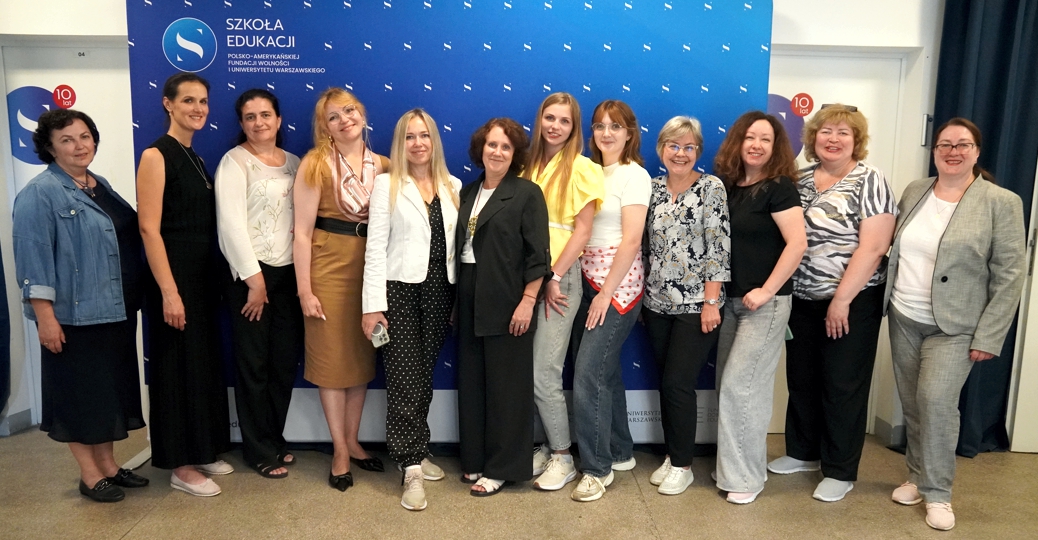
    Study at the PAFF and UW School of Education
    Study at the PAFF and UW School of Education
    Applications are now being accepted for the PAFF and UW School of Education for the 2026/27 ...
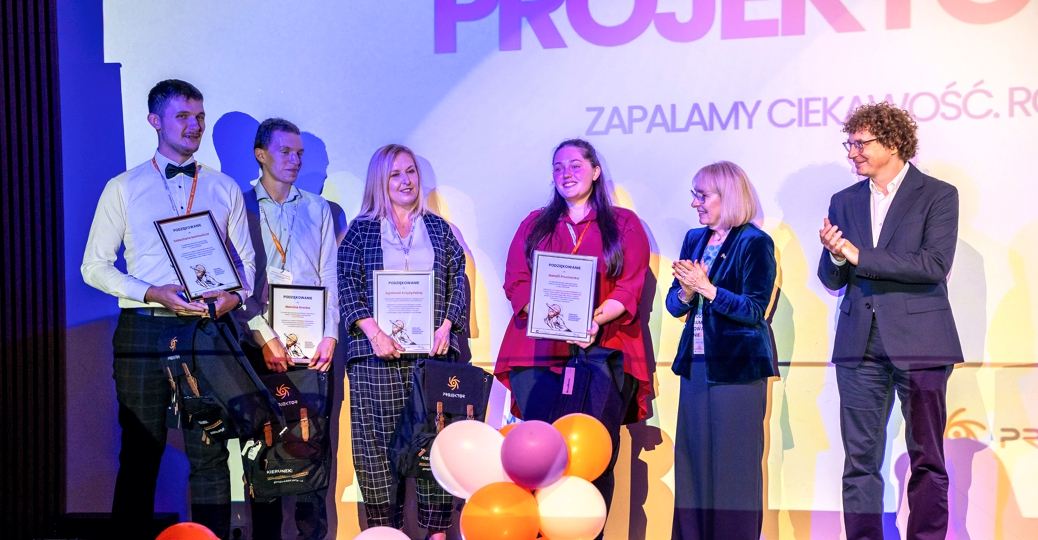
    PROJECTOR - STUDENT VOLUNTEERS
     
    The idea is to tap into the intellectual potential and energy of university students in order to promote equal educational opportunities for children and youth from small localities as well as activating the volunteers’ social involvement. This is achieved by having groups of student-volunteers carry out educational projects at schools and other institutions.
    PROGRAM MANAGER:

    The Educational Enterprise Foundation
    ul. Marii Curie Skłodowskiej 3/2.32
    20-029 Lublin
    e-mail: biuro@projektor.org.pl
    tel: +48 507 703 240

    www.projektor.org.pl


    News
     
    Masters of Assertiveness at the primary school in Jaśliska
    Masters of Assertiveness at the primary school in Jaśliska
    Gabriela and Agnieszka from Lublin – volunteers with “PROJECTOR” – visited the elementary school ...
    BRIDGE SCHOLARSHIPS
     
    A joint undertaking by NGOs, public institutions and firms is addressed to secondary school graduates from rural areas and small towns. The program enables them to receive scholarships for their first year of academic study. It opens the recipients a door to further assistance within the Top Student competition, language scholarships, doctoral scholarships as well as foreign internships.
    PROGRAM MANAGER:

    The Educational Enterprise Foundation
    27/29 Sterlinga St., 90-212 Lodz
    tel. (48 42) 632-59-91, 631-95-58, fax (48 42) 630-27-81
    e-mail: fep@fep.lodz.pl

    www.stypendia-pomostowe.pl

    Polish-American Internship Initiative: www.paii.pl

    The Good Network Foundation (“My Scholarship” and “e-volunteering”)
    ul. Marszałkowska 6/17, 00-590 Warszawa
    tel. (22) 825 70 22
    e-mail: biuro@dobrasiec.org

    www.dobrasiec.org


    News
     
    Bridge Scholarships: an investment in the future of young people
    Bridge Scholarships: an investment in the future of young people
    590 students received scholarships to study under this year's round of the Bridge Scholarships ...
    FOSTERING RESILIENCE IN CHILDREN AND YOUTH
     
    This is the newest undertaking of PAFF and is aimed at enhancing children’s and youth’s mental resilience. The objective of the program is to develop teachers’ and other educators’ competence to deal with young people who are depressed, have low motivation, experience loneliness and lack of self-esteem.
    PROGRAM MANAGER:


    The School with Class Foundation
    Pl. Konstytucji 2/100, 00-552 Warsaw
    tel. (48) 518 287 625
    e-mail: fundacja@szkolazklasa.org.pl

    kursnaodpornosc.pl


    News
     
    Strong and resilient young people at your school
    Strong and resilient young people at your school
    “Fostering Resilience in Children and Youth” is a free one-year training program supporting ...
    THIRD AGE UNIVERSITIES (TAU)
     
    The objective of this program is to unleash the social energy of senior citizens. It is carried out at two levels: the “Seniors in Action” grant competition, under which senior citizens come up with ideas and carry out projects for the benefit of their local communities and intergenerational integration, as well as support for the Third Age Universities by providing them with training opportunities and mini-grants for cyclical activities that promotes TAU students’ volunteering.
    PROGRAM MANAGER:

    The Association of the Creative Initiatives "ę"
    55 Mokotowska St., 00-542 Warszawa
    tel. (4822) 396-55-16
    e-mail: listy@pokoleniawakcji.pl

    pokoleniawakcji.pl


    News
     
    Ambassadors of the “Generations in Action” Club met in Gdańsk
    Ambassadors of the “Generations in Action” Club met in Gdańsk
    Shared values, passions, and activities for the benefit of local communities were the leitmotif ...
    SUPPORT FOR NGOS
     
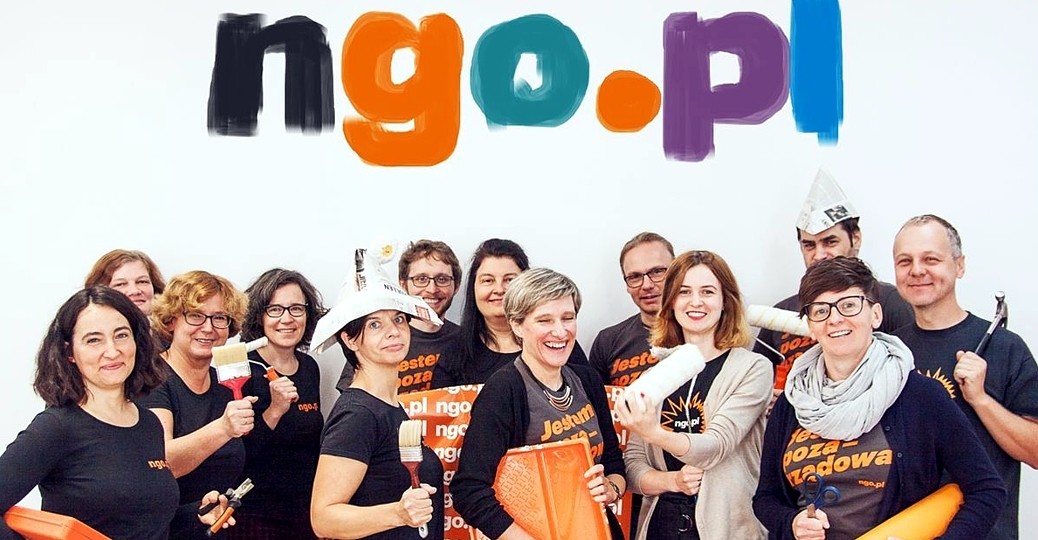
    An information and support system for Polish NGOs and civic initiatives. It includes the Non-Governmental Organizations’ Portal ngo.pl, the free Infoline 801-646-719, a database of organizations and institutions, as well as the “Third Sector” quarterly. The program also offers training, counseling and publications on NGO management (“FIMANGO”, “PROMENGO” and the Kursodrom.pl). It also supports non-governmental organizations with information and advocacy efforts designed to help them effectively obtain ...
    PROGRAM MANAGER:

    "MIS@NGO”: The Klon/Jawor Association
    5 Szpitalna St. Ap. 5, 00-031 Warsaw
    Info-line (48) 801-646-719, fax (48 22) 828-91-29
    e-mail: klon@klon.org.pl
    Non-governmental Organization's Portal: ngo.pl

    "FIMANGO": The Civil Society Development Foundation
    6 Kłopotowskiego St., Apt. 59/60, 03-717 Warsaw
    tel.(48 22) 616-33-16, fax (48 22) 616-32-46,
    e-mail: fimango@frso.pl

    “NGO Training”: The Academy of Civic Organizations Foundation
    ul. Królowej Marysieńki 48
    02-954 Warszawa
    tel. (22) 550 28 10
    e-mail: faoo@faoo.pl
    www.kursodrom.pl


    News
     
    New image of ngo.pl portal
    New image of ngo.pl portal
    Clear and understandable, intuitively navigated, with content presented in attractive form, ...
    ACT LOCALLY
     
    Grant competitions organized by the network of Act Locally Centers (ALC) lend support to many different initiatives of non-governmental organizations and informal groups that activate communities of villages and small towns, serving their developmental aspirations. The activities involve cooperation of various partners and all respond to the specific needs of their local communities. As a result, they contribute to the building of social capital and the overall improvement of the quality of life. ...
    PROGRAM MANAGER:

    The Academy for the Development of Philanthropy in Poland
    6 Marszałkowska St. Ap. 6, 00-590 Warsaw
    tel. (48 22) 622-01-22, fax (48 22) 622-02-11
    e-mail: arfp@filantropia.org.pl

    dzialajlokalnie.pl


    News
     
    Applications are now open for the “Act Locally” 2026 program
    Applications are now open for the “Act Locally” 2026 program
    Until June 2026, local non-governmental organizations and informal groups can submit applications ...
    SECTOR 3.0
     
    The aim is to broaden the knowledge and skills of non-governmental organizations’ employees and activists in the practical use of modern information and communication technologies (ICT) so as to expand the outreach and effectiveness of their efforts. The program has several components: informational (website, VOD, and blog), promotional (Sector 3.0 Festivals), educational (e-learning), and financial (Sector 3.0 Fund).
    PROGRAM MANAGER:

    The Information Society Development Foundation
    ul. Kopernika 17, 00-359 Warszawa
    tel.: (48 22) 123 90 20
    Contact person: Dawid Szarański
    mobile: +48 530 69 11 99

    sektor3-0.pl


    News
     
    Artificial Intelligence doesn’t care, but people do
    Artificial Intelligence doesn’t care, but people do
    Two days, over 1,000 participants, 50 speakers from Poland and the U.S., five hours of live ...
    PAFF LEADERS
     
    This undertaking is primarily addressed to active participants of various PAFF programs, supporting development of the local leaders’ skills and qualifications necessary to work effectively for the benefit of their communities. The program uses the tutoring method; placing a tutor with a leader for a protracted length of time. Program alumni are encouraged to participate in workshops, study visits to Poland and other countries, and meetings with public figures.
    PROGRAM MANAGER:
    News
     
    The power of relationships: PAFF Leaders on youth empowerment
    The power of relationships: PAFF Leaders on youth empowerment
    How can we build a space that not only supports but also genuinely develops young people's ...
    PRO PUBLICO BONO
     
    Under the program, PAFF currently supports the Bolesław Wierzbiański Award for local newspapers, offers training for local media journalists under the “Media Forum. Local Development” project, and organizes the annual Civic Congress in Warsaw.
    PROGRAM MANAGER:

    The Local Press Association (The Bolesław Wierzbiański Award)

    The Media Forum Foundation (“Media Forum. Local Development”)

    The Institute for Market Economics (Civic Congress)

    The Pro Publico Bono Competition Foundation (2000-2014)


    News
     
    Journalism as a passion and the art of breaking down walls
    Journalism as a passion and the art of breaking down walls
    The meaning and mission of the journalism profession were discussed by participants at a meeting ...
    LIBRARY DEVELOPMENT PROGRAM
     
    From 2009 to 2015, thanks to the partnership of PAFF with the Bill and Melinda Gates Foundation, 3,808 public libraries in municipalities and rural communes with population of up to 20,000 inhabitants had been supported. They have become modern multifunctional centers which provide access to information, culture and education. From 2021 to 2023, the program reached over 400 new libraries. One of our methods for consolidating program outcomes is to increase the digital competencies of librarians and ...
    PROGRAM MANAGER:

    The Information Society Development Foundation
    ul. Kopernika 17, 00-359 Warszawa
    tel.: (48 22) 123 90 20

    biblioteki.org


    News
     
    “Feel Safe”.  The role of libraries in times of uncertainty
    “Feel Safe”. The role of libraries in times of uncertainty
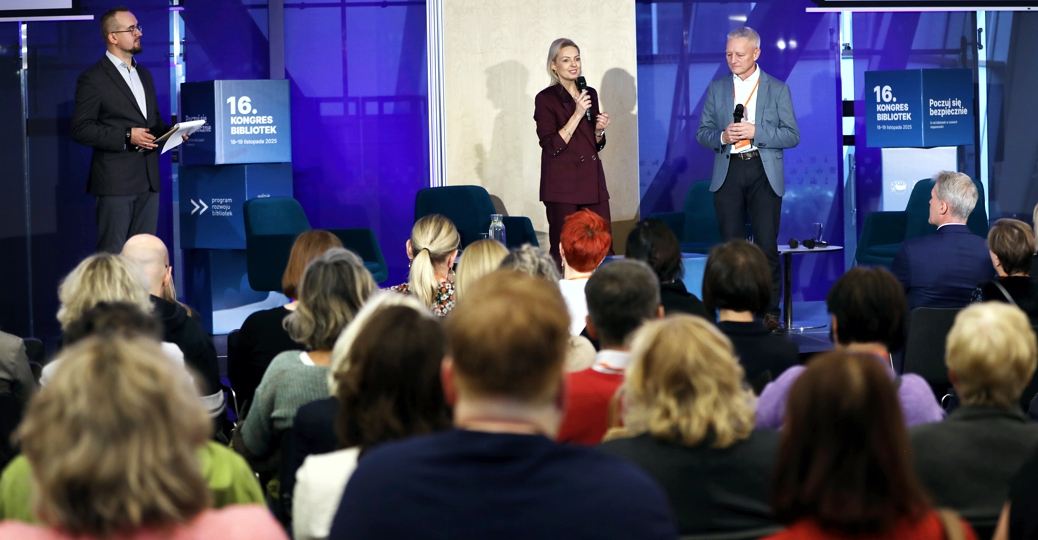
    How can libraries build a sense of security in local communities? This was the theme of the ...
    PAFF LOCAL PARTNERSHIPS
     
    The purpose of the program is to initiate and develop cooperation among beneficiaries of various PAFF programs who establish Local Partnerships and involve other local organizations and institutions, as well as entrepreneurs, self-government bodies, and media in the implementing partnership projects responding to diagnosed local community needs. Their activities, using the method of animating local communities worked out in the program, contribute to the consolidation of social capital.
    PROGRAM MANAGER:

    The Academy for the Development of Philanthropy in Poland
    ul. Marszałkowska 6/6, 00-590 Warszawa
    tel. (22) 622 01 22

    www.lokalnepartnerstwa.org.pl


    News
     
    Local partnerships for social resilience
    Local partnerships for social resilience
    Discussions on social resilience, partnership-based cooperation, and relationships built on ...
    GREEN LEADER
     
    The program supports local leaders who want to gain knowledge and competencies in conducting actions aimed at protecting the environment in their local communities and dealing with climate change, as well as effectively obtaining EU funds for implementation of their initiatives.
    PROGRAM MANAGER:

    The Sendzimir Foundation
    46a Mokotowska St., Ap. 25
    00-543 Warszawa

    zielonylider.org

    News
     
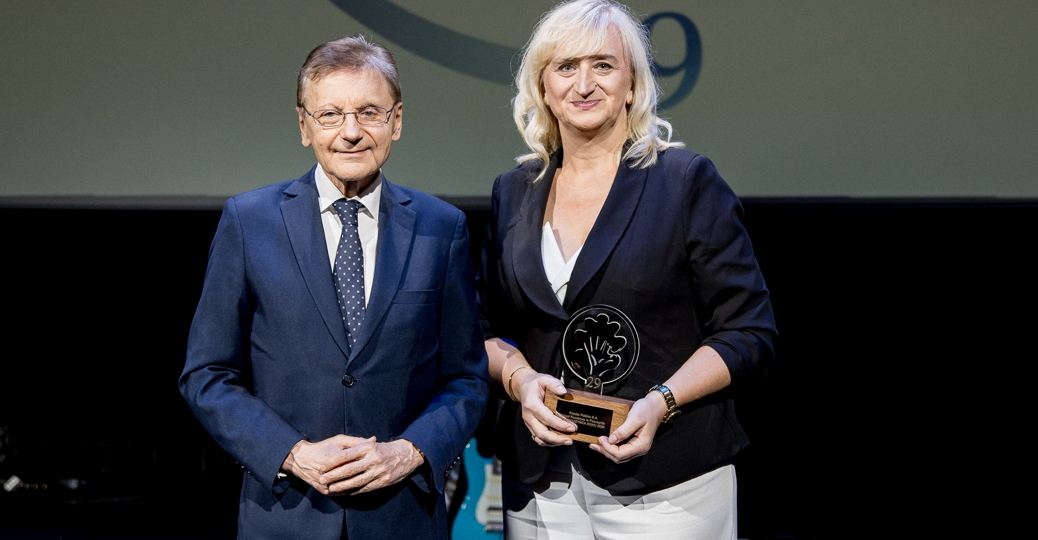
    25th round of the Competition for the Benefactor of the Year
    25th round of the Competition for the Benefactor of the Year
    “Do good all year round” – that slogan has accompanied socially responsible companies for the ...
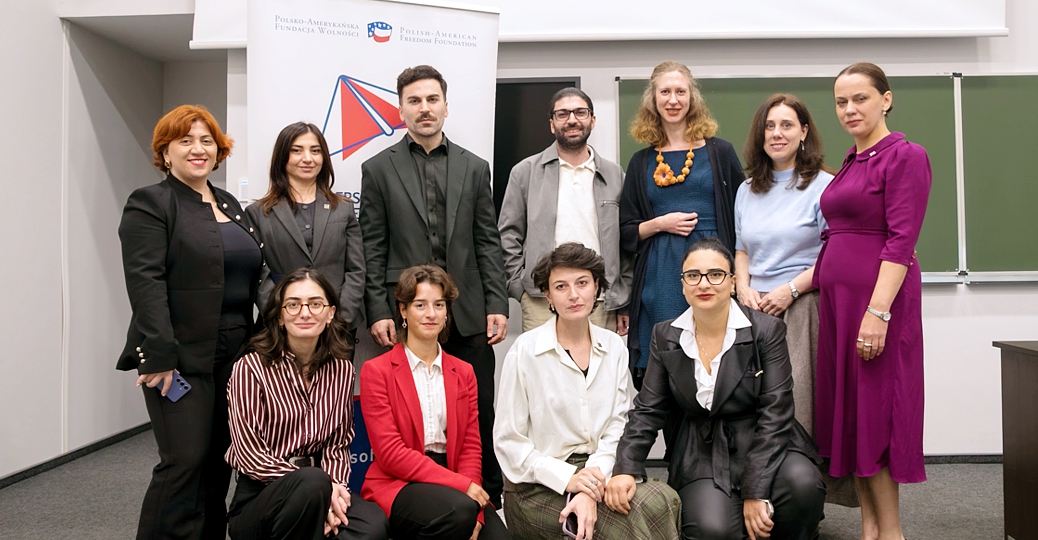
    LANE KIRKLAND SCHOLARSHIP PROGRAM
     
    A scholarship program for young leaders from Eastern Europe as well as the South Caucasus and Central Asia. Through the two-semester post-graduate studies at Polish universities and professional internships, scholars have an opportunity to learn about Poland’s transformation experience and integration with the European Union. The offer includes one-semester courses for academics.
    PROGRAM MANAGER:

    The Leaders of Change Foundation
    Al. Jerozolimskie 133 lok. 56
    02-304 Warszawa
    Program Director: Urszula Sobiecka
    tel. (48) 504 103 904

    kirkland.edu.pl


    News
     
    Kirklanders in Lublin: knowledge, dialogue, integration
    Kirklanders in Lublin: knowledge, dialogue, integration
    In March, Lublin hosted the scholarship holders of the Kirkland Program. The three-day conference ...
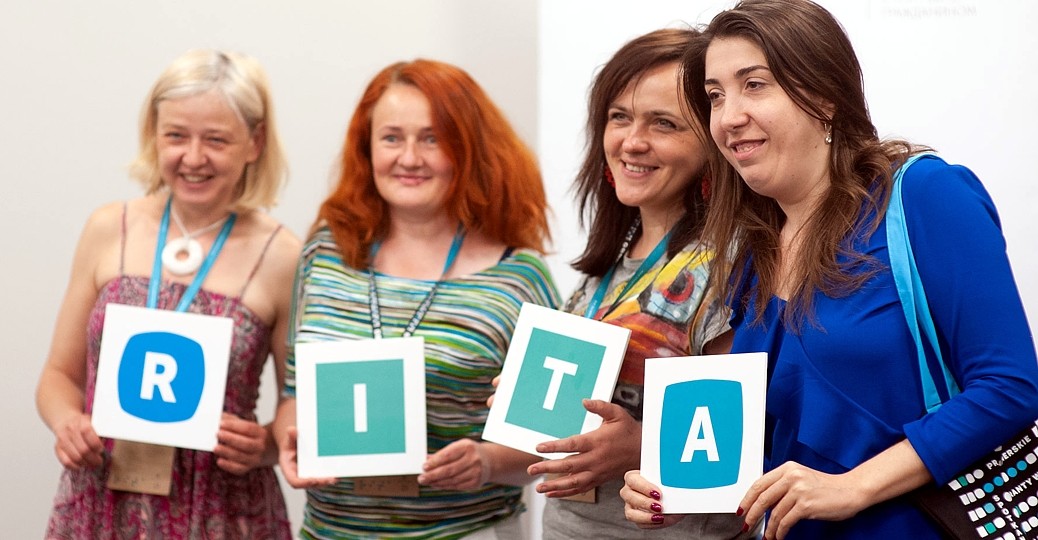
    REGION IN TRANSITION (RITA)
     
    The program supports initiatives of Polish non-governmental organizations aimed at sharing Poland’s experience in various aspects of political transformation and integration with the EU. “RITA” is implemented in cooperation with partners in Eastern Europe, the South Caucasus, and Central Asia. The program offers grants, training opportunities and expert support, as well as assistance in establishing cooperation with foreign partners.
    PROGRAM MANAGER:

    The Education for Democracy Foundation
    9/11 Nowolipie St., 00-150 Warsaw
    e-mail: rita@fed.org.pl

    programrita.org


    News
     
    Be active in the East! Partnership projects
    Be active in the East! Partnership projects
    The Education for Democracy Foundation and the Polish-American Foundation invite Polish non-governmental ...
    STUDY TOURS TO POLAND (STP)
     
    These study visits, implemented since 2004, are to show the realities of Poland and the EU to active citizens of East European, Southern Caucasus and Central Asia countries. The participants are university student leaders from Ukraine, Belarus, Russia and Moldova as well as professionals from countries of the Region. Under the program, the Foundation supports the Warsaw Euro-Atlantic Summer Academy (WEASA) addressed to experts coming from Eastern Partnership countries.
    PROGRAM MANAGER:

    The Leaders of Change Foundation
    Al. Jerozolimskie 133 lok. 56
    02-304 Warszawa
    e-mail: stp@studytours.pl

    studytours.pl


    News
     
    Ukrainian communities in Polish communes: lessons and inspiration
    Ukrainian communities in Polish communes: lessons and inspiration
    A study visit by representatives of eight Ukrainian communities, organized as part of the “Study ...
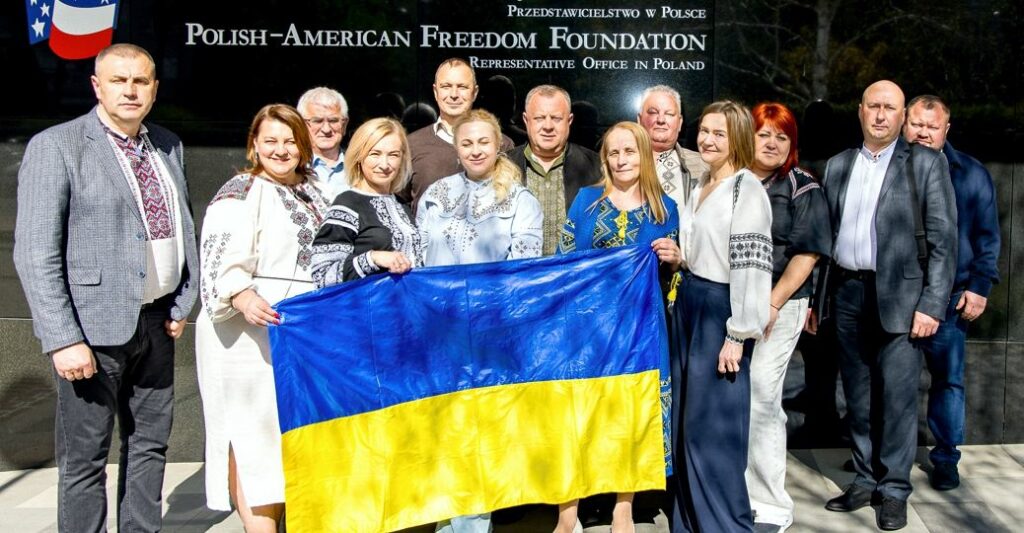
    SUPPORT FOR UKRAINE
     
    A special program launched by the Polish-American Freedom Foundation in response to the war in Ukraine is addressed to Polish NGOs helping the civilian population in Ukraine as well as war refugees coming to Poland.
    PROGRAM MANAGER:

    The Education for Democracy Foundation
    ul. Nowolipie 9/11, 00-150 Warszawa
    e-mail: ukraina@fed.org.pl

    Contacts persons:
    Sylwia Gajownik, the Education for Democracy Foundation, Tel. +48 535 854 424
    Agnieszka Świeczka, the Education for Democracy Foundation, Tel. +48 605 787 757

    fed.org.pl/wspieramy-ukraine


    News
     
    Anti-Ukrainian propaganda on the Internet – IMM and Demagog report
    Anti-Ukrainian propaganda on the Internet – IMM and Demagog report
    The Media Monitoring Institute (IMM) and the Demagog Association have published their latest ...
     
    >
    • Artificial Intelligence doesn’t care, but people do
    • Artificial Intelligence doesn’t care, but people do
    • Artificial Intelligence doesn’t care, but people do
    • Artificial Intelligence doesn’t care, but people do
    • Artificial Intelligence doesn’t care, but people do
    <
    >

     
    SECTOR 3.0
    Artificial Intelligence doesn’t care, but people do
    Related news
    The winners of the Sector 3.0 Fund have been announced
    The winners of the Sector 3.0 Fund have been ...
    The ISKIERKA Foundation wins the Sector 3.0 Award
    The ISKIERKA Foundation wins the Sector 3.0 ...
    Innovative NGOs, get ready! Sector 3.0 Award
    Innovative NGOs, get ready! Sector 3.0 Award
    NGOs in the age of algorithms: a guide to AI
    NGOs in the age of algorithms: a guide to ...
    SECTOR 3.0
    Artificial Intelligence doesn’t care, but people do

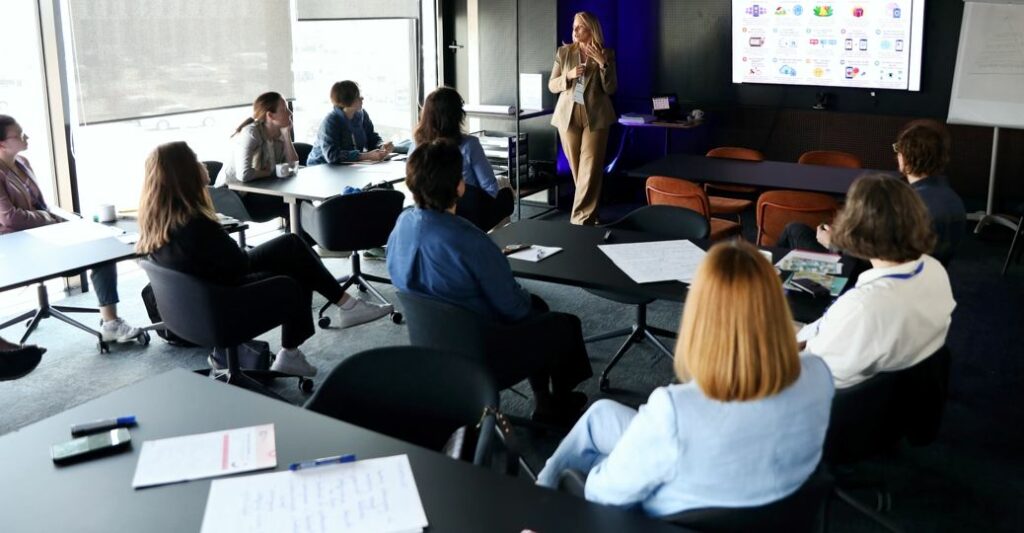
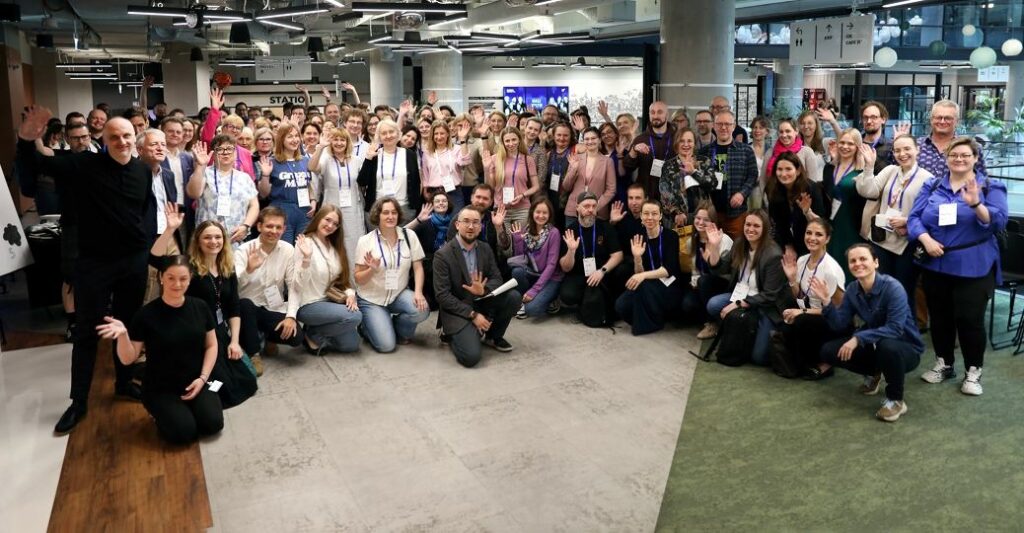
    Two days, over 1,000 participants, 50 speakers from Poland and the U.S., five hours of live streaming, and eight in-person workshops—that’s how the 16th round of the Sector 3.0 Festival, whose goal is to present trends from the world of new technologies and demonstrate how to implement digital solutions in everyday social activities, came to a close. This time, the focus was on questions regarding the real agency of individuals and teams, as well as supporting the development of natural leaders and strengthening an organization’s internal potential. 

    The slogan “You Have Impact” sounds like an encouragement, but on the festival stage it was more of a question and the starting point for multifaceted discussions. Who really has impact today? Is it people using technology, or technology, which increasingly shapes human behavior? Can social organizations keep pace with the development of artificial intelligence, given that the landscape of tools changes every week? And what does “impact” actually mean if an algorithm decides who sees your message?

    The answers offered over these two days had one common thread. Impact doesn’t start with technology, but with people, relationships, and the question “why?” On stages, in workshop rooms, and in the podcast studio, perspectives that rarely sit side by side came together—from futurology to leadership psychology to the practice of the social sector. Experts from Polish social organizations spoke, as well as representatives from the Stanford Institute for Human-Centered AI and the University of North Carolina Charlotte, Microsoft, Ringier Axel Springer Polska, Orange, Campus AI, founders of digital cooperatives, and journalists.

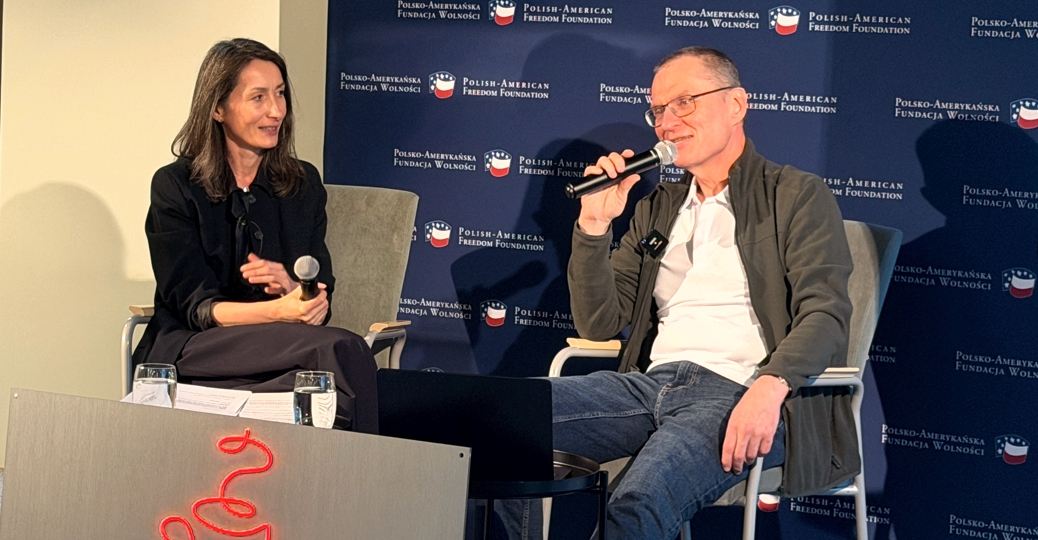
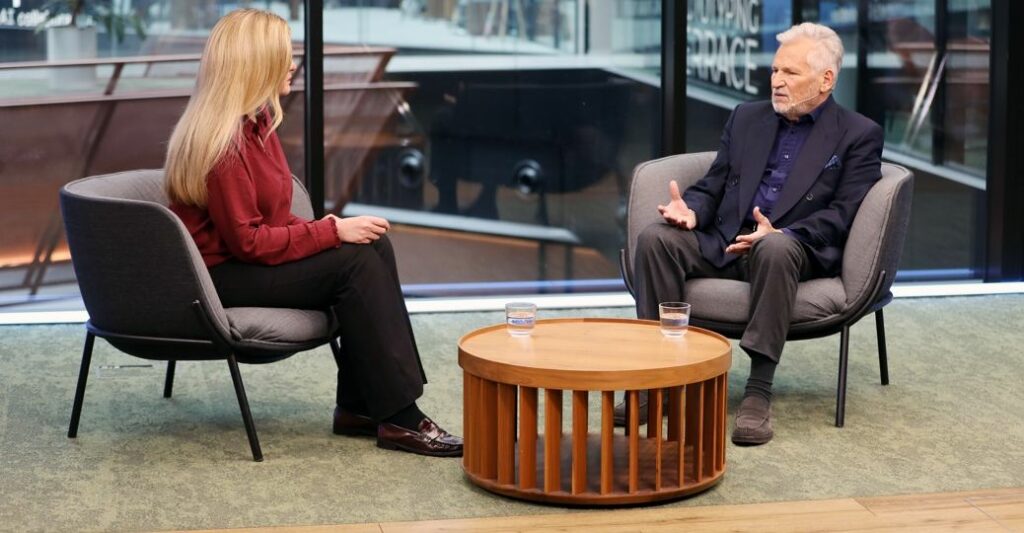
    The special guest at the Festival was President Aleksander Kwaśniewski, who, in a conversation with Magdalena Rigamonti from Onet, spoke about the third sector as a hope that the democratic world won’t go completely mad.

    From FOMO to “What for?” How to Regain Peace of Mind in a Fast-Paced World of Technology

    Prof. Tomasz Trzciński of the Warsaw University of Technology and the IDEAS Institute has been working on artificial intelligence for 17 years. He has seen many waves that rose rapidly and then subsided quietly. His advice on FOMO?  “Most things that have a real impact on our lives take time to mature. The first question in the morning should be: ‘What for?’ Technological innovations shouldn’t change the course of our organizations.”

    Prof. Trzciński also gave organizations some very vivid advice on using data to make the right decisions. “Which provides more information—the sentence ‘the sun is shining in Barcelona’ or ‘it’s snowing in Barcelona’? Obviously snow, because that’s a rare occurrence. It’s the same with data in an organization—real information comes from what deviates from the norm, not the standard reading,” said Trzciński.

    Dr. Ewa Woydyłło responded to FOMO in a similarly calm tone, reminding us that our advantage lies in reflection—the ability to pause and examine what a given technology is doing to us. “We have frontal and temporal lobes, and that is the part that sets us apart from other creatures. Therefore, it would be foolish not to use it. Whatever captivates you, check how it affects you—not the world, not the technology, but what happens to you under its influence,” explained the psychologist and the Writer of the Year.

    You have impact, even without a reach— or how to escape algorithms and regain agency online

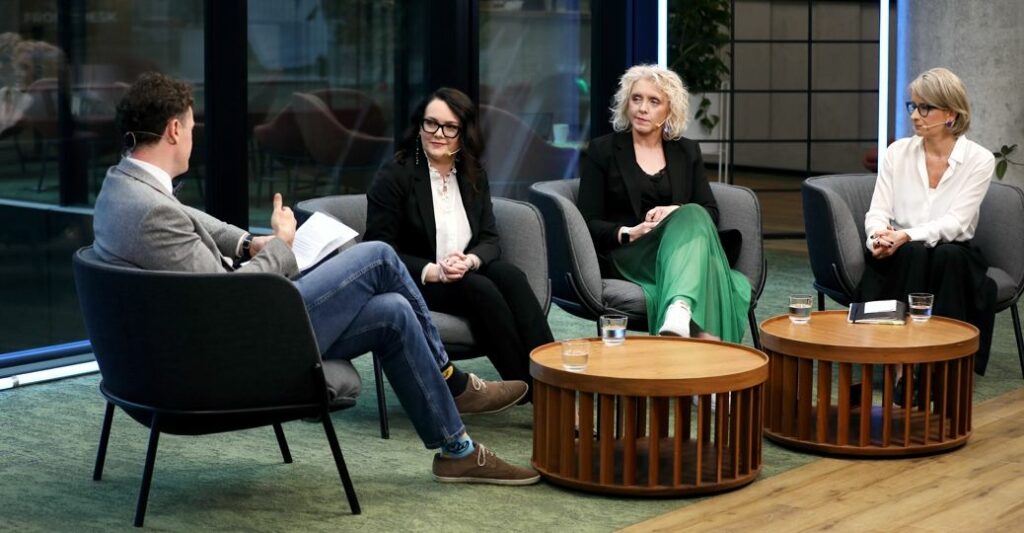
    Agnieszka Filipiak of Forbes Woman, Małgorzata Kowalewska of the Orange Foundation, and Prof. Renata Włoch of the University of Warsaw spoke with Kamil Śliwowski about how much agency we still have in the digital space. The answer turned out to be less obvious than one might think.

     The starting point? Digital literacy isn’t enough. Prof. Włoch pointed out that the concept itself is abstract for many people—people roll their eyes when they hear it. Instead of talking about skills, it’s better to discuss practices: how I use technology, what for, and with what results. Małgorzata Kowalewska added hard data from the EU Kids Online study—60% of young people scored low on a digital literacy test. One in eight people did not answer any question correctly. One-third of teenagers believe that the first result in a search engine is the best source of information.

    Agnieszka Filipiak spoke about how journalists are fighting a new battle they’ve never faced before. Google pushes AI-generated answers, people aren’t clicking on articles, and verified information loses out to memes and fake news. Even experienced media professionals fall for it. Agnieszka Filipiak appealed for something simple: a moment’s pause before sharing: “Having impact” doesn’t mean you have a large reach. You can have impact without thousands of followers. A newsletter is an escape from algorithms—the content goes straight to the inbox, without an intermediary.”

    The advice for social organizations from this panel is: you don’t have to beat the algorithm. You can bypass it. Build a small, trustworthy community, and count to ten before you share anything.

    AI in Organizations as a leadership challenge

    During the panel, Iwona Szylar, head of Microsoft’s Polish division, Dr. Barbara Zych, founder of the Human+ Institute, and Agnieszka Szelągowska, vice president of the School of Leadership, discussed trust, communication, and technology in teamwork. The panelists emphasized that the starting point should be identifying the organization’s real needs, its mission, and team challenges, and only then selecting the tools. “If we’re talking about using AI to solve business problems, we need to involve various leaders from the organization. The point is to first identify these problems and then consider which of them could have the greatest impact on the business,” said Iwona Szylar, CEO of Microsoft Poland.

    Key factors here include the role of leaders, change management, engaging employees at varying levels of readiness, and a responsible approach to people’s emotions, fears, and competencies. The common conclusion of the discussion led by Bartłomiej Polakowski was that technology can support an organization, but it does not replace relationships, the purpose of action, and mindful leadership.

    Impact that liberates. How to turn immediate aid into real agency? 

    “In this chaotic world, you simply have to do something concrete,” argued Marcin Meller, a journalist, reporter, and author. The starting point was the question of what prompted this longtime columnist to get involved in a project to build a vocational high school in the war-torn, devastated Tigray region of northern Ethiopia.

    The conversation quickly moved beyond the scope of Ethiopia itself and touched on the ethics of aid and the wise use of one’s own reach. Drawing on his reporting experiences in Africa from the 1990s, Meller took a critical view of past models of Western philanthropy, recalling absurd, ill-suited shipments of “refrigerators without electricity” or high-heeled shoes. He emphasized that aid must be pragmatic, which is why the school he is building in the countryside is designed to teach a specific trade and provide young people with local employment, following the principle of teaching a man to fish rather than giving him a fish. The common thread running through the entire discussion was the conviction that each of us has the potential to change reality. As the guest summed it up, the most important thing is simply to “live life” and not be afraid to act in accordance with what one believes is right.

    Who really builds impact?

    Non-governmental organizations are among the most important elements of the social fabric. Their leaders have a huge impact on reality. A great summary of the Festival on this topic came from President Aleksander Kwaśniewski in a conversation with Magdalena Rigamonti of Onet.

    “Civil society, in the chaos that prevails in the world today, seems to me to be a factor that gives hope that things won’t go completely off the rails,” said President Aleksander Kwaśniewski, who compared his role after his terms in office ended to that of an activist and a one-person NGO.

    Aleksander Kwaśniewski emphasized that people involved in non-governmental organizations are the “great hope,” because as long as people are active, willing to think and listen, there is a chance for knowledge, reflection, and human relationships. And these, in turn, offer a chance to hold power and algorithmic platforms in check.

    One of the most powerful statements of the conversation was the president’s summary: “As long as civil society exists, democracy will not die.”

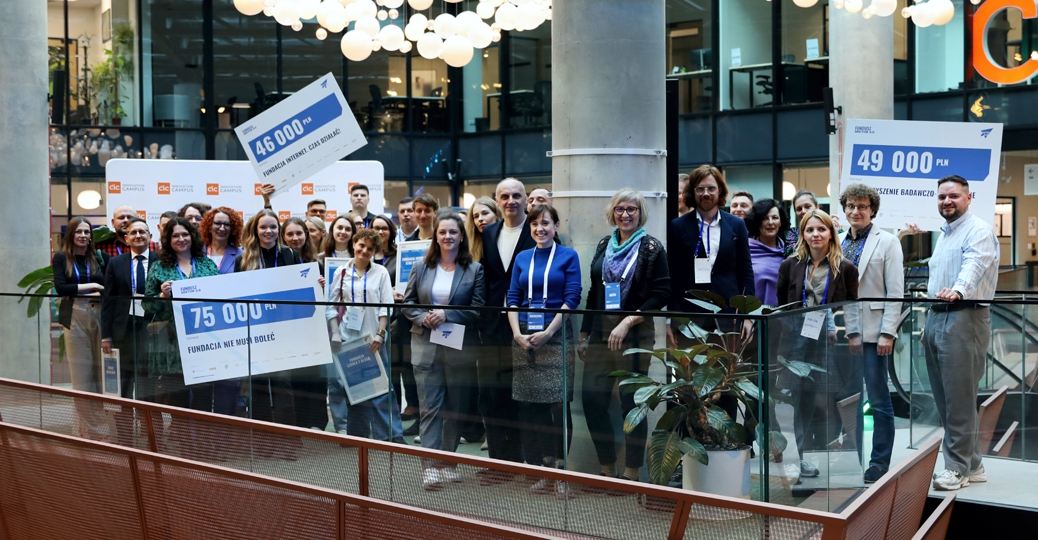
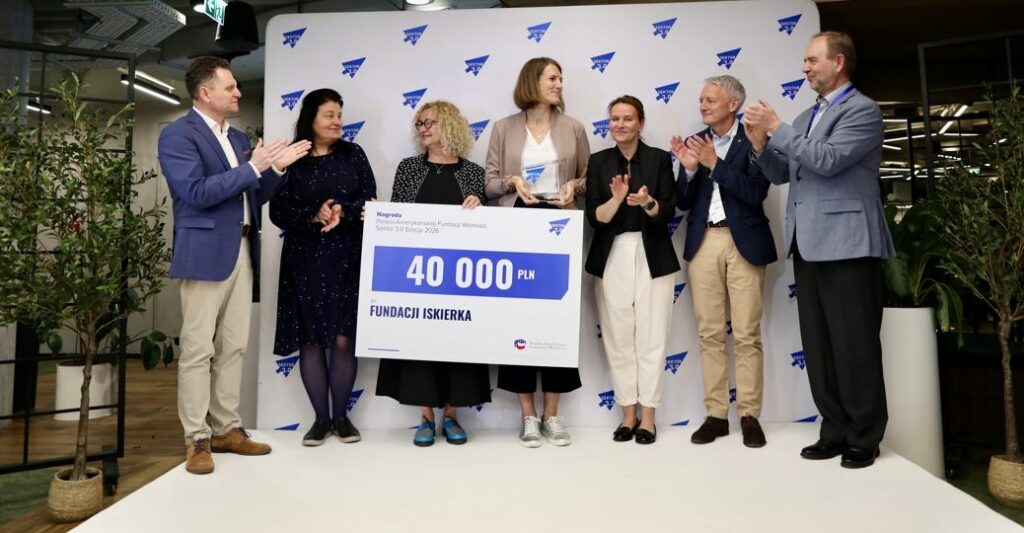
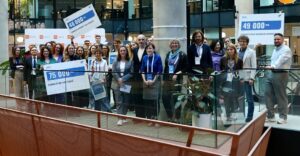
    PAFF Sector 3.0 Award for the Iskierka Foundation

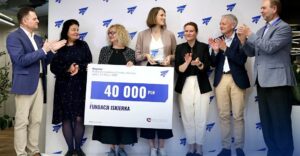
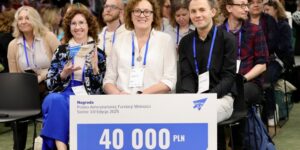
    The Sector 3.0 Festival is also an occasion for presenting the Polish-American Freedom Foundation’s annual Sector 3.0 Award. This year, the jury recognized an organization that combines digital transformation with direct support for its beneficiaries. The ISKIERKA Foundation—for that is the organization in question—has for years been boldly testing new solutions in its work with children undergoing cancer treatment. It began with Kinect console and VR, and today uses artificial intelligence to create personalized therapeutic books for young patients. The Foundation received PLN 40,000 for its statutory activities.

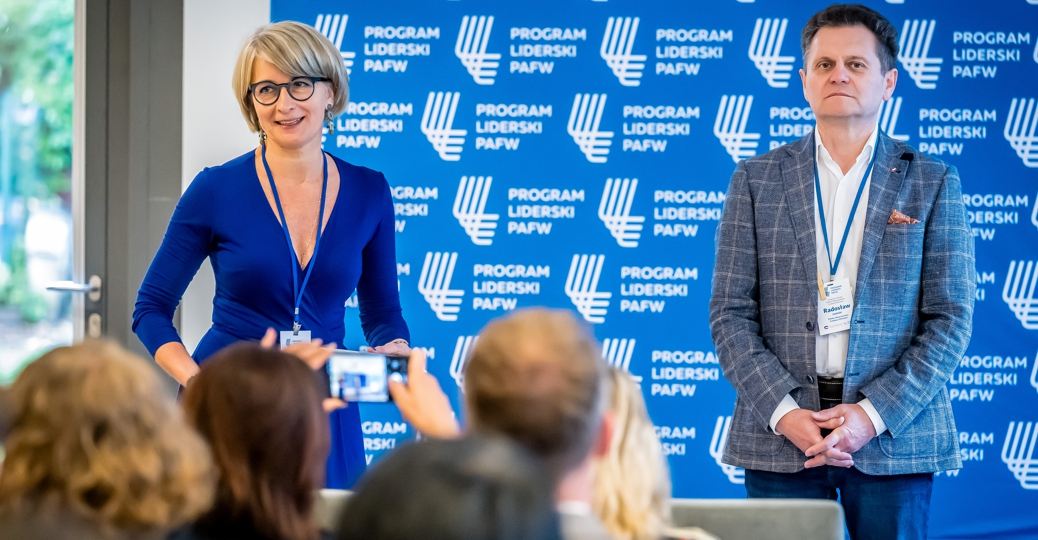
    “The Competition Committee for the 2026 round faced an exceptionally difficult challenge, because for the first time in the competition’s history, the number of very good, high-quality submissions was so large that selecting the winner required careful analysis and extensive discussion. This is also a clear signal that something has changed in the social sector, that information and communication technologies and artificial intelligence are here, are with us, and we are truly using them. This is a major change,” said Radosław Jasiński of Polish-American Freedom Foundation, explaining the jury’s decision. 

    Representatives of the Foundation did not hide their emotion. Małgorzata Bereza-Stanisławska, a psychologist at the ISKIERKA Foundation, spoke about the “Health Shield” initiative—AI-personalized therapeutic books for children—saying: “At the Foundation, we’ve brought together a wealth of resources: psychological expertise, new technologies, some financial backing, creativity, and the openness of our entire team. The result is something truly amazing. Today, I have the immense honor of witnessing the moment when a child receives a book about themselves, smiles, and says: ‘Yes, that’s me.’ It’s also the moment when a parent is moved. When tears flow. When the narrative about the illness changes—about what it is, about the child living with it,” emphasizes a psychologist of the ISKIERKA Foundation.

    “The Iskierka Foundation stands out for its consistency in developing and implementing technological solutions, as well as its courage in experimenting and quickly translating innovations into tangible support. In an area where time and the quality of care are of critical importance—namely, supporting children undergoing cancer treatment—such an approach is of exceptional value,” stated jury member Anna Kowalik-Mizgalska of the Orange Foundation in the Competition Committee’s rationale.

    The Sector 3.0 Festival is organized by the Information Society Development Foundation as part of the “Sector 3.0” program of Polish-American Freedom Foundation.

    Organizers: Information Society Development Foundation, Polish-American Freedom Foundation

    Honorary Patronage: Kozminski University, Ministry of Digital Affairs, Mayor of Warsaw

    Main Media Patronage: Onet.pl

    Technology Partners: Microsoft, Orange

    Supporting Partners: CampusAI, DELab UW, Dbam o mój zasięg Foundation, CIC Warsaw Innovation Campus, Z. Pełczyński School of Leadership, Venture Café Warsaw Foundation

    Media Patronage: Android.com.pl, ngo.pl

    by Wiktoria Nycz, the “Sector 3.0” program, photos: Karolina Szczepocka
    PROGRAM MANAGER:

    The Information Society Development Foundation
    ul. Kopernika 17, 00-359 Warszawa
    tel.: (48 22) 123 90 20
    Contact person: Dawid Szarański
    mobile: +48 530 69 11 99

    sektor3-0.pl


    • Main page
    • About us
    • Gallery
    • How we operate
    • Contact
    • Personal Data Processing
    • Calendar
    • Gallery
    • Contact
    • Personal Data Processing
    designed by ⓒ 2026
    igrekkwadrat - integrator systemów teleinformatycznych
    go to page top