



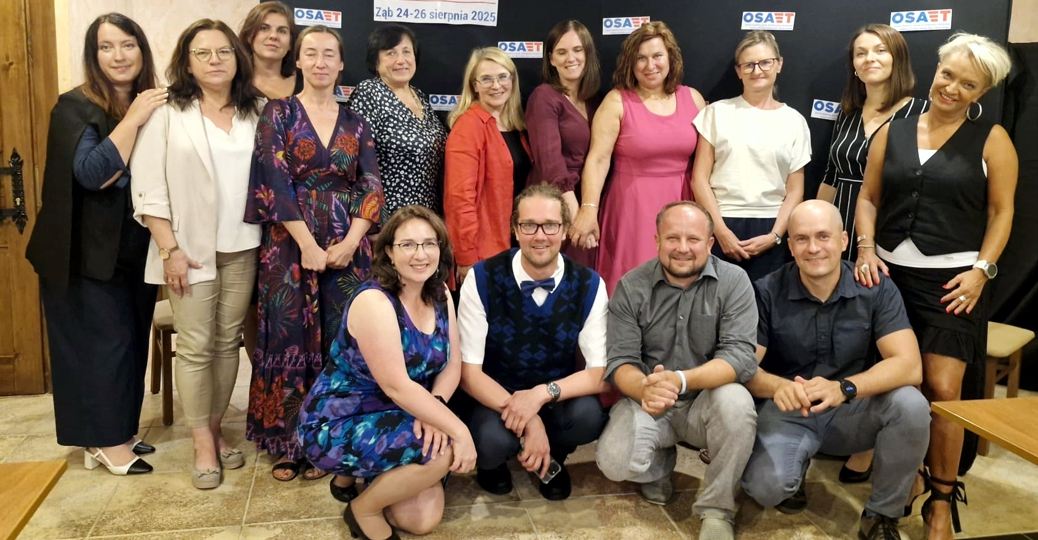


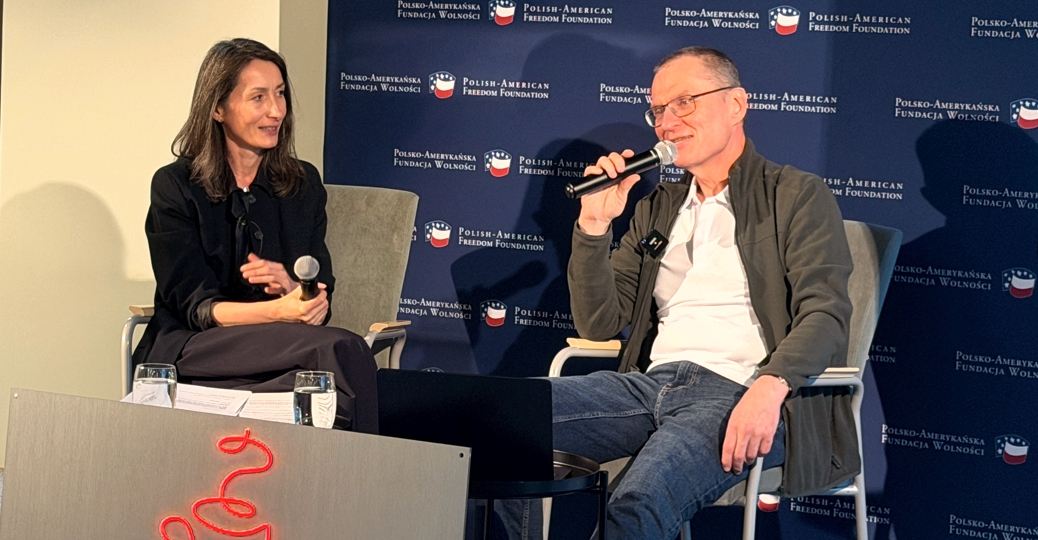
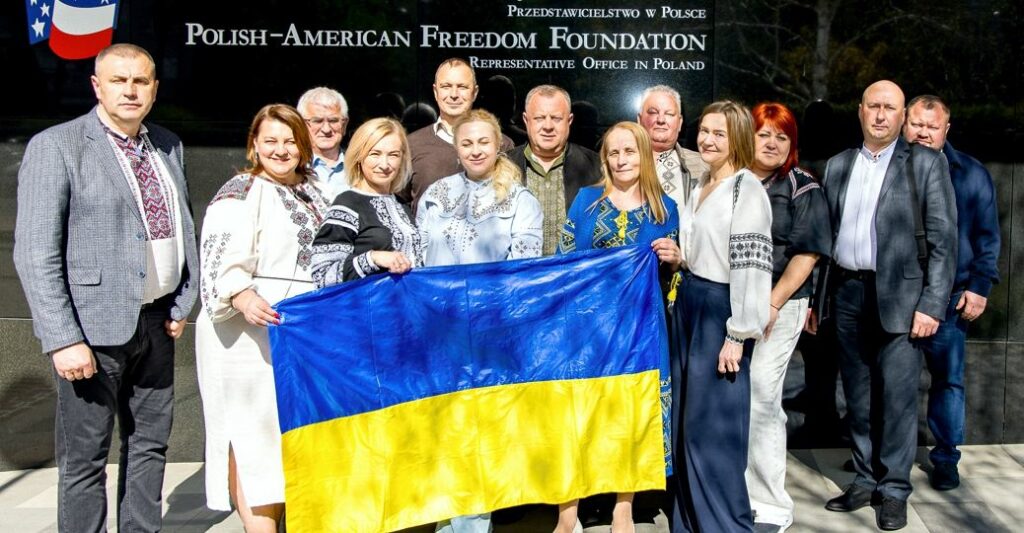
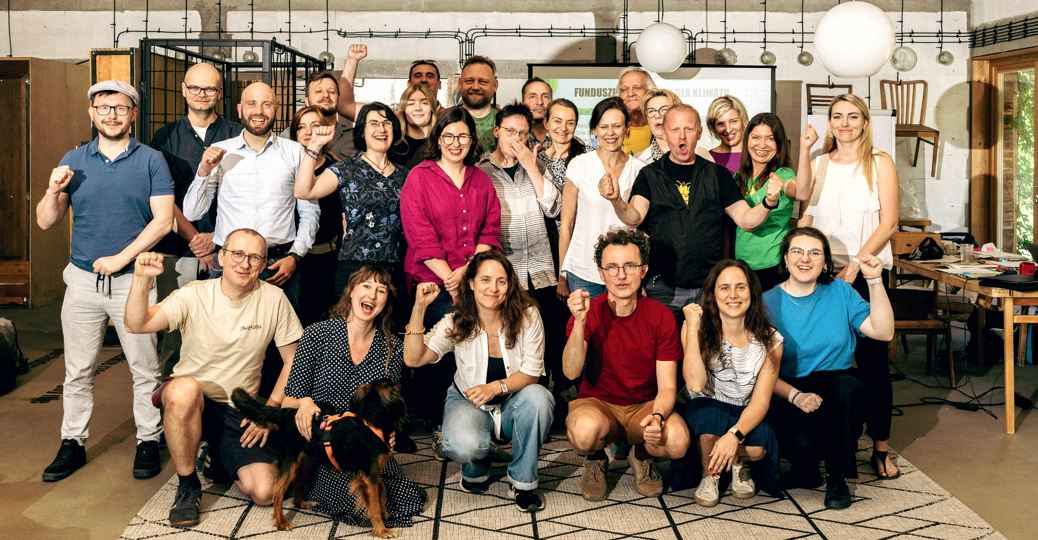
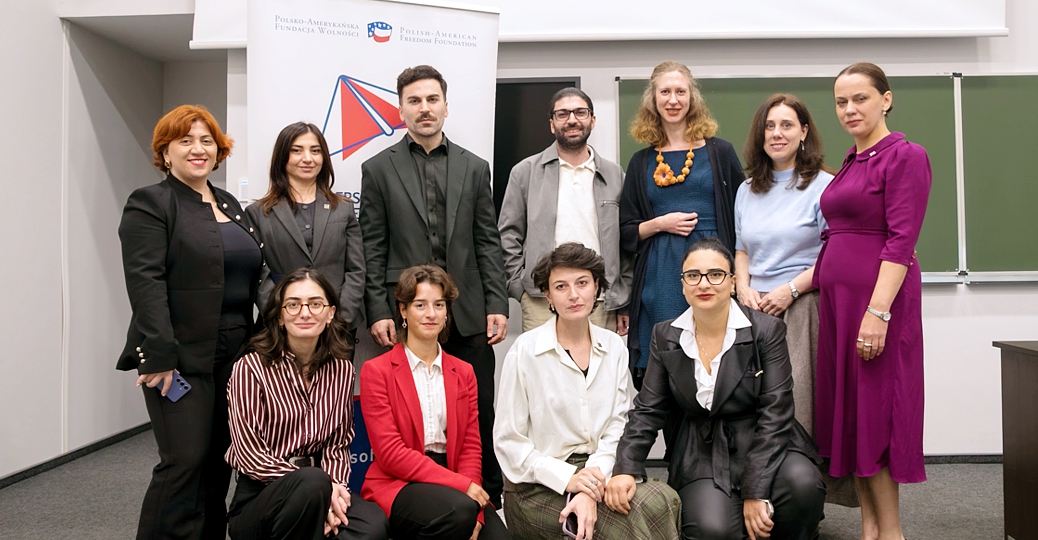

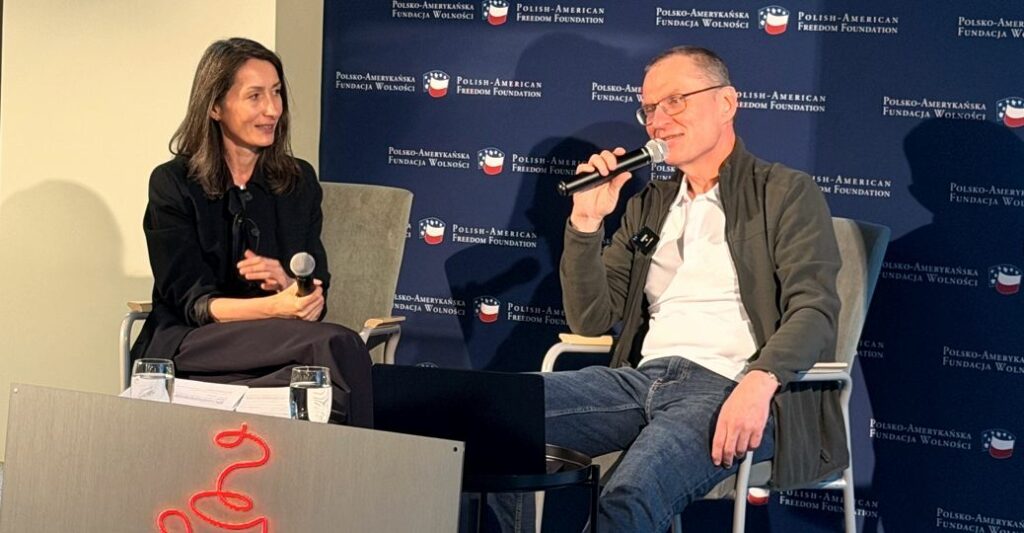
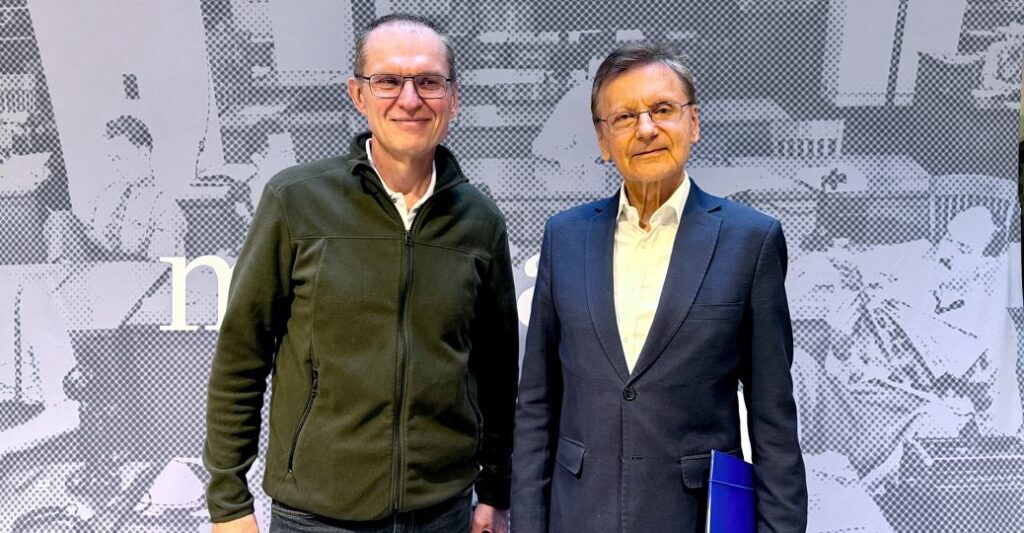
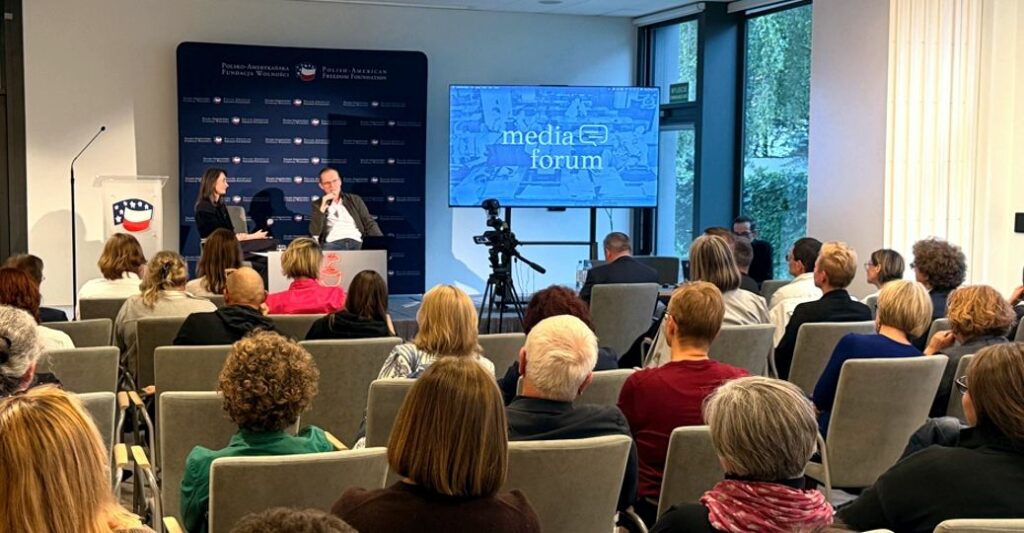
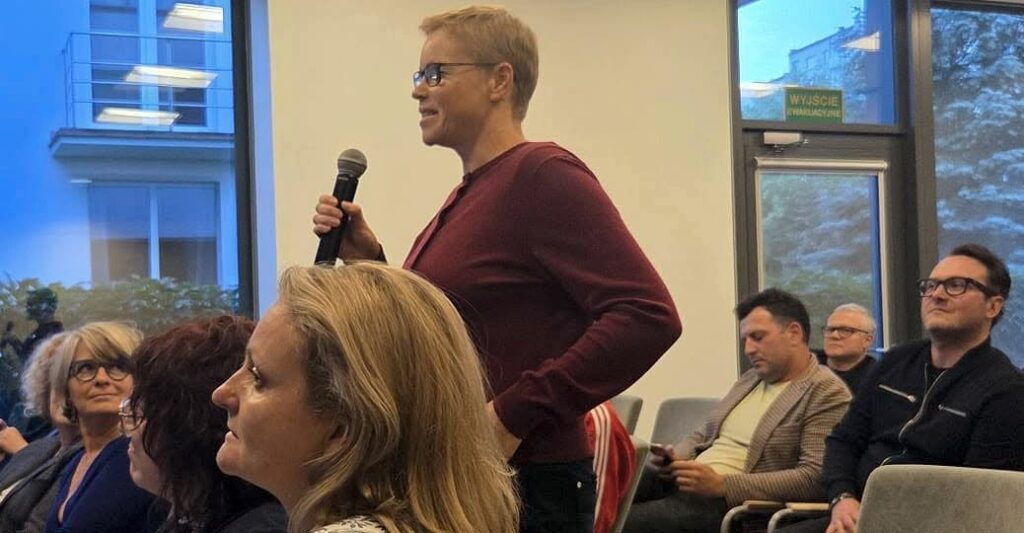
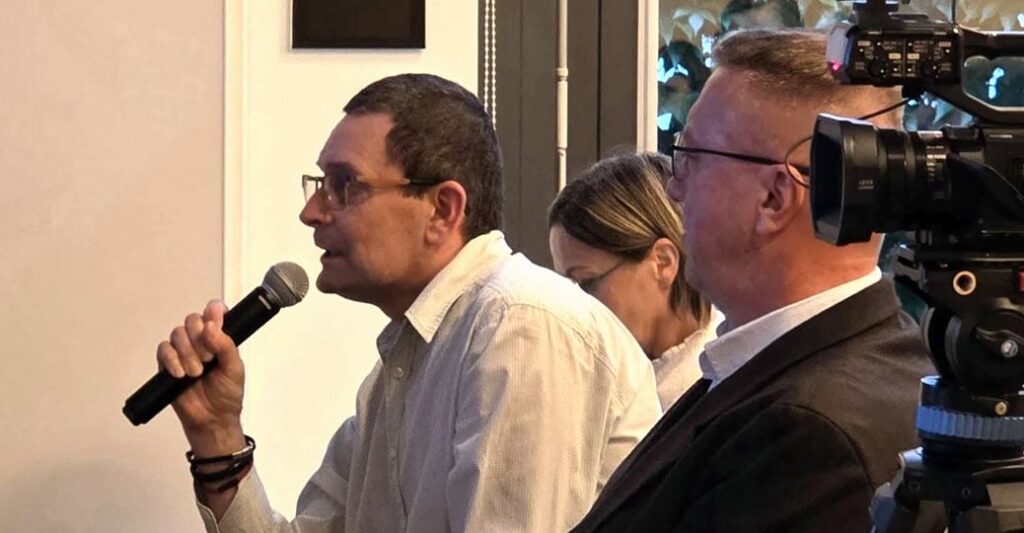
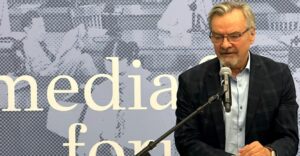
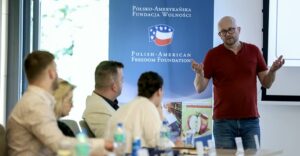
On June 11, local journalists met with him at the headquarters of Polish-American Freedom Foundation in Warsaw. The event took place as part of the "Media Forum. Local Development" program, a joint initiative of the PAFF and the Media Forum Foundation.
The release of Andrzej Poczobut—a journalist, activist for the Polish minority in Belarus, and one of the most recognizable political prisoners of the Lukashenko regime—was one of the most significant news stories of recent months for the media community.
Opening remarks
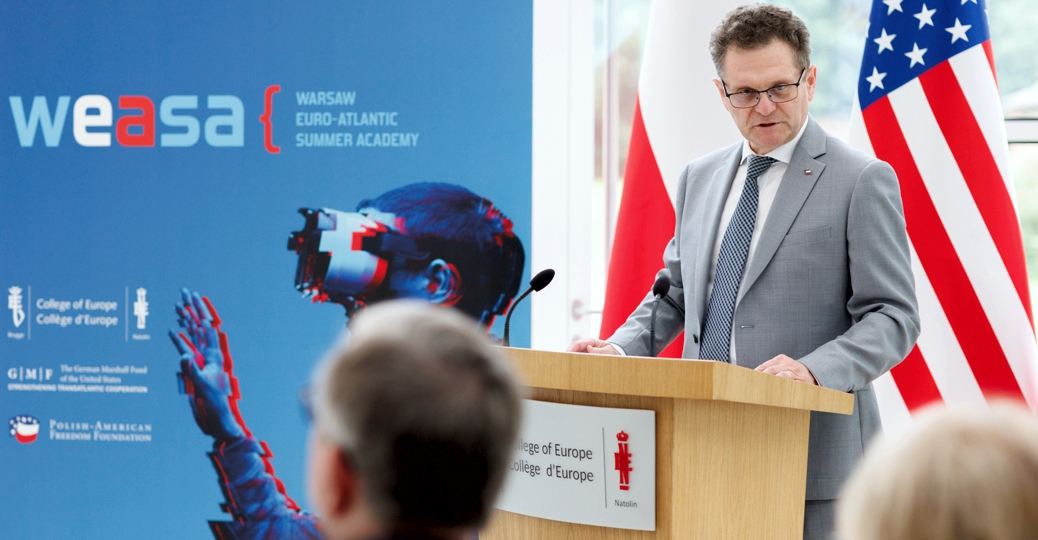
The meeting was opened by Jerzy Koźmiński, PAFF President and CEO, who welcomed Andrzej Poczobut and his family with great emotion. He emphasized that the opportunity to speak with Andrzej Poczobut is a special moment for local journalists—participants in the “Media Forum. Local Development” program.
“I am very happy that today we can meet a man whose example has for years reminded us of what journalism truly is and why this profession matters. For local journalists, who are closest to the people and their issues every day, Andrzej Poczobut’s story is a lesson in courage and integrity. It shows that the truth has its value—but it also has its price. It is an honor for us to host you today,” said Maciej Starczewski, President of the Media Forum Foundation and co-host of the meeting.
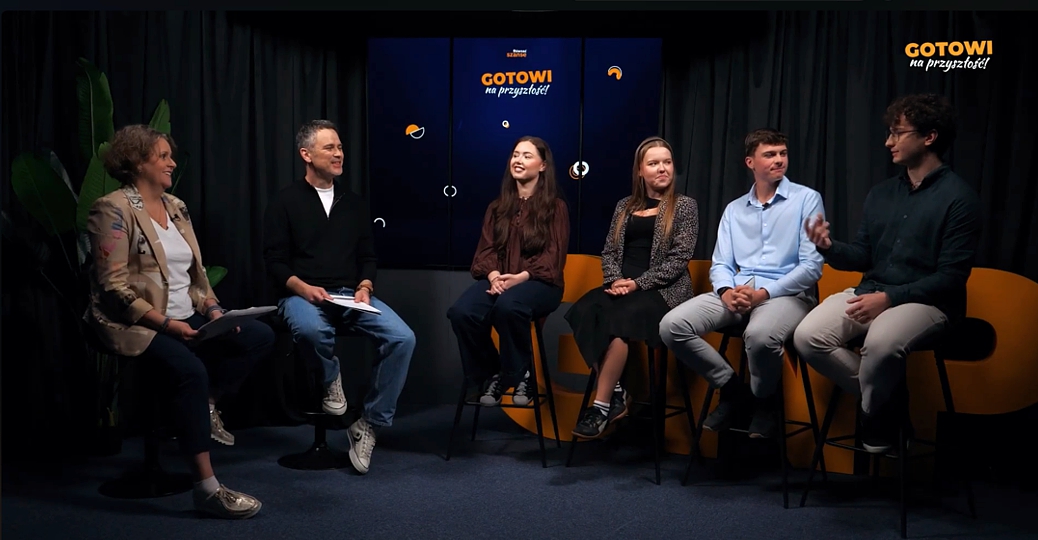
A voice of courage – Andrzej Poczobut in conversation with Katarzyna Sroczyńska
Andrzej Poczobut, who was sentenced in 2023 by a Belarusian court to eight years in a maximum-security penal colony for “rehabilitating Nazism,” spoke, among other things, about his path to journalism. As he explained, it was his father who instilled in him the need to tell stories: “Finding a topic, describing it, and telling its story—that was in me.” As a lawyer by training, he quickly realized that in authoritarian Belarus, that profession was ceasing to exist. Journalism became a space of freedom for him.
In the interview conducted by Katarzyna Sroczyńska of the Media Forum Foundation, he emphasized that from the very beginning of his career he relied exclusively on facts: “I have never resorted to fabricating reality. I have always relied on facts, and conclusions could vary.”
It was precisely these conclusions—and not alleged fabrications—that formed the basis of the two criminal cases brought against him.
He also recalled a moment that for many became a symbol of his stance: his refusal to stand facing the wall during his trial. “I didn’t feel that I had done anything wrong, not at all. They’re the ones who should be ashamed,” he said.
He devoted a great deal of attention to the power of words. Even in prison, he took notes, and the guards would tell him, “He’ll write about you later.” “The conviction that words matter has never left me,” he emphasized.
Andrzej Poczobut also spoke about the responsibility of the leader of the Union of Poles in Belarus, and about people who—often having nothing to do with politics—found themselves at the center of a conflict with the regime: “People believed in us and entered into this conflict. And I knew I couldn’t leave them behind.”
Some of the questions from the audience touched on hope, mental resilience, and the future of Belarusian political prisoners. Poczobut admitted that his awareness of history and the memory of those who survived the labor camps helped him endure: “That generation, which faced two totalitarian regimes, served as a role model for me.”
Voices of local journalists—on the price and power of courage
Krzysztof Zyzik, editor-in-chief of “O!Polska”:
“When I greeted ‘Lukashenko’s personal political prisoner’ from the stage during the Grand Press gala, I could only dream that six months later we would shake hands. Today we can talk about the price one pays in Belarus for writing the truth.”
Jakub Dźwilewski, editor-in-chief of Telewizja Kędzierzyn-Koźle:
“I think Lukashenko is afraid of Poczobut. And he should be. It’s people like him who change reality. We’re proud to have him as a colleague.”
The power that flows from this meeting
For local journalists, the meeting with Andrzej Poczobut was not only an opportunity to speak with a man who paid the ultimate price for his commitment to the facts, but also a lesson in the power of words, responsibility, and courage. His story—from his activism in the Union of Poles in Belarus, through years of repression, to his return to Poland—served as a vivid reminder that freedom of speech is never guaranteed once and for all.