



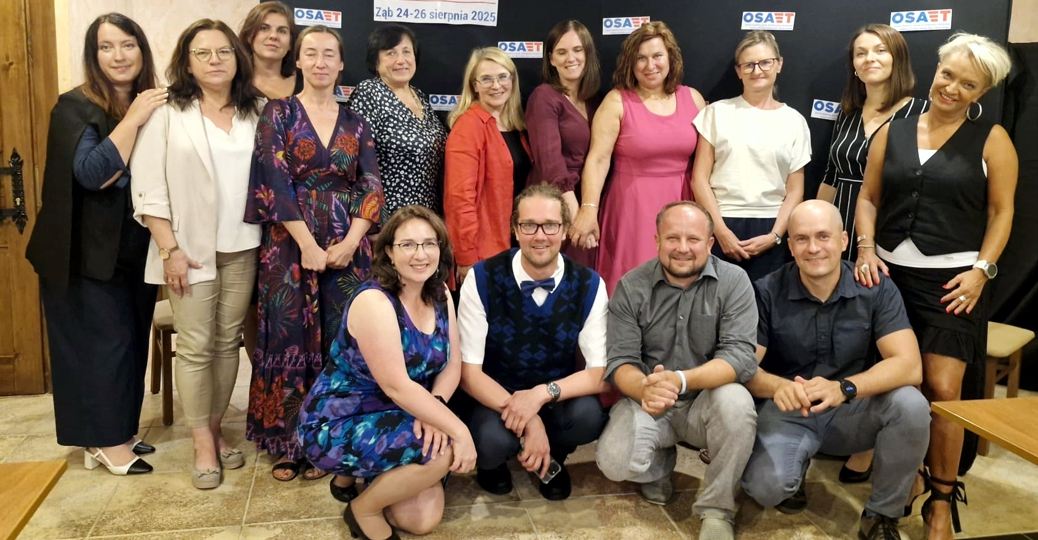
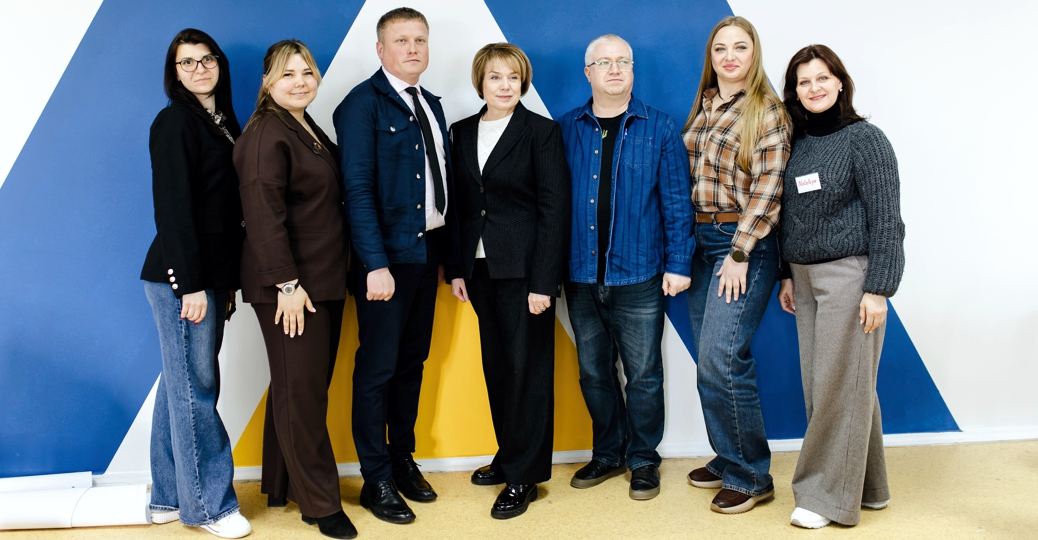
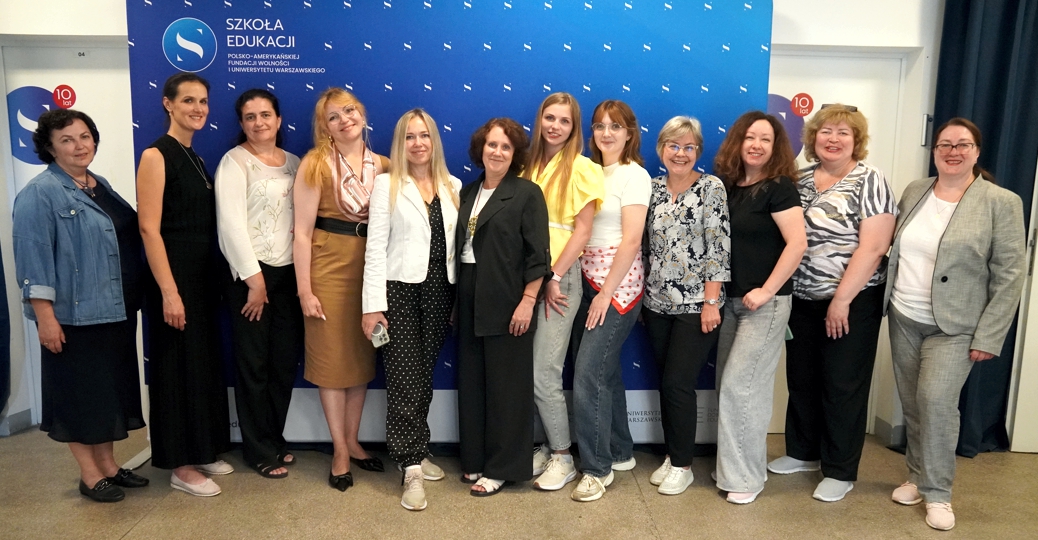
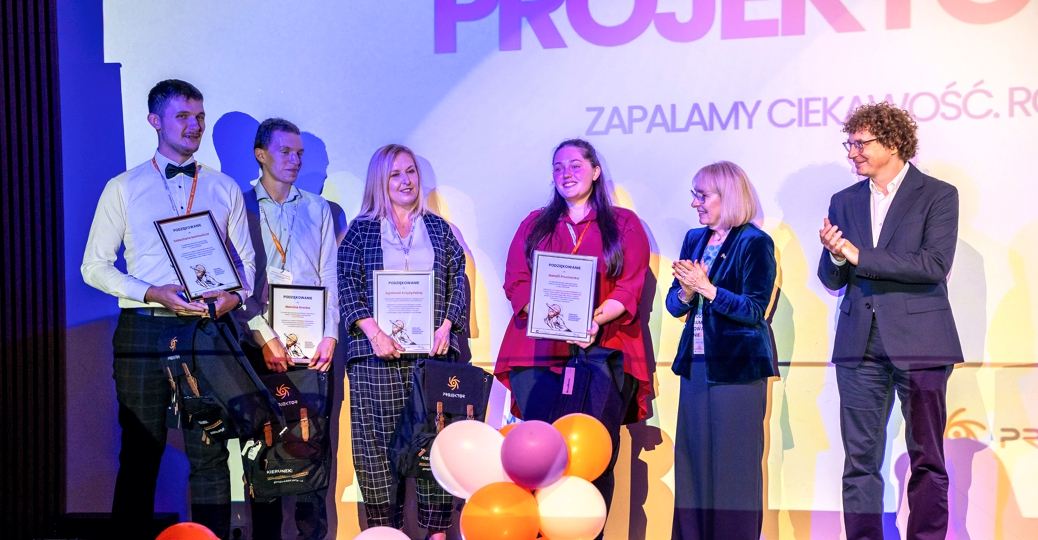


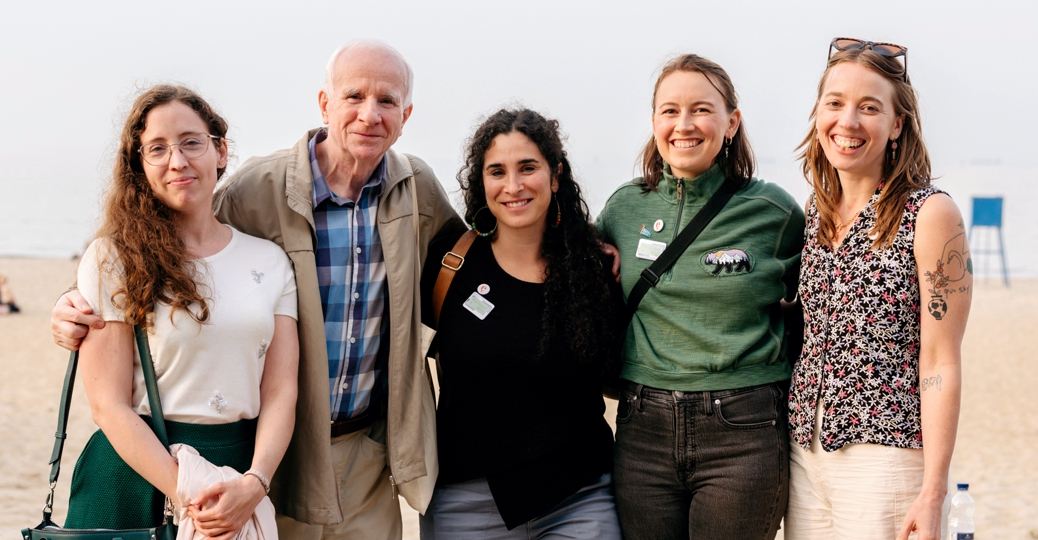
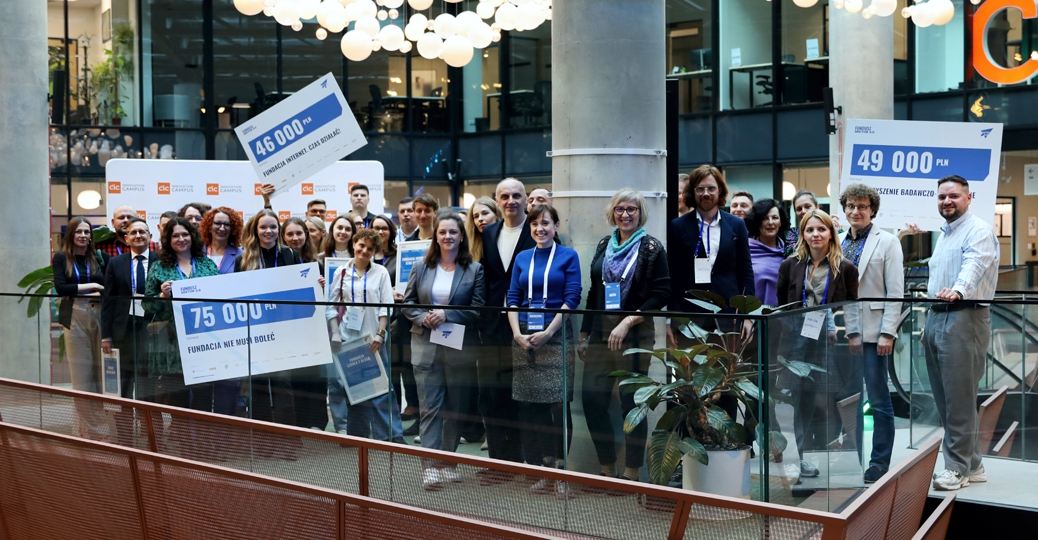
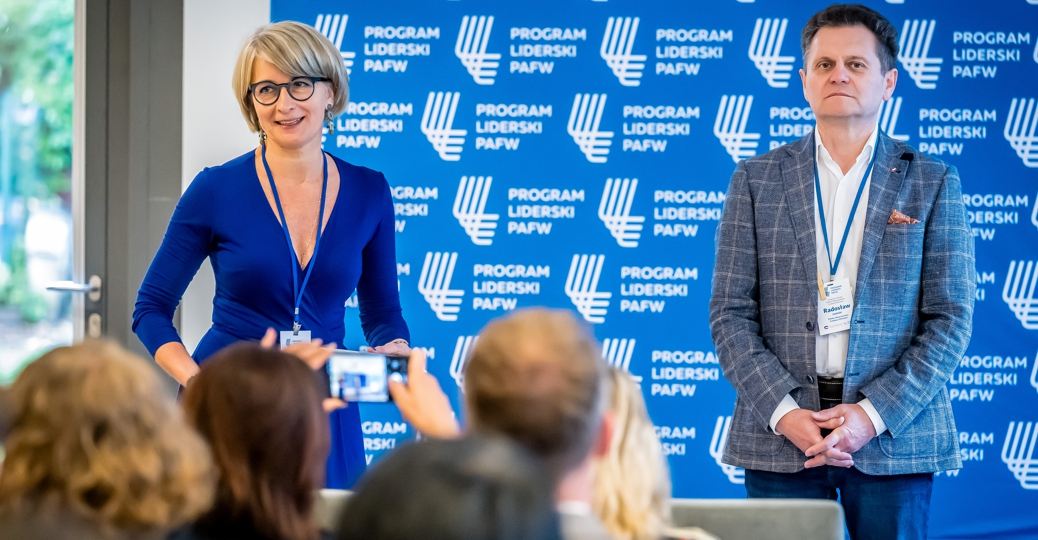
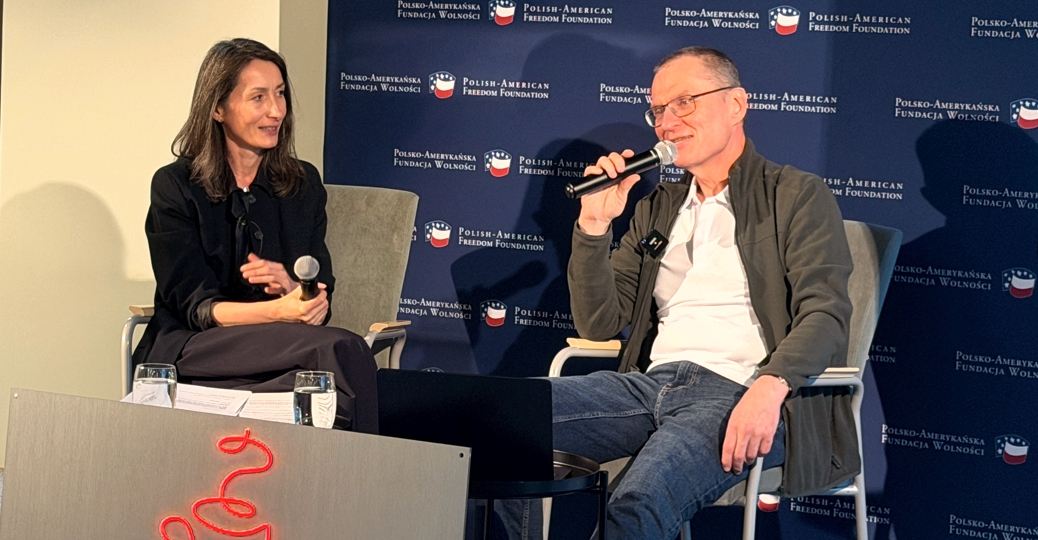
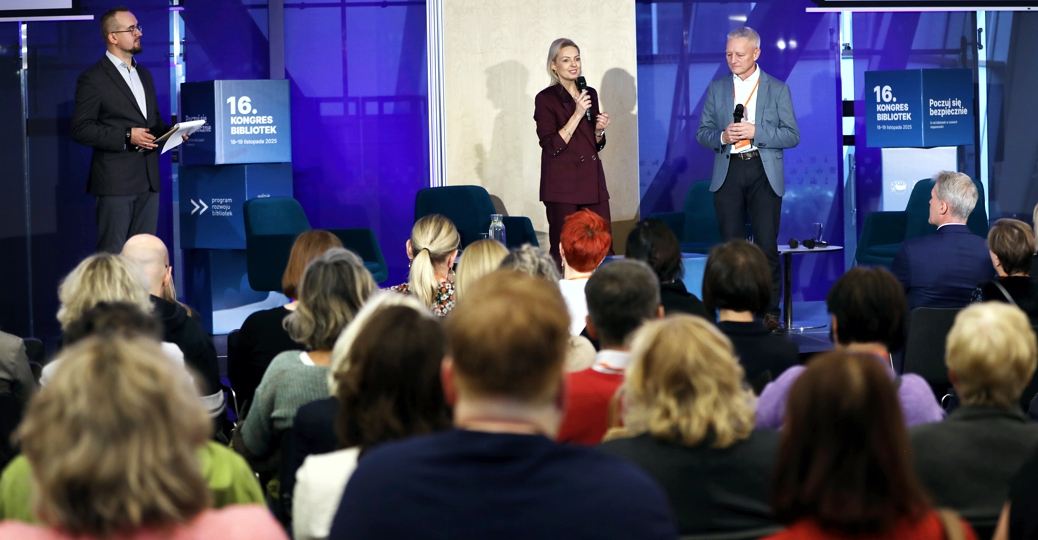
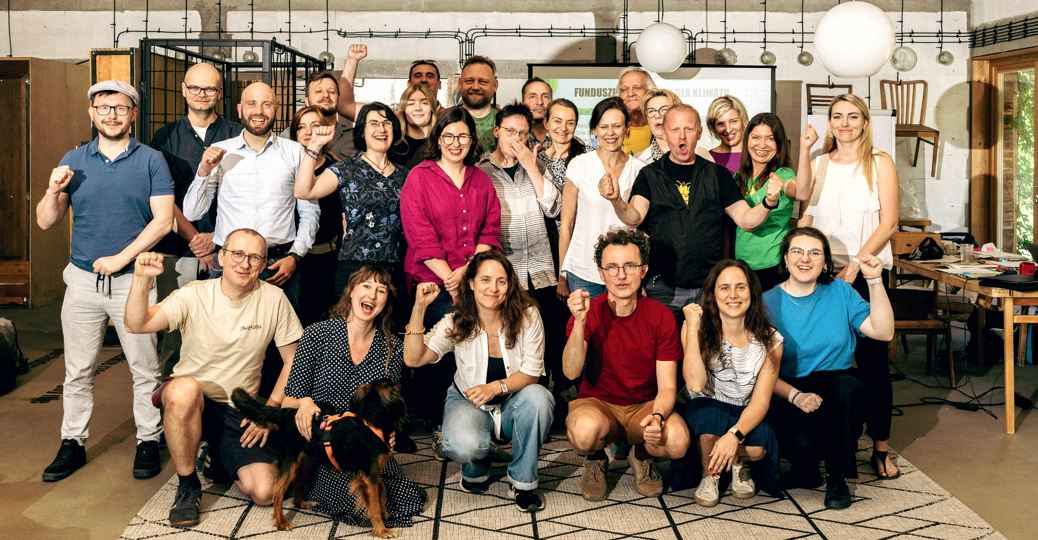



A study visit by PAFF program managers to the Miejsce Wastewater Treatment Plant in Ludwików provided an opportunity to learn about inspiring environmental solutions and exchange experiences. The meeting took place on May 28, 2026, as part of the Strategy for Environmental Education Activities in the Programs of Polish-American Freedom Foundation for 2024–2026 (Eco-Strategy).
Witold Czarnocki, the owner of the treatment plant, presented to the participants a variety of ecological solutions implemented on the site, including construction solutions, waste minimization, and recycling. He also spoke about the philosophy behind the creation of the Miejsce Treatment Plant—a space developed over many years “in harmony with nature,” built on the site of former farmland.
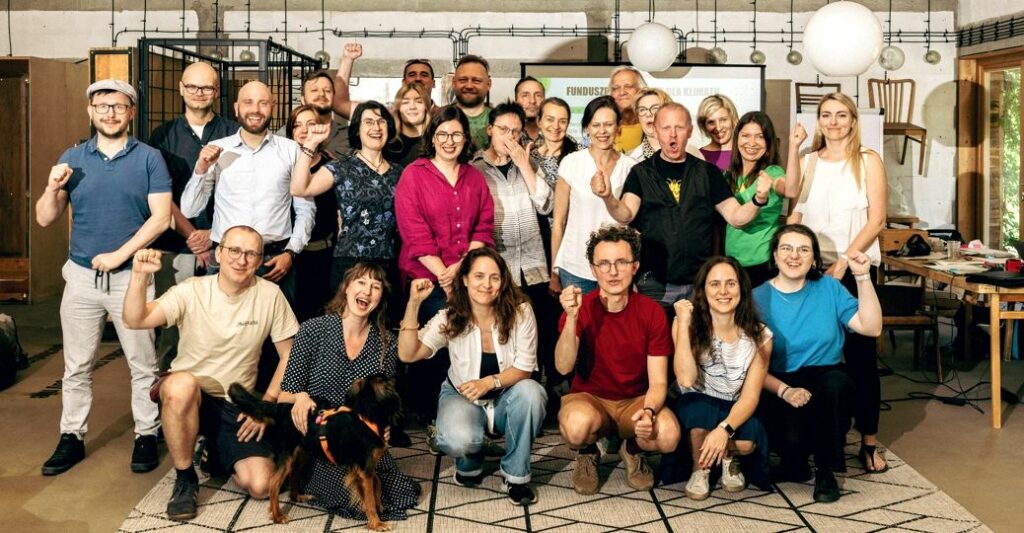
The visit was also an opportunity to exchange experiences in partnership projects implementation, cross-sectoral cooperation, and support for local environmental and climate initiatives with participants of the Green Funds Advisors Network.
“The collaboration between the Advisors Network and PAFF programs offers an opportunity to strengthen grassroots environmental activism in Poland. Advisory services can provide tangible support to local organizations and governments, helping them overcome formal barriers and secure the necessary funds for project implementation,” notes Alicja Piekarz, coordinator of the Green Funds Advisors Network.
The issue of potential synergies between ongoing programs and initiatives in the field of environmental and climate protection was also raised. The discussion was preceded by a presentation and a summary of activities carried out to date under the PAFF Eco-Strategy.
“Over more than five years of implementing the Eco-Strategy, we have managed to carry out numerous educational activities; a Code of Good Practices for Climate and the Environment was developed, along with a knowledge base and a network of experts in the field of environmental protection and climate action; and over a dozen thematic meetings were held, along with several joint initiatives on environmental and climate issues,” said Magdalena Piekunko, Eco-Strategy coordinator at the Center for Citizenship Education Foundation.
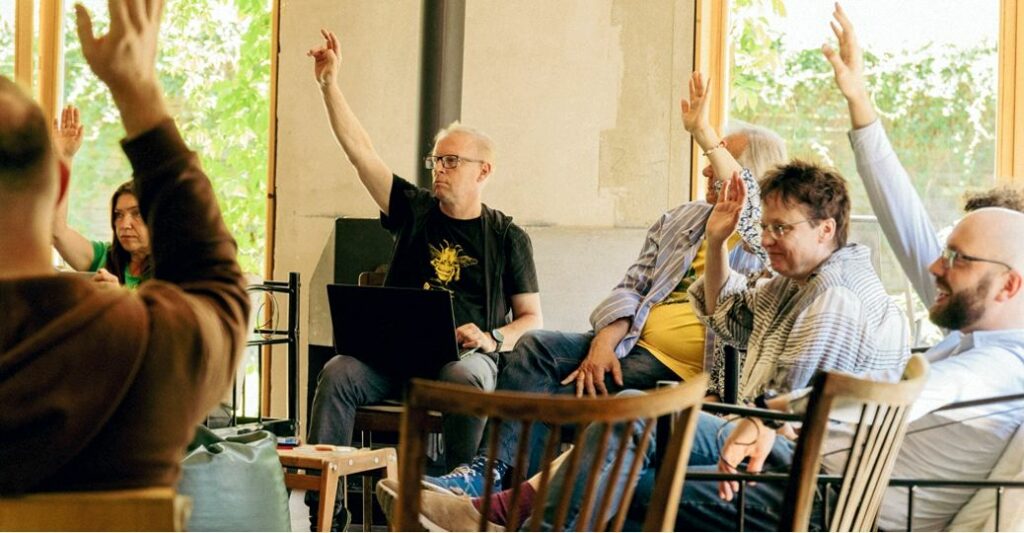
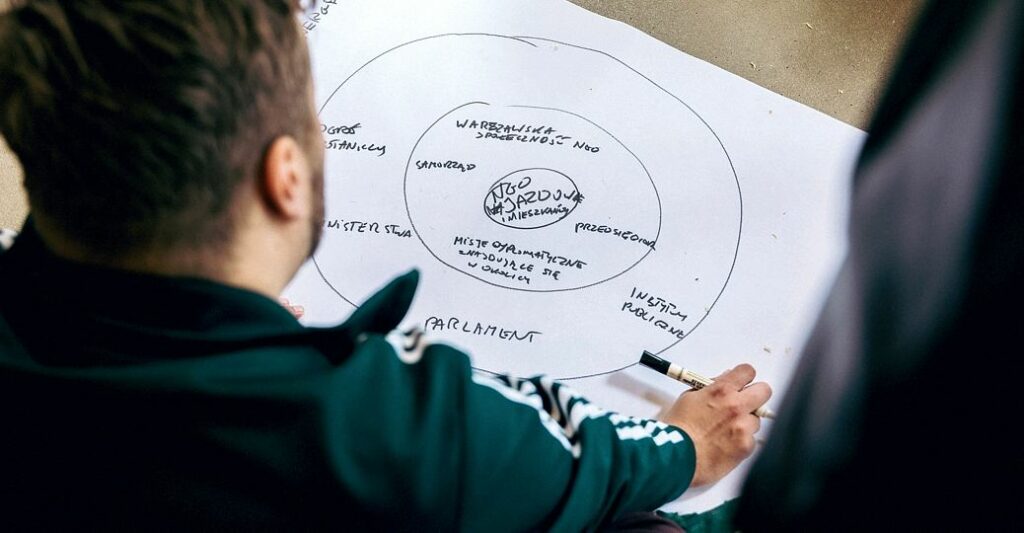
Discussions focused on the needs of the organizations, opportunities for cooperation, and strengthening the “green” activities carried out by individual implementers. During the talks, many proposals regarding further networking and cooperation emerged. These included, among other things, the joint promotion of educational materials and events, the development of partnerships between programs and organizations, the organization of exchanges of experiences and internships for program participants on “green” topics, as well as the preparation of joint training sessions and meetings for participants and alumni of PAFF programs.
The study visit resulted in the identification of new areas of potential cooperation between PAFF program implementers, as well as the creation of opportunities for further developing joint initiatives for environmental and climate protection.