





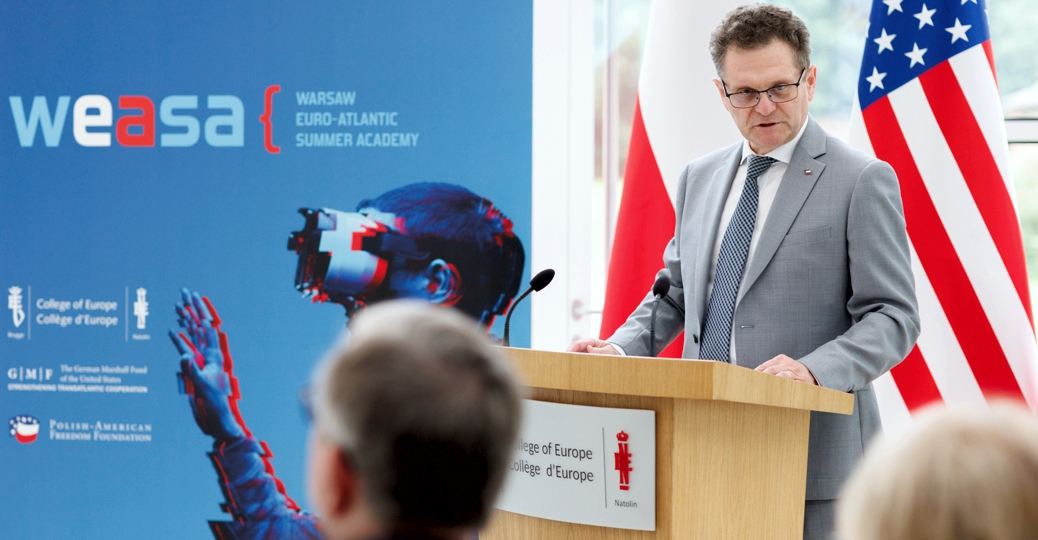

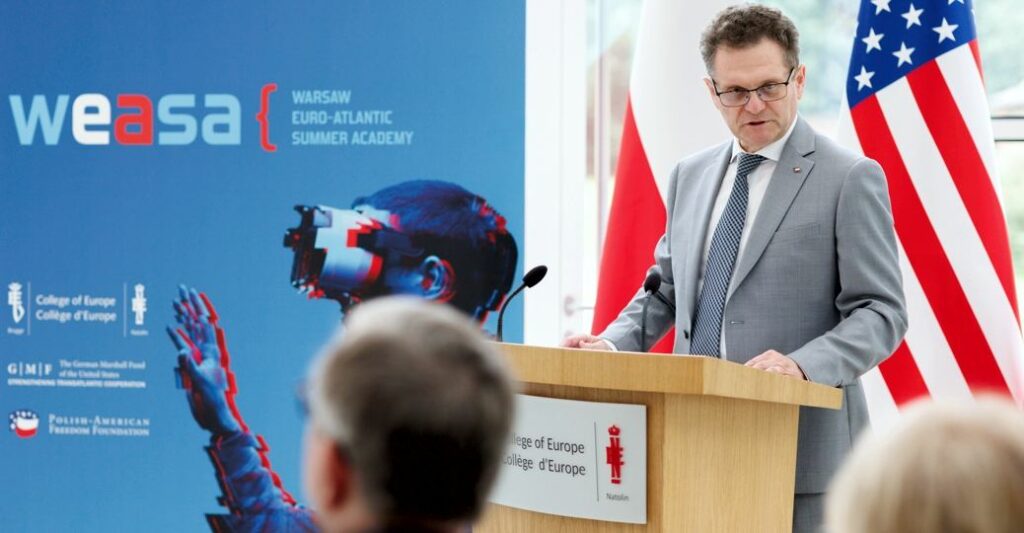
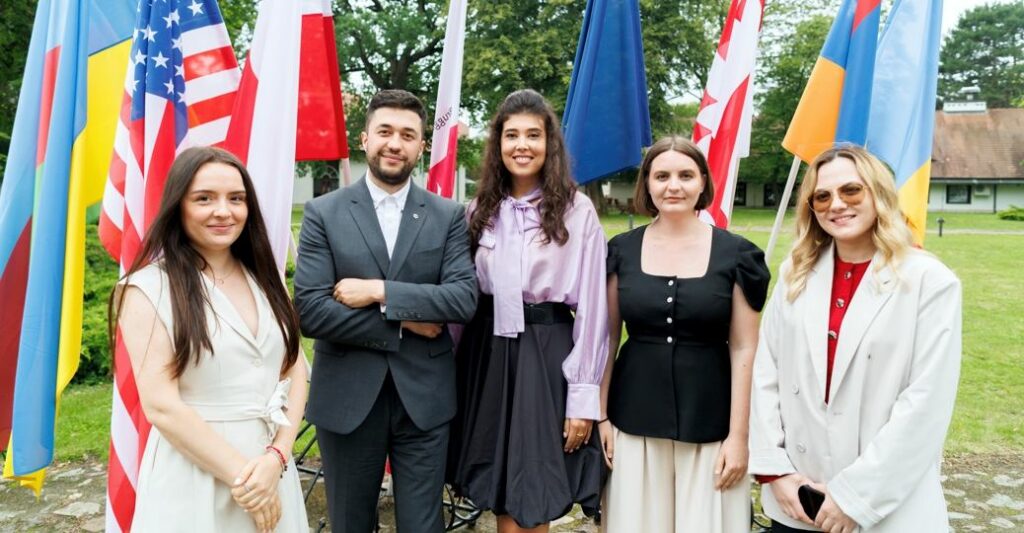
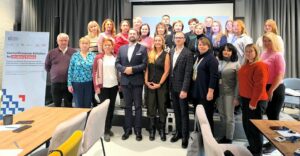
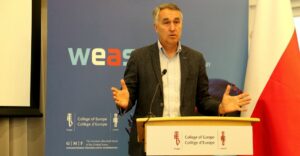
On July 12–18, the 14th round of Warsaw Euro-Atlantic Academy (WEASA) took place in Warsaw at the College of Europe in Natolin, with the participation of 30 individuals selected from over 250 applications from six countries: Armenia, Azerbaijan, Belarus, Georgia, Moldova, and Ukraine.
WEASA is an annual summer school held as part of the “Study Tours to Poland” program, offering an intensive, week-long program addressed primarily to experts from Eastern Partnership countries—analysts, political and government advisors, think tank and NGO staff, civil servants, and journalists.
In recent years, WEASA has focused on security issues in the context of the development of new technologies and their impact on human life, the functioning of societies, and political processes.
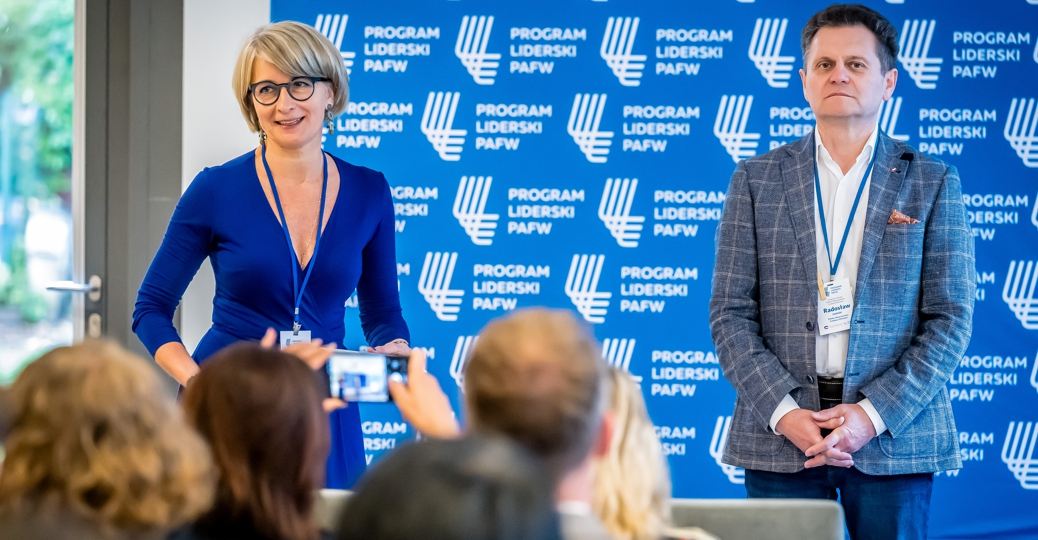
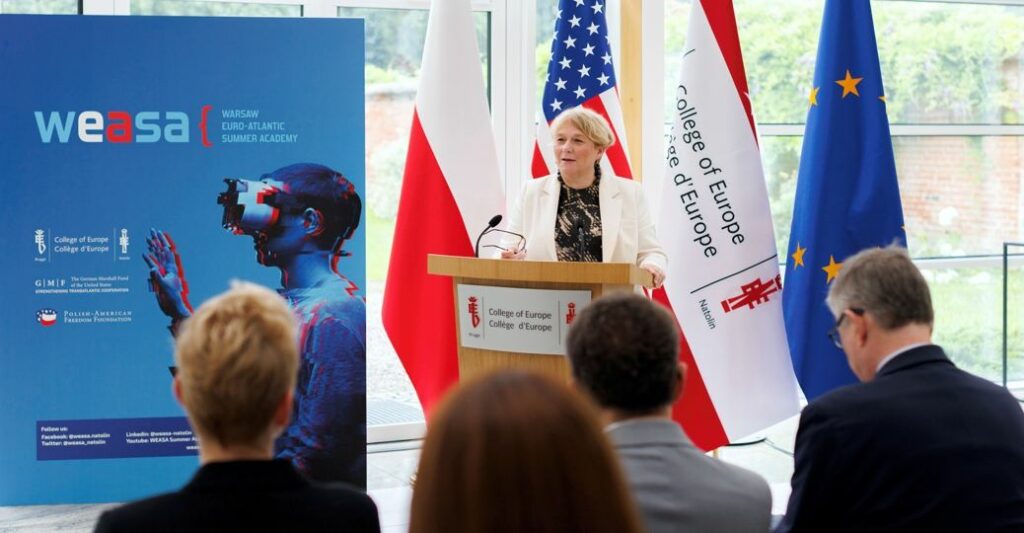
The Rector of the College of Europe in Natolin, Ewa Ośniecka-Tamecka, presided over the opening ceremony of this year’s WEASA. In her address, she emphasized the importance of the summer school—which has been organized jointly by PAFF and the College of Europe for the past 14 years—as a venue for developing the competencies of specialists working in the fields of digital security and countering disinformation. She also noted that this year’s group of lecturers and coaches included several alumni from previous rounds of the program, which—as she pointed out—best illustrates its lasting impact on the expert community.
“For its participants, WEASA is not just a one-time event, but also involves ongoing networking and capacity-building activities for graduates of all rounds, such as webinars, study visits to Poland, and partner visits to target countries,” Radosław Jasiński, Program Director of Polish-American Freedom Foundation, emphasized in his remarks.
The opening lecture was delivered by Ambassador Tomasz Chłoń, Polish Chargé d’ Affaires in Finland and Plenipotentiary of the Ministry of Foreign Affairs for Countering International Disinformation. He devoted his speech to the growing need to mobilize state institutions and civil society in responding to foreign-inspired information manipulation, pointing to the latest examples and mechanisms of such activities.
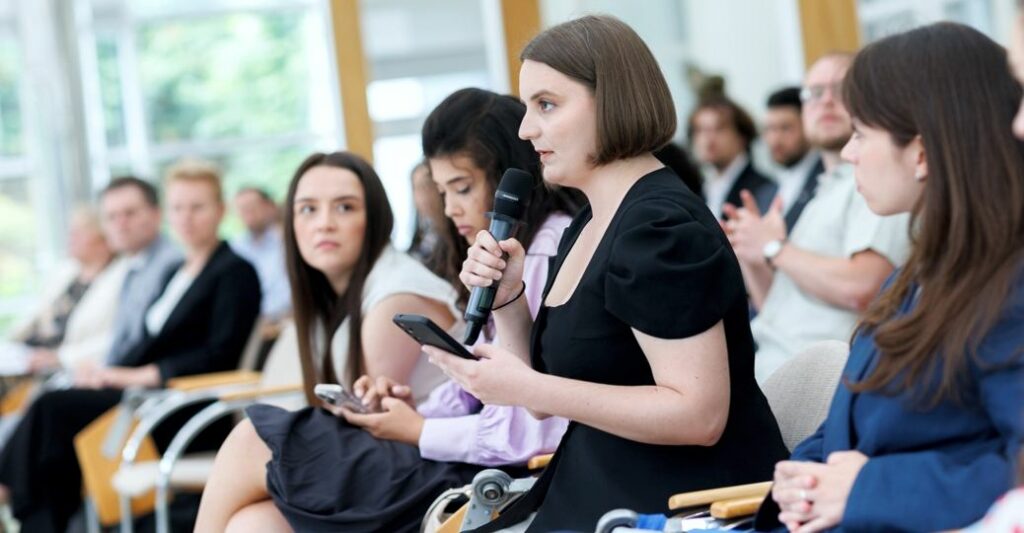
Participants in the Warsaw Euro-Atlantic Academy took part in numerous lectures and workshops devoted to topics such as artificial intelligence, mechanisms of societal polarization and disinformation, fact-checking, and open-source intelligence.
WEASA is a joint initiative of Polish-American Freedom Foundation, the College of Europe, and The German Marshall Fund of the United States. Polish-American Freedom Foundation supports Warsaw Euro-Atlantic Academy as part of the “Study Tours to Poland” program.
Over the course of thirteen rounds of WEASA (2013–2025), 551 participants from the Eastern Partnership countries and the Western Balkans took part, including: 57 from Armenia, 39 from Azerbaijan, 50 from Belarus, 101 from Georgia, 48 from Moldova, and 151 from Ukraine.
More about WEASA