



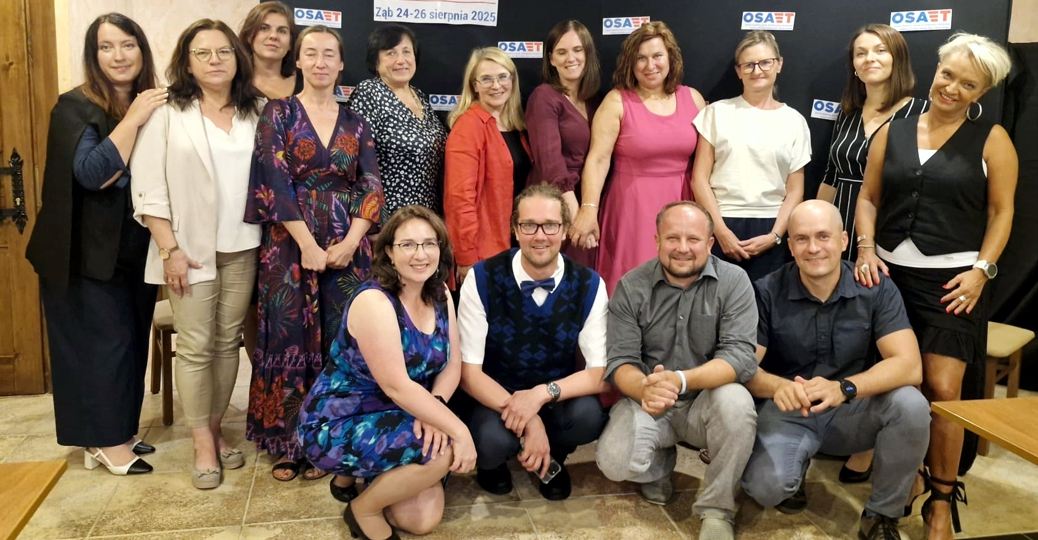

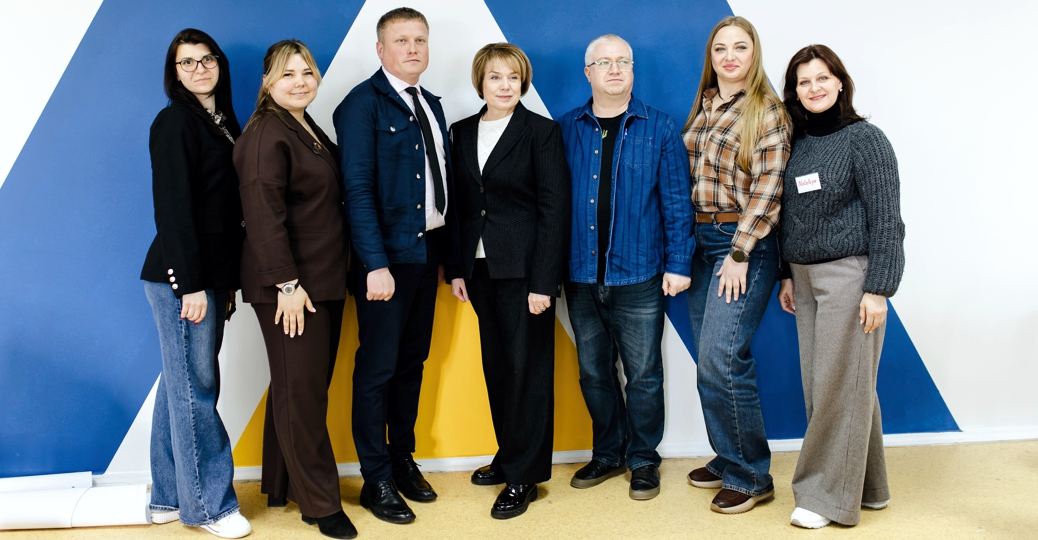
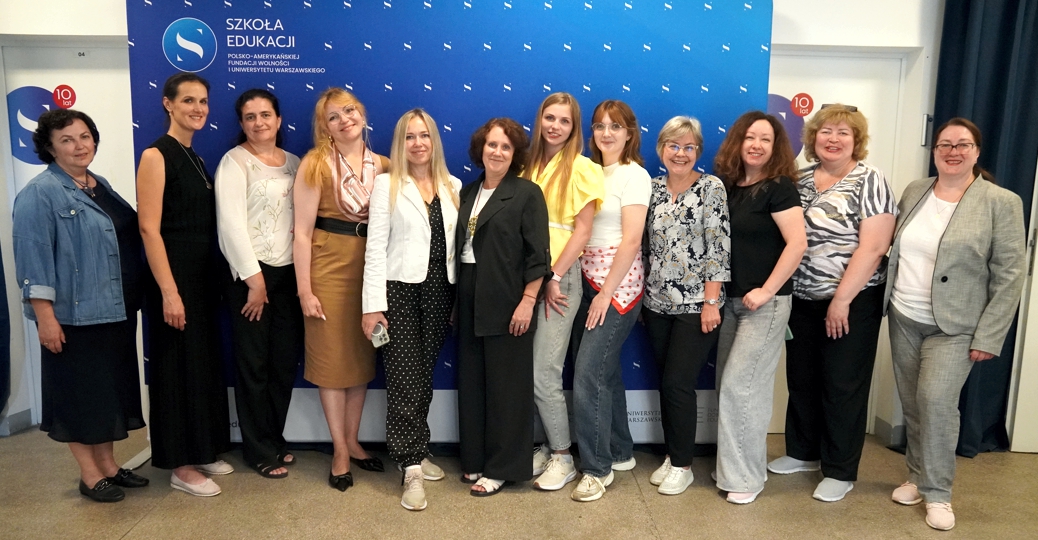
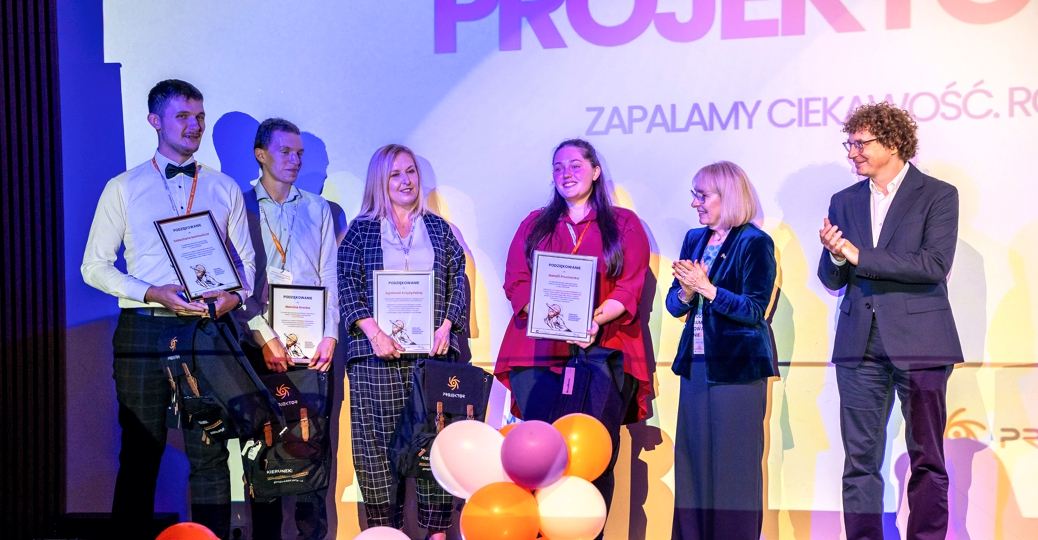


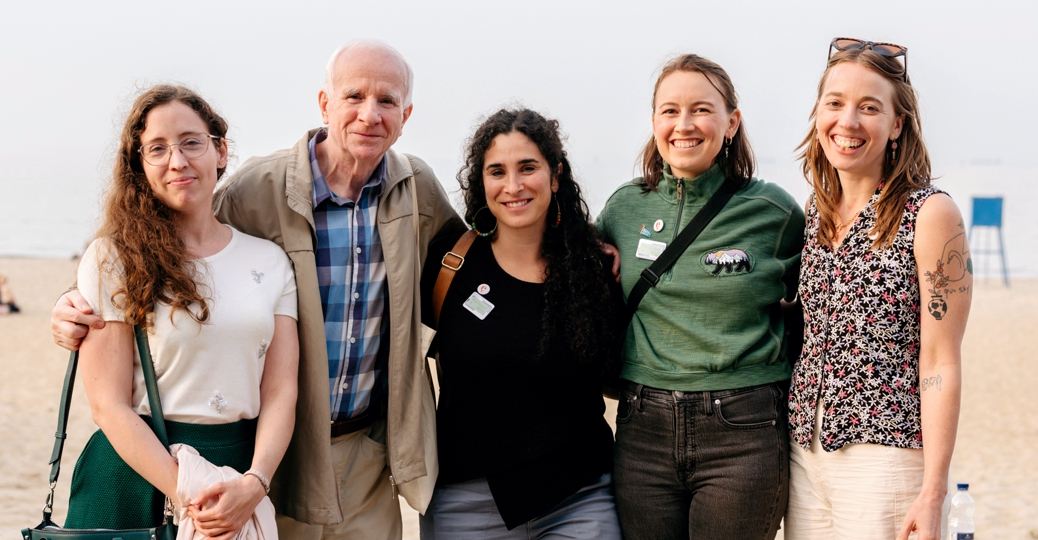
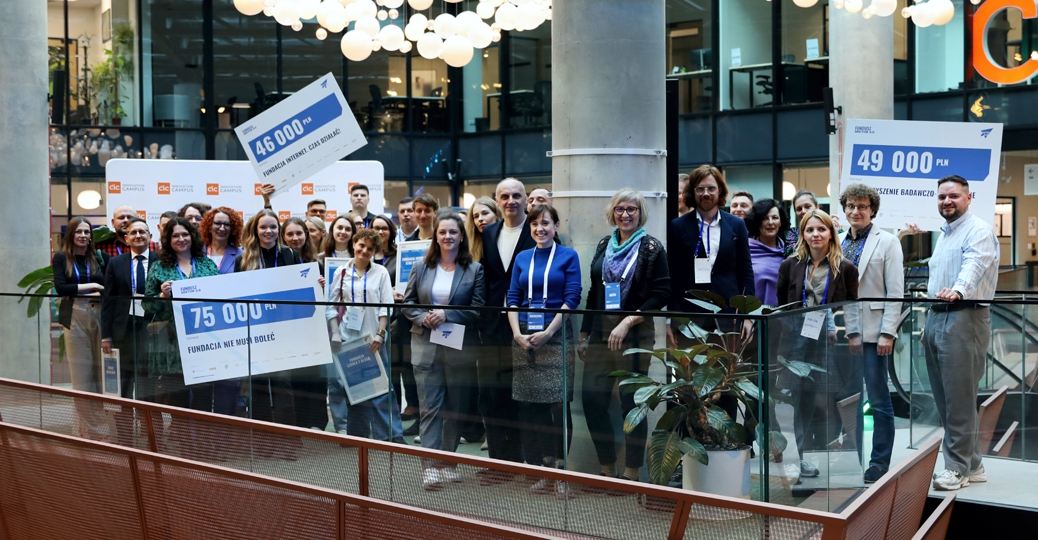
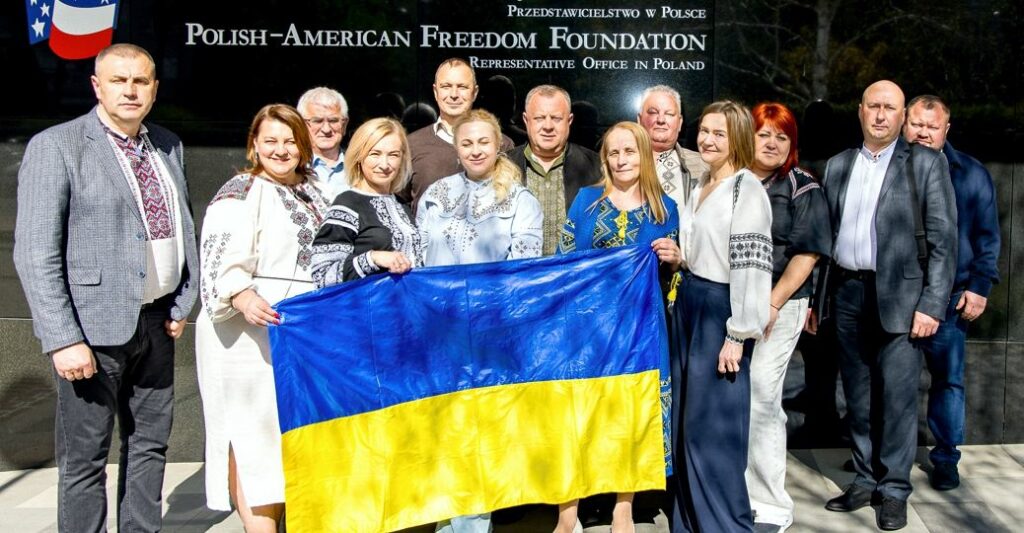
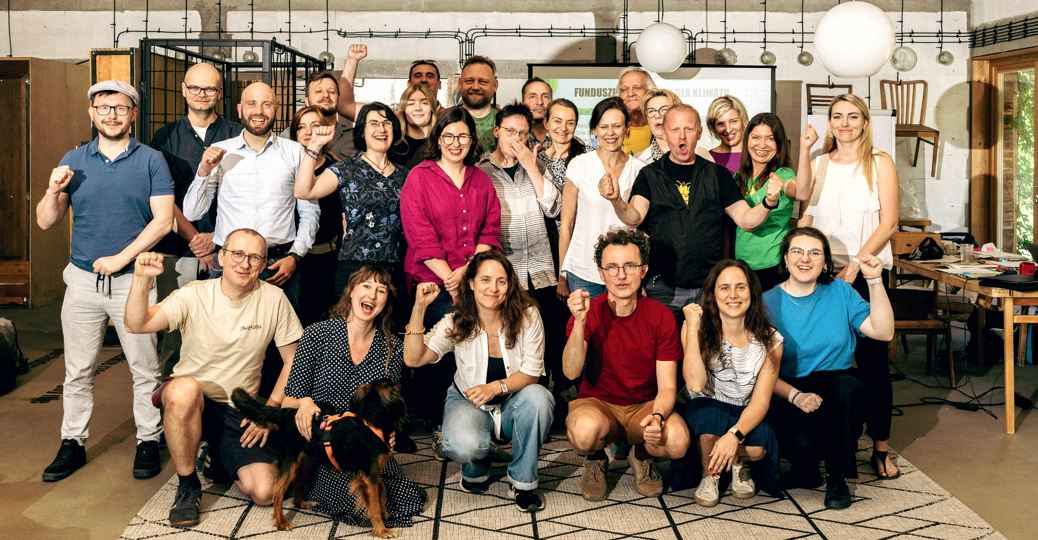
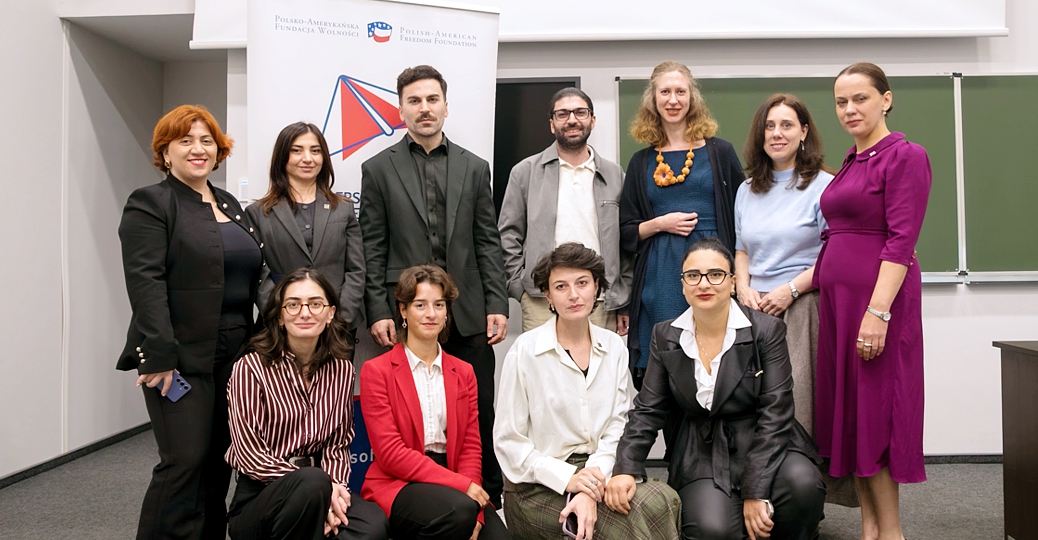
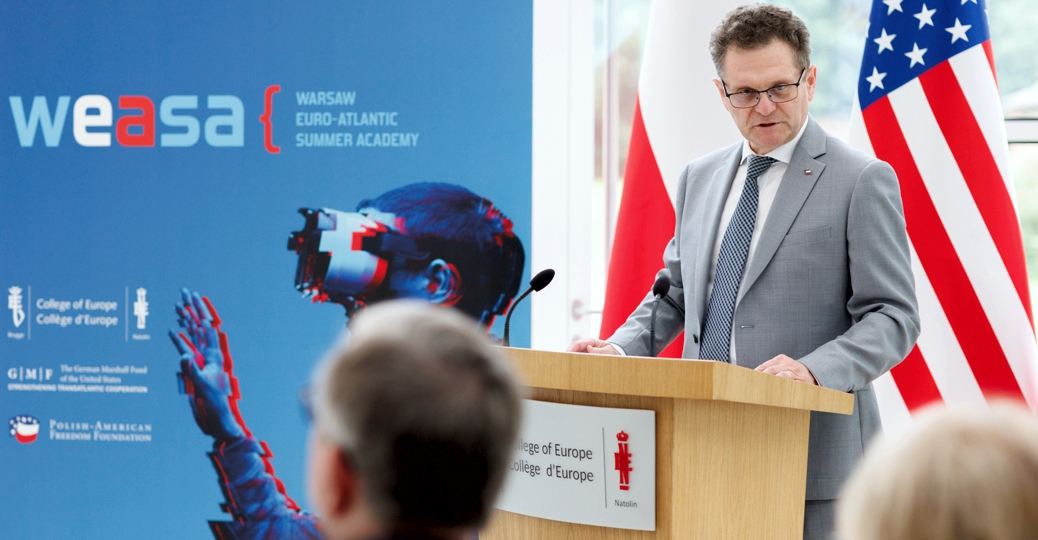

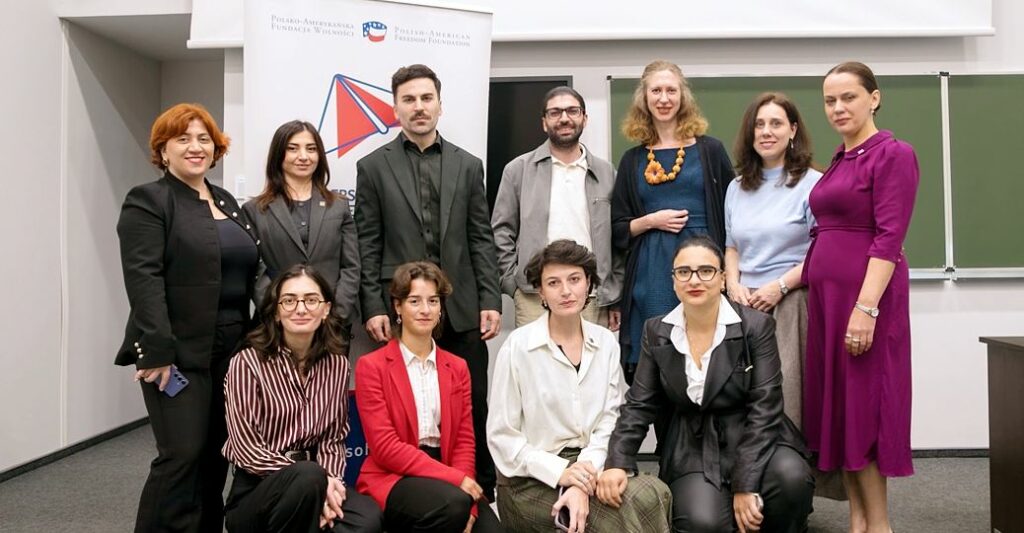
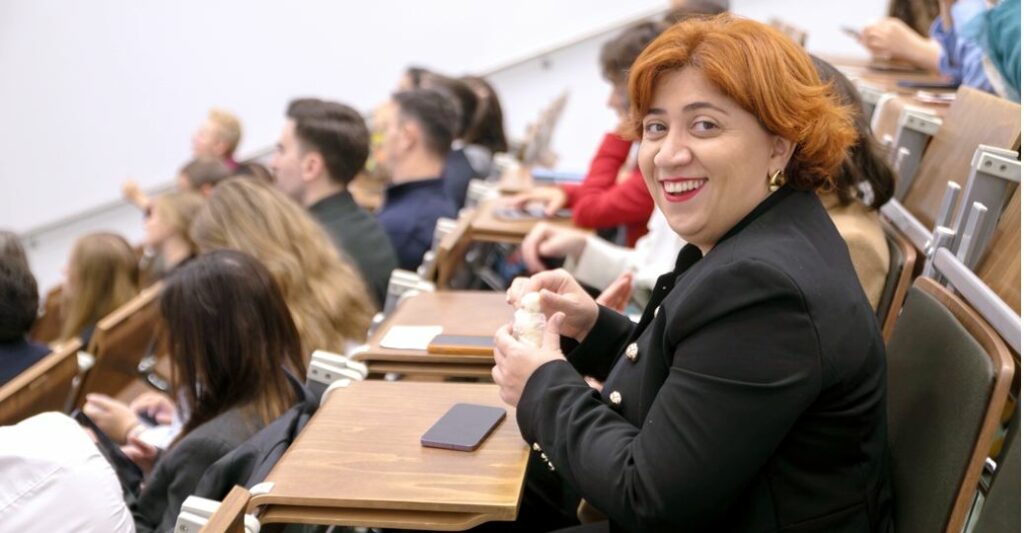
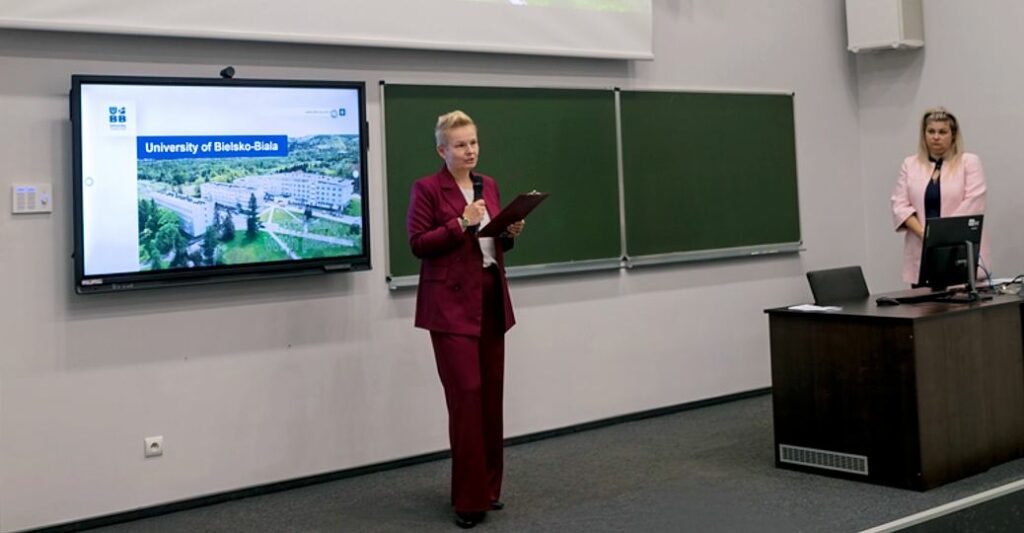
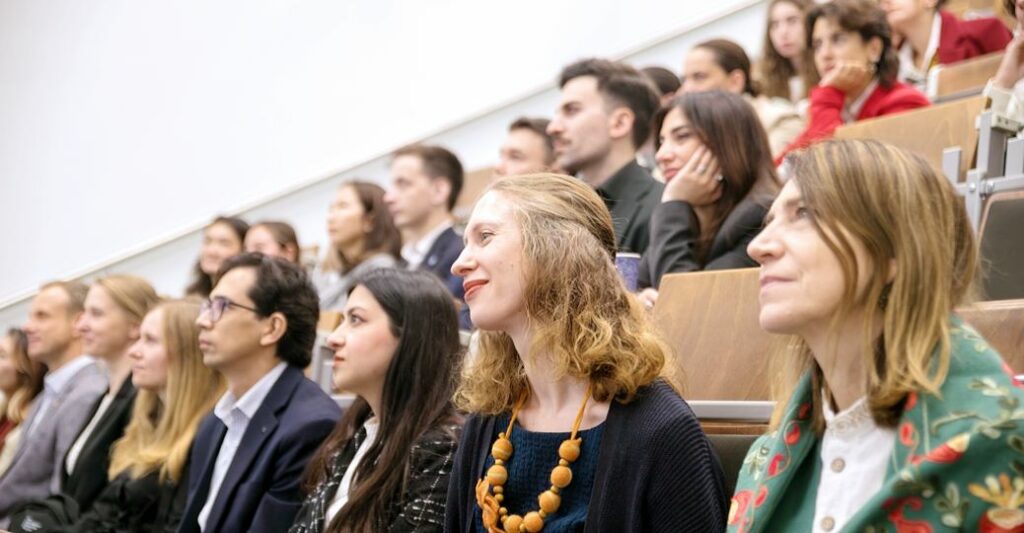
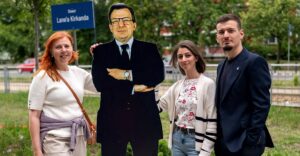
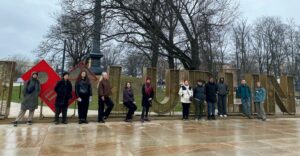
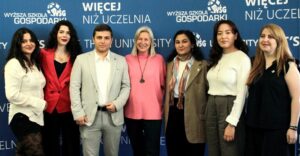

Thirty-three scholarship holders from 10 countries in Eastern Europe, the South Caucasus, and Central Asia began their stay in Poland as part of the 27th round of the Lane Kirkland Scholarship Program. The opening ceremony took place at the University of Bielsko-Biała.
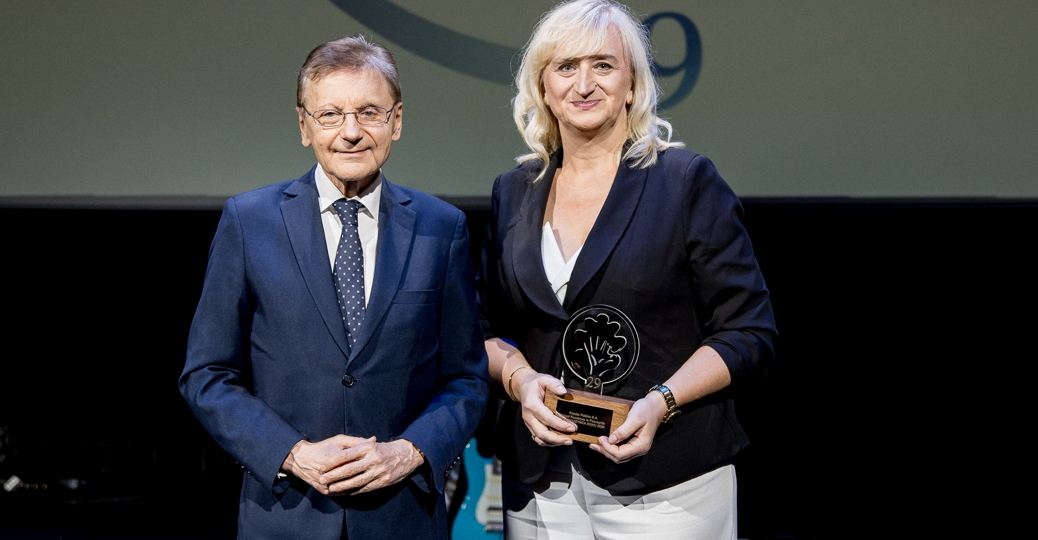
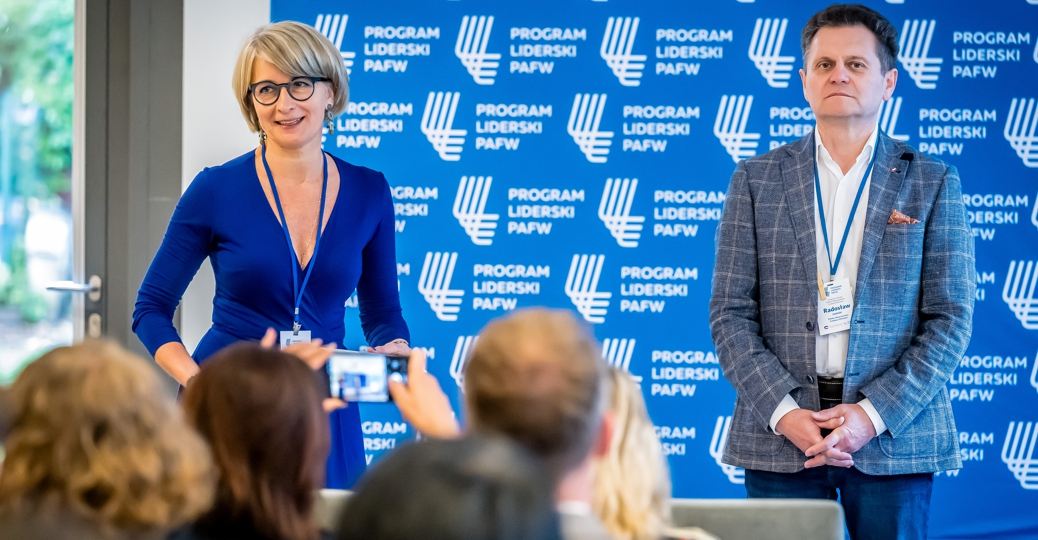
The program participants and invited guests — including the program’s coordinators and facilitators — were welcomed by Prof. Ernest Zawada, Dean of the Faculty of Humanities and Social Sciences at the University of Bielsko-Biała, along with Katarzyna Świątkiewicz, Program Officer of the Polish-American Freedom Foundation, and Agata Wierzbowska-Miazga, President of the Leaders of Change Foundation.
The main theme of the inaugural ceremony was the mission of both the Kirkland Program and Polish-American Freedom Foundation, that is sharing Poland’s experiences related to its transformation. In their speeches, the topic of Poland’s leap toward modernization and its accession to the European Union was linked to encouragement directed at the scholarship holders to make the best possible use of their time in Poland, at leading universities and during internships, by applying Polish experiences to their own academic and professional interests.
“The Kirkland Program gives you the opportunity to immerse yourselves in Polish academic, research, and social life. Take advantage of this! Draw on the experiences of Polish universities, partners, nongovernmental organizations, and institutions with which you will collaborate; get to know the local communities in the cities and villages you visit. Draw on the knowledge and experience of academic coordinators, research advisors, and cultural facilitators. All these elements are pieces of the puzzle that make up Poland’s success and the experience that Poland wishes to share with you,” said Katarzyna Świątkiewicz, PAFF Program Officer, as she welcomed the scholarship holders.
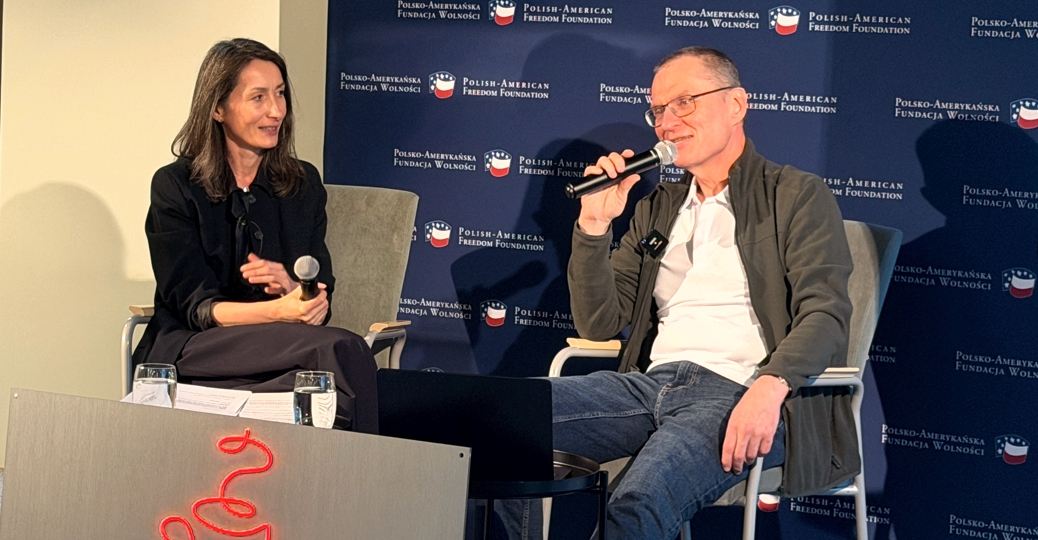
The inaugural lecture, “Does Science Need Culture? Does Culture Need Science?”, was delivered by Dr. Agnieszka Będkowska-Kopczyk, who highlighted the wealth of aspects encompassed by the concepts of “culture” and “science.” Particularly relevant at the start of the scholarship holders’ academic and research stay in Poland was the issue of national cultural diversity, including differences in approach and problem-solving, as well as interculturalism and its role in the creation of science.
During the 10-day orientation in Bielsko-Biała, which was designed to prepare the fellows for their several-month stay in Poland, the Kirkland scholars explored Polish tangible and intangible culture, met with local government officials and entrepreneurs, learned about selected aspects of the work of nongovernmental organizations, explored Bielsko-Biała and the surrounding towns, discovering their tourist attractions, while also observing the changes that have taken place in this part of the Silesian Voivodeship over the past 35 years, particularly the role of decentralization and European funds in the region’s development.
The Lane Kirkland Scholarship Program, which has been in operation since 2000, aims to share Poland’s experiences in political transformation with representatives from countries in the Region. This takes place during a two-semester supplementary study course at Polish universities, and since 2016, the program has been expanded to include a one-semester course for researchers — Kirkland Research. Currently, the program is open to candidates from Ukraine, Belarus, Moldova, Georgia, Armenia, Azerbaijan, Kazakhstan, Kyrgyzstan, Uzbekistan, and Tajikistan. Through individualized study tracks, Kirkland scholarship holders focus on selected aspects of economics and management, public administration and business, law, and social and political sciences. The program was initiated and funded by Polish-American Freedom Foundation and is implemented by the Leaders of Change Foundation.
This year’s group of scholarship holders includes 30 participants in the Kirkland Program and 3 researchers in the Kirkland Research track.
Each year, approximately 38 fellows participate in the program. Between 2000 and 2026, 1,145 people from 13 countries completed the program (1,083 Kirkland Program scholars and 62 Kirkland Research scholars), including: 583 from Ukraine, 200 from Belarus, 85 from Georgia, 69 from Russia, 59 from Armenia, 37 from Kazakhstan, 26 from Moldova, 25 from Kyrgyzstan, 17 from Azerbaijan, 13 from Uzbekistan, and 9 from Tajikistan, as well as 12 from Lithuania and 10 from Slovakia.