



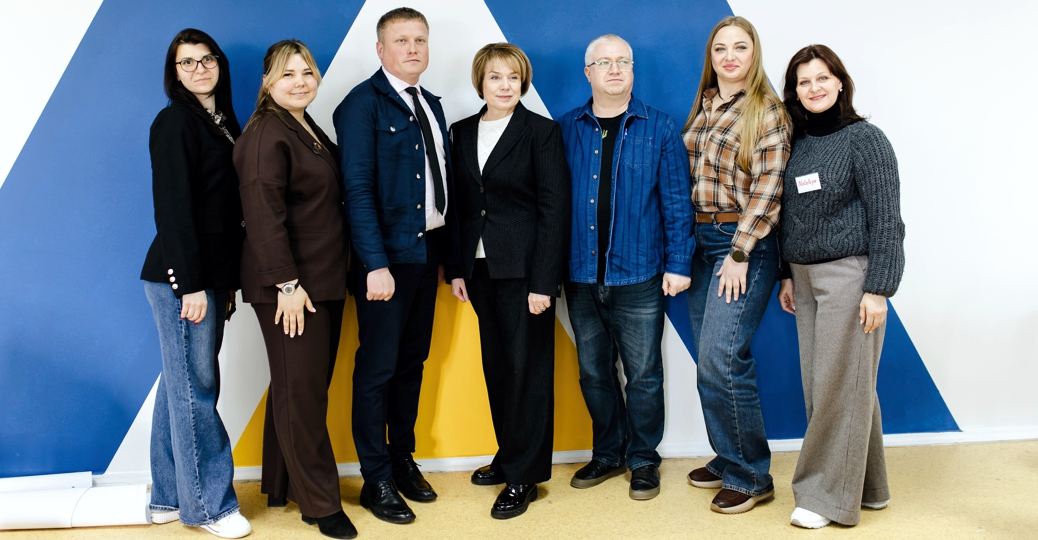
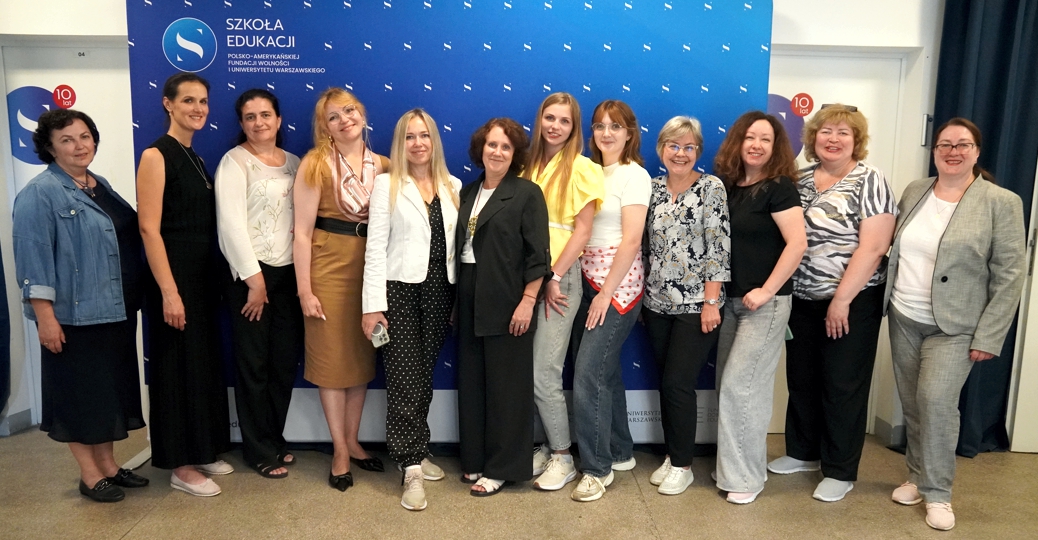
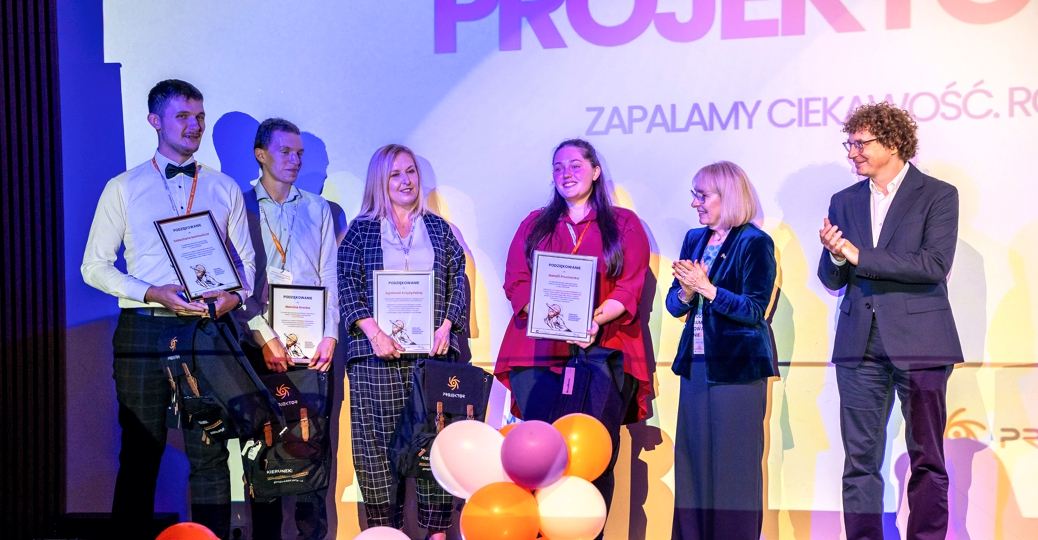


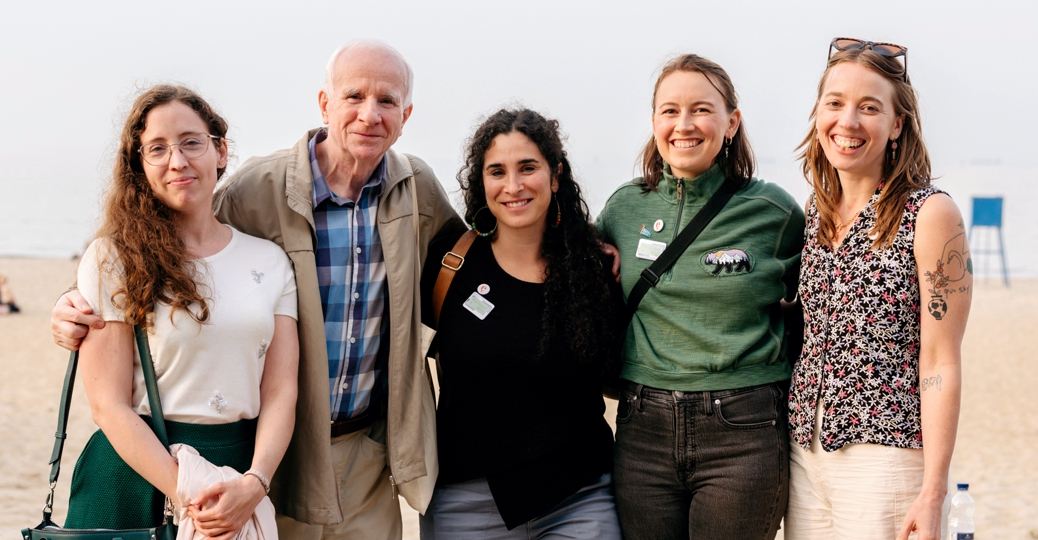
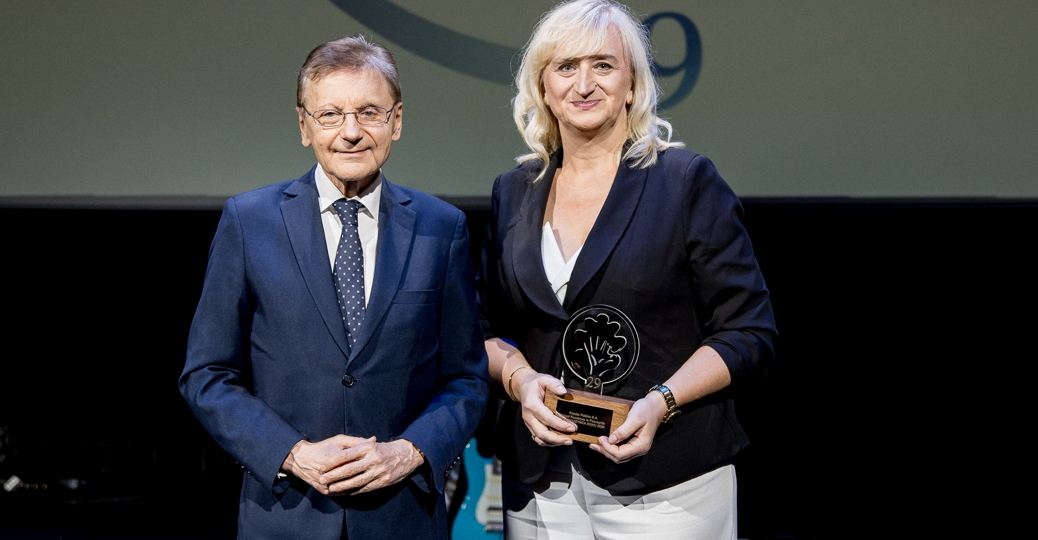
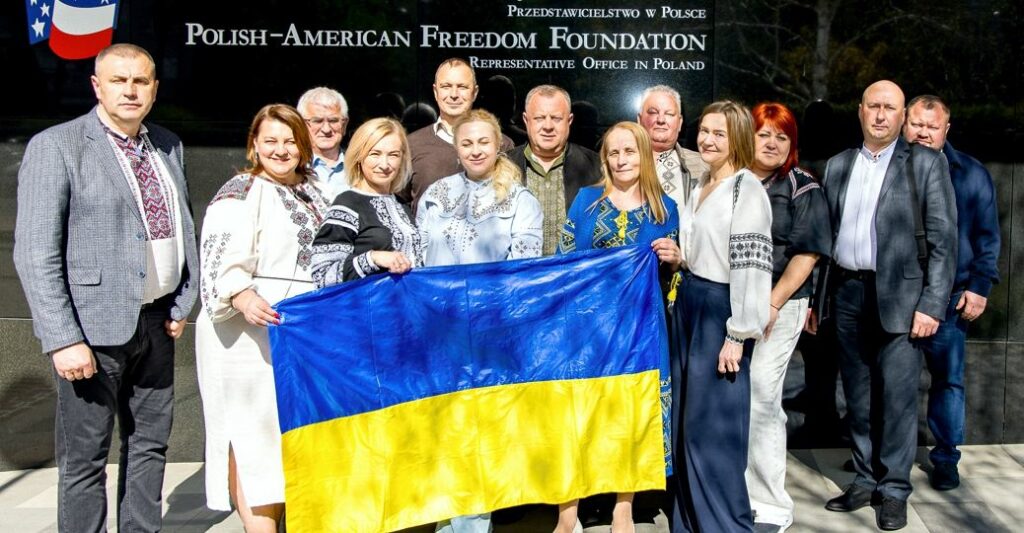

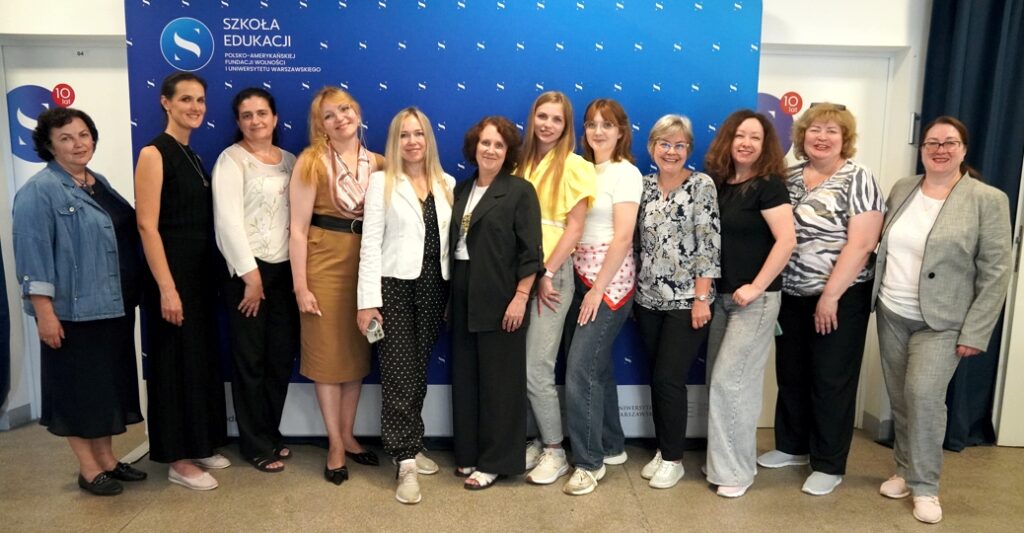
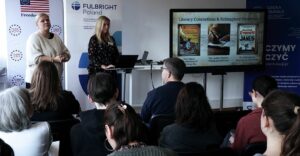
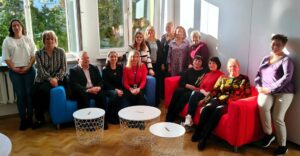
The PAFF and UW School of Education hosted educators affiliated with the Teachers’ Academy at V.N. Karazin Kharkiv National University. The study visit marks the culmination of a year-long collaboration and provides an opportunity for further exchange of experiences regarding teacher education, working with future educators, and modern teaching methods.
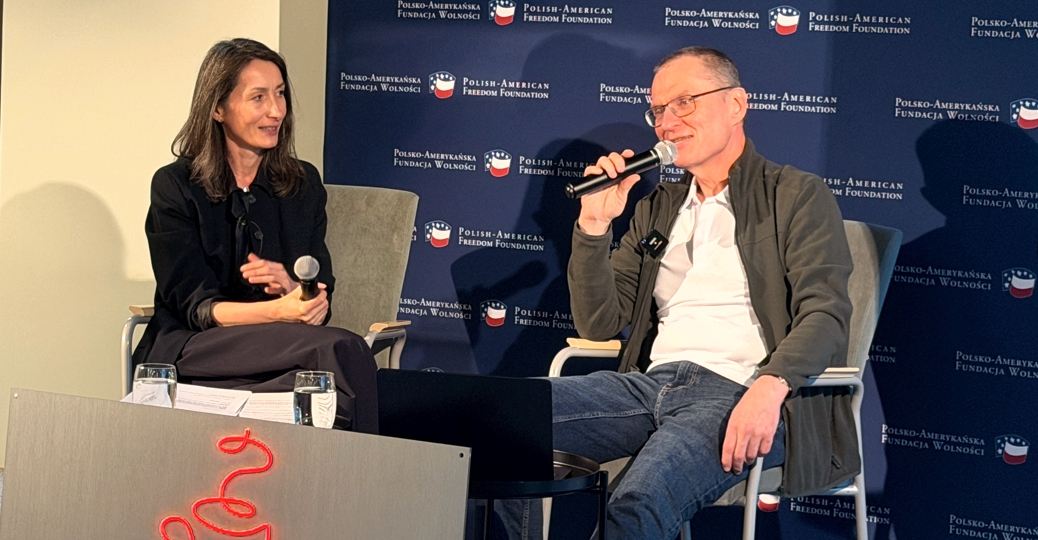
“Today, the School of Education team is sharing the experience which once they themselves benefited from. The PAFF and UW School of Education was established based on the knowledge and methodology of Teachers College, Columbia University. Now, the School of Education’s staff plays a similar role for their Ukrainian partners: they present solutions developed at the School of Education, discuss ways to support teachers or respond to the changing needs of education,” says Marianna Hajdukiewicz, PAFF Program Director.
The visit is the next stage of a project that has been run since 2025. As part of the project, experts from the School of Education, together with specialists from Karazin University, conducted online classes for Ukrainian female teachers. Joanna Lilpop and Beata Ordakowska-Szumska worked with the participants on STEAM education, while Magdalena Jurewicz and Grażyna Sekulska-Gładysz led activities focused on mentoring.
The program for the week-long visit to Warsaw combines workshops, methodological sessions, observations of various approaches to organizing education, and opportunities to share experiences. The participants discussed the Polish education system, its conditions, challenges, and the context of ongoing changes during a meeting led by Prof. Jolanta Sujecka-Zając, Director of the School of Education, and Dr. Kinga Białek, Director of Development at SE. They also took part in workshops focused on teaching skills, including fostering teamwork in the classroom. Workshop topics included STEAM education, hands-on lessons, the “Thinking Classroom,” and the concept of Critical Reading. The participants also visited the Copernicus Science Center, observing how to create spaces for extracurricular education.
The last two days of the visit were largely planned by the guests from Ukraine themselves. This was a time for presentations of their projects, methodological workshops, and discussions about the experiences gained during the year-long program.
The collaboration with the Teachers’ Academy at V.N. Karazin Kharkiv National University is based on knowledge sharing: both sides developed their own materials, shared best practices, and jointly sought ways to better prepare teachers for work in a changing school environment. The project was implemented thanks to funding from Polish-American Freedom Foundation, the Foundation for Quality Education, and the “Study Tours to Poland” program.