








A teenager slams the door, and an adult thinks: “He’s doing this to spite me.” But what if a biological overhaul is taking place in his brain—one he has no control over? Experts and young leaders addressed this question during the “Ready for the Future: A Do-Over At Adulthood debate.
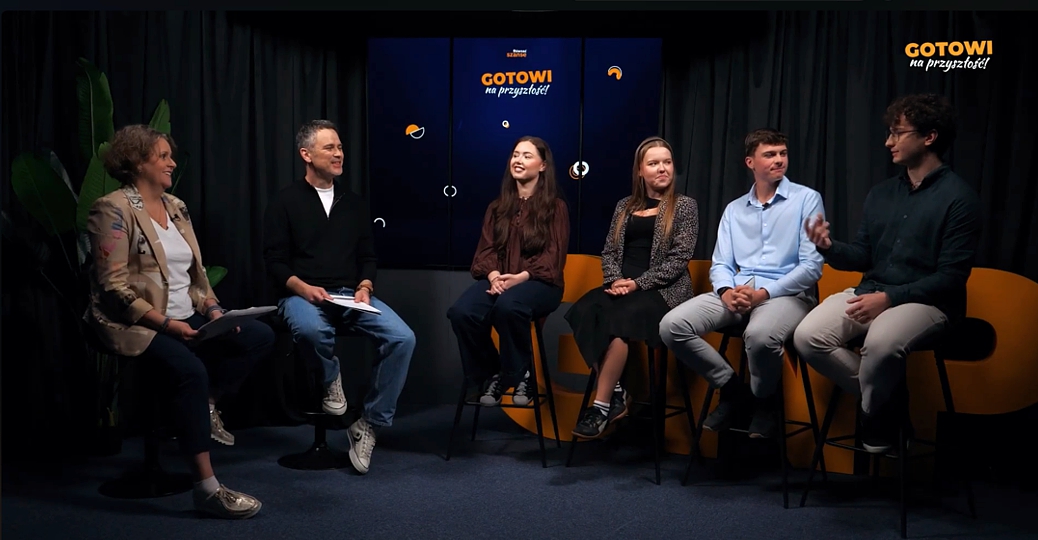
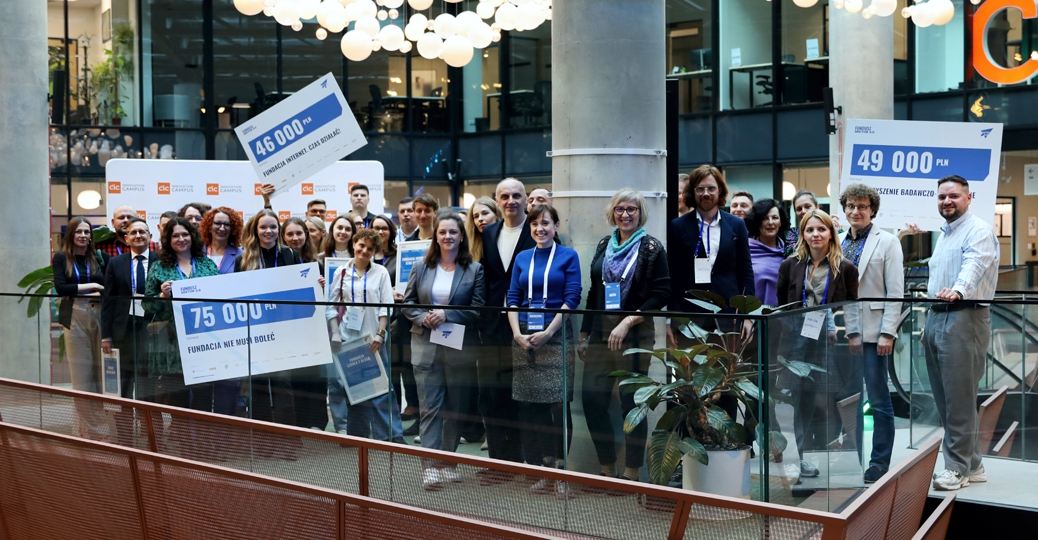
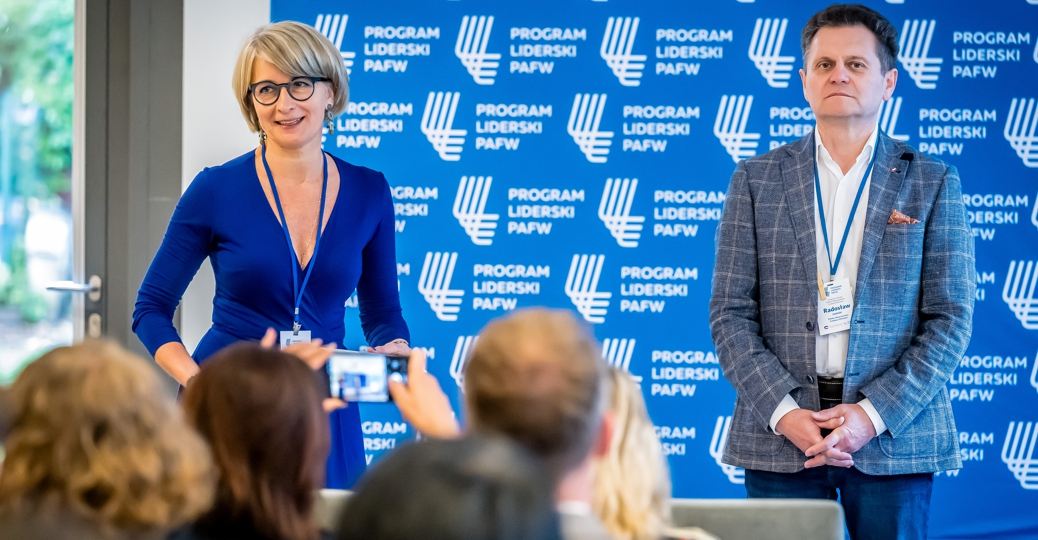
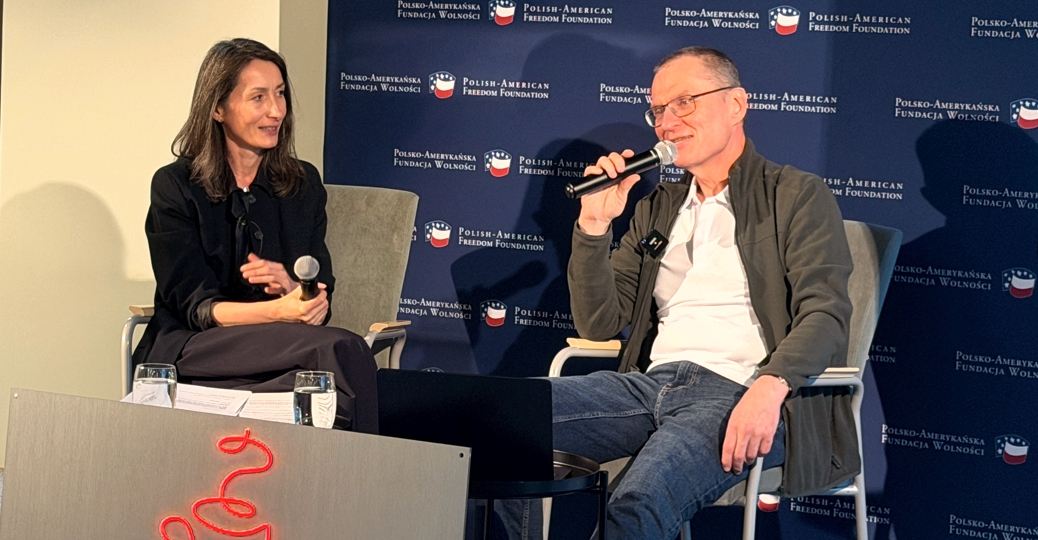
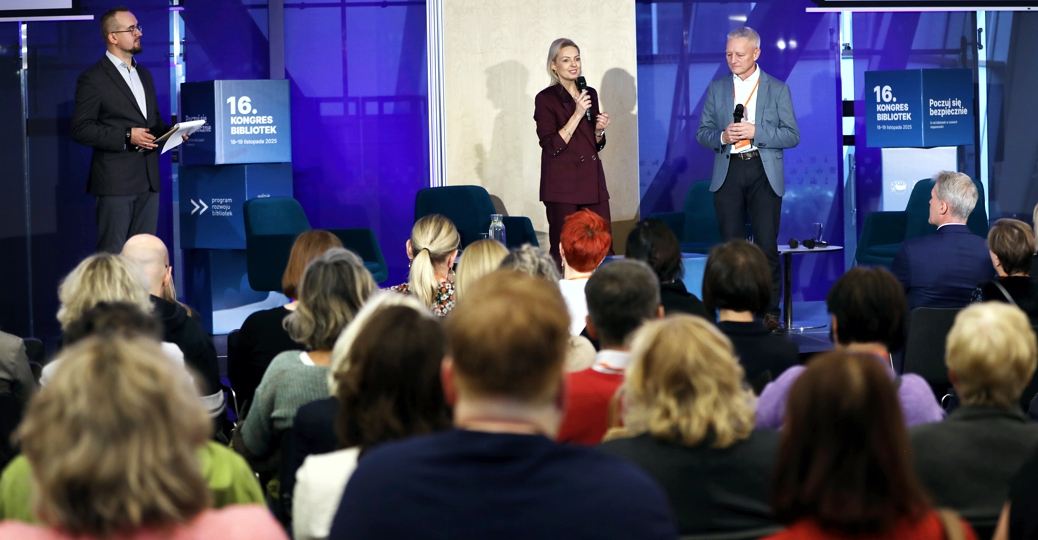
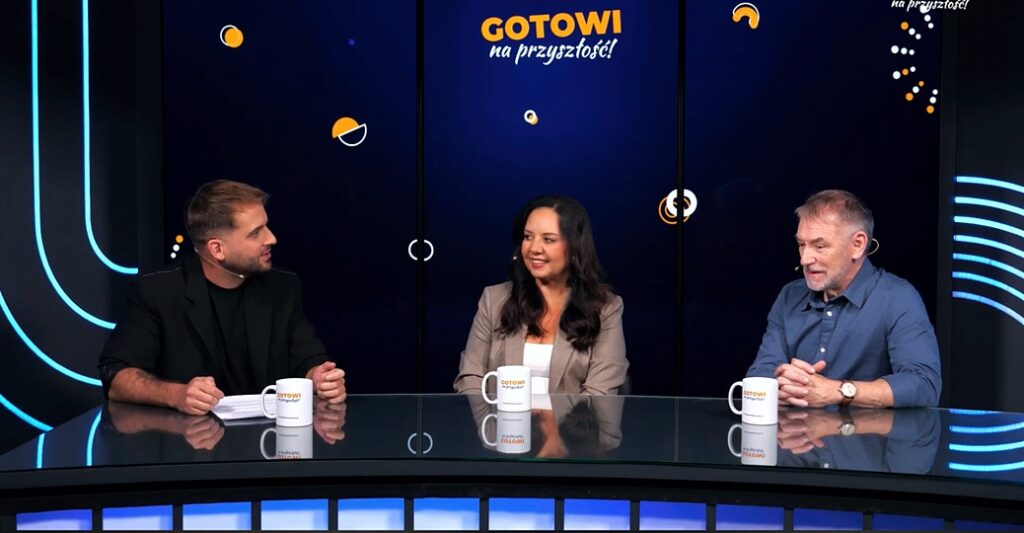
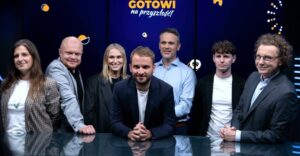
On October 13, 2026, those who work with young people on a daily basis—teachers, librarians, community center staff, community activists, and parents—gathered online. This free online event was the sixth round of the Ready for the Future series and was organized as part of the “Equal Opportunities” program of Polish-American Freedom Foundation, run by the Ready for the Future Foundation. The event was hosted by Janusz Schwertner.
The Brain Under Renovation
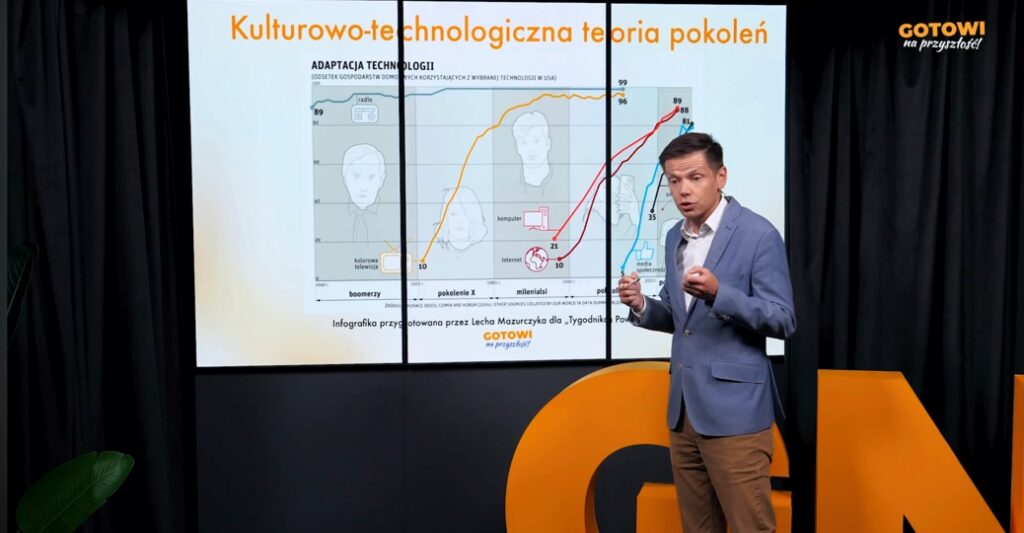
Prof. Marek Kaczmarzyk, a neurodidact from the University of Silesia, explained that during adolescence the brain loses roughly half of its neural connections, with most of this pruning occurring between the ages of 12 and 17. A young person can therefore, in the literal sense, go to sleep in one world and wake up in a slightly different one. In the evening, they want to go biking with their parents, but in the morning they don’t feel like it and can’t explain why. This isn’t mischief, but a stage of development. He added that neurobiology doesn’t excuse anything, but it explains a lot.
Psychologist Justyna Żukowska-Gołębiewska emphasized that this knowledge does not relieve adults of their responsibility. The brain is restructuring itself, but that is precisely why parents should respond differently: set boundaries, teach new skills, and first manage their own anxiety before knocking on a teenager’s door.
Allies, Not Guardians
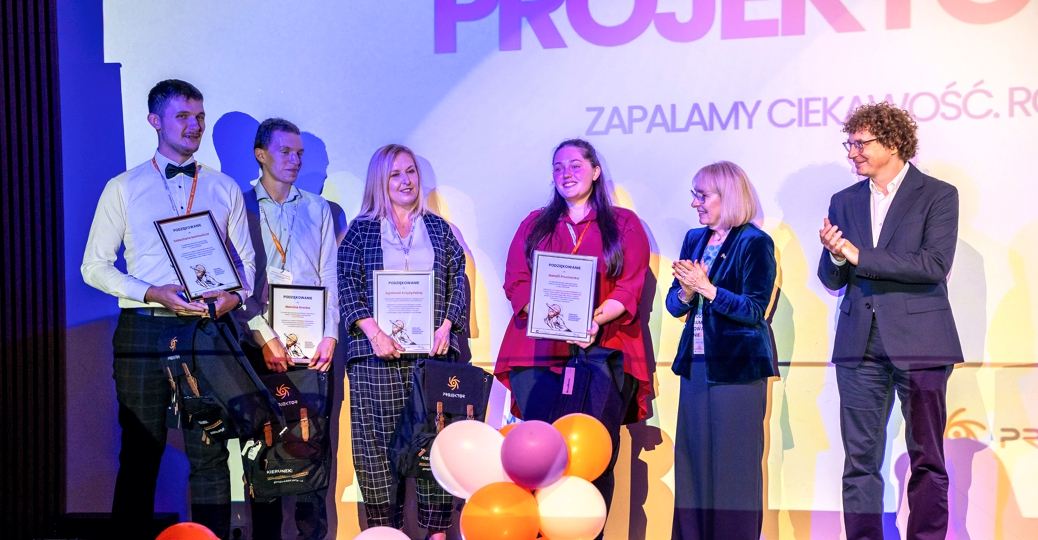
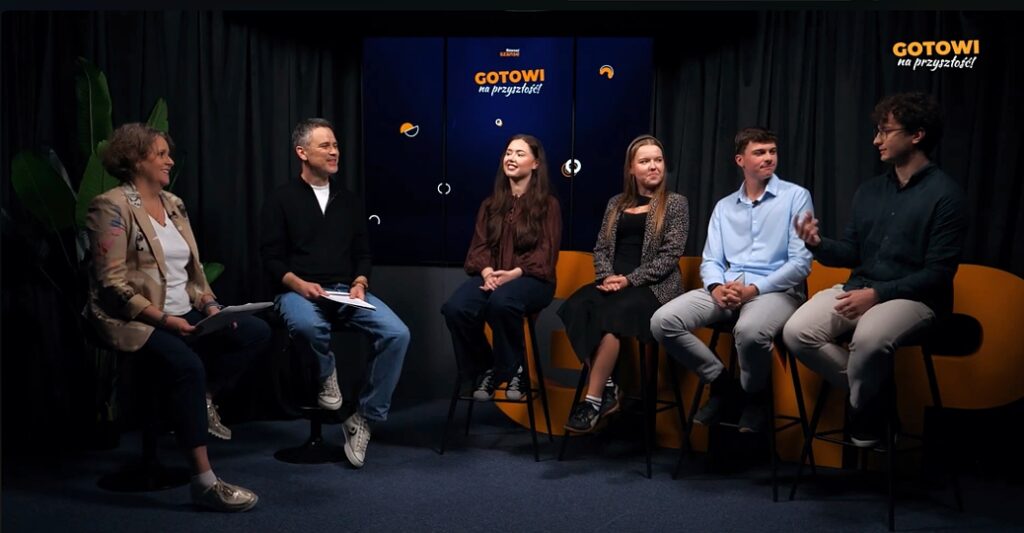
The most powerful moment of the day belonged to the young people. In a reverse debate, the leaders of the “Equal Opportunities” program—Krzysztof Gąsiorowski, Natalia Kryjak, Dawid Świderski, and Zosia Włochyńska—asked the experts questions, rather than the other way around. According to Zosia, the fear of making a mistake is often just an excuse, because adults are really afraid of losing control, and authority is built by saying, “I don’t know, but I’ll check.” Dawid urged everyone to look for solutions instead of problems, and Natalia said that in a board game project, the biggest lesson turned out to be a simple phone call to the print shop. Such “soft skills,” as she called them, are a step toward adulthood, even though adults rarely appreciate them. The young people unanimously asked for one thing: the right to make mistakes and an adult who will be there when something goes wrong.
Michał Romanowski, the program’s coach, recounted a sailing anecdote: in races, motorized boats win—even though motors are prohibited—because the captain knows he has a contingency plan if the boat runs aground. An adult should be like that engine—one that kicks in when a young person asks for it. Joanna Berendt, a trainer in nonviolent communication, added that behind the need to control and rescue lie ordinary human needs for closeness and influence, which can be met in other ways.
The Park Bench vs. the Phone
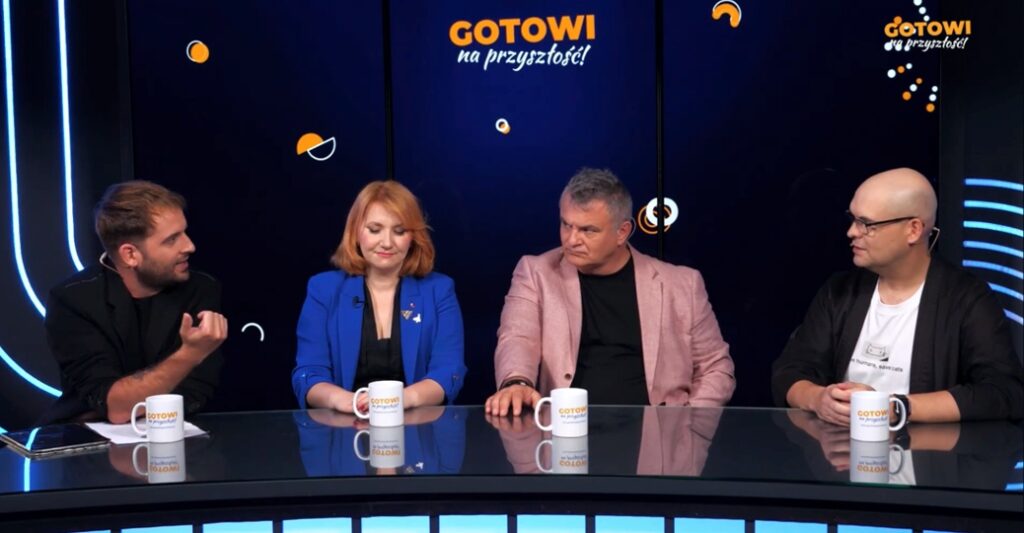
Prof. Jacek Pyżalski cited research showing that hybrid friendships—partly online, partly in person—were rated the highest. The internet isn’t the cause of problems, but rather a place where relationships manifest themselves. Sylwia Czubkowska described mechanisms designed to attract attention, from dopamine loops to endless scrolling. Michał Radomił Wiśniewski spoke about the bench outside the library, which is sometimes more important to young people than a modern cultural center. The discussion also raised the point that children have taken over digital spaces because no one has built spaces specifically for them. The common conclusion: instead of relying solely on bans, adults should engage with young people in their world, talk about technology, and admit when they don’t know something.
The Agency Laboratory
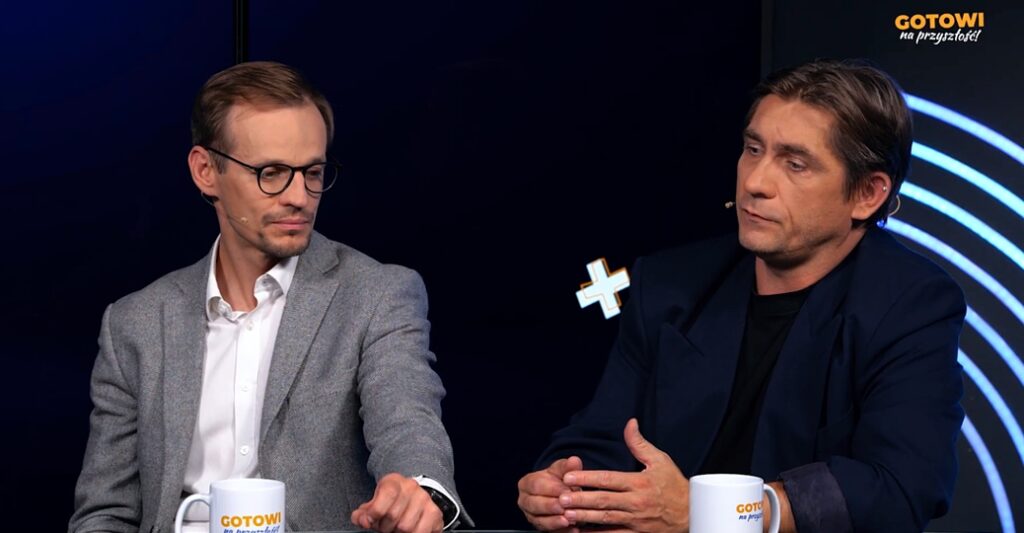
Prof. Przemysław Sadura, Ewa Radanowicz, and Dr. Jędrzej Witkowski from the Center for Citizenship Education Foundation spoke about small towns and schools. Dr. Jędrzej Witkowski cited data showing that 38 percent of Polish 15-year-olds consider school a waste of time, and he encouraged taking small steps: pair discussions instead of quizzes, student projects, and class self-governance. Ewa Radanowicz advised starting with a thorough self-assessment and then testing changes on a small scale. Prof. Przemysław Sadura, on the other hand, defended rebellion as a necessary stage without which a dialogue based on partnership is difficult to achieve.
Handing Over the Reins
Kacper Nowicki drew attention to the paradox of coming of age: at 17 years and 364 days, young people are expected to display childlike obedience, yet just one day later, they are expected to be fully adult. He also spoke about the inequalities between large cities and rural areas, where there is often a lack of trains and funding for youth initiatives; as a positive exception, he pointed to a small municipality where the youth council has a larger budget than that of Poznań. He began building his own agency in the third grade of elementary school by running for the student council, and today, as he said, he believes that his generation will quickly take on responsibility for many issues.
A Forest Instead of a Generational Gap
Prof. Marcin Napiórkowski argued that instead of thinking about a generational gap, it is better to think of a forest where older and younger plants support one another. He warned against the panic surrounding the “Blue Whale” challenge and the Momo doll, which turned out to be hoaxes but fueled mistrust. Diversity is challenging, but it’s what allows us to avoid false leads. His advice: ask questions out of curiosity rather than lecturing, because curiosity opens up a conversation, while panic shuts it down.
A Safe Base Instead of an Infallible Guardian
During the event, Magda Rysuje (Magda Draws) turned conversations into graphic notes, which the organizers are sharing on social media. The common thread among all the voices could be summed up in a few words: less judgment and “knowing better,” more trust, curiosity, and presence. The moderator appealed to adults to stop playing the role of infallible guardians and instead become a safe base for young people.
A recording of the sixth round of the Ready for the Future meeting is available at gnp26.pl.