





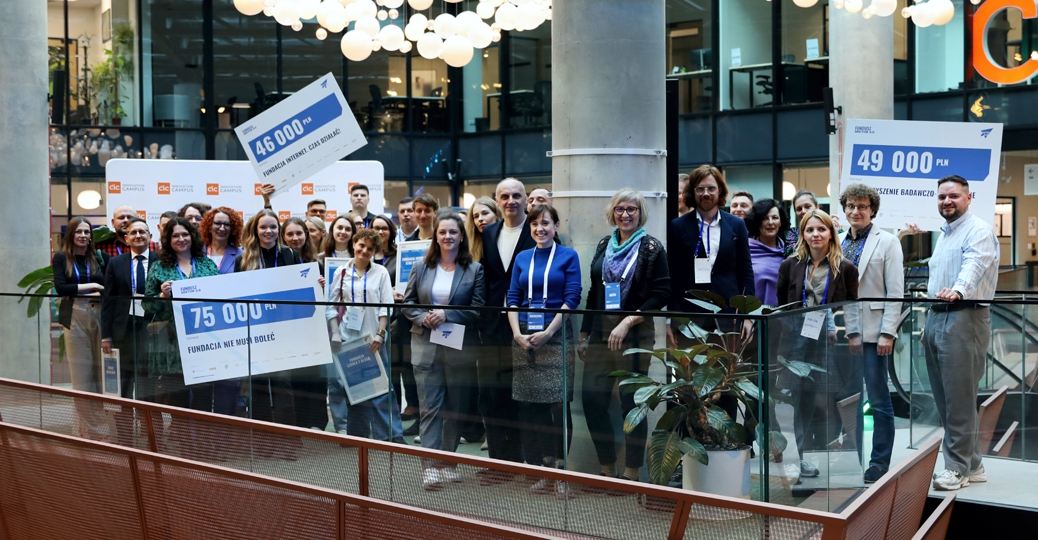
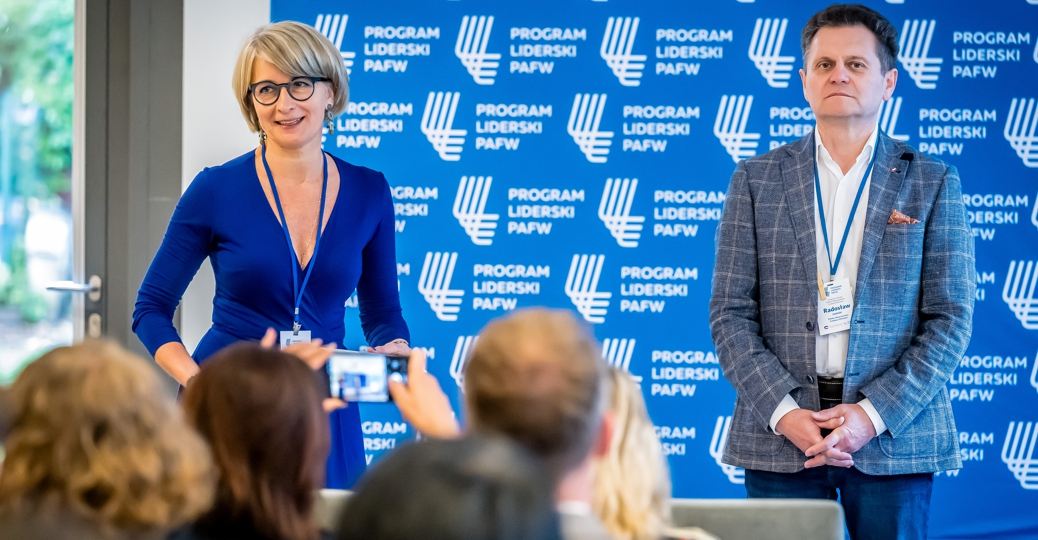
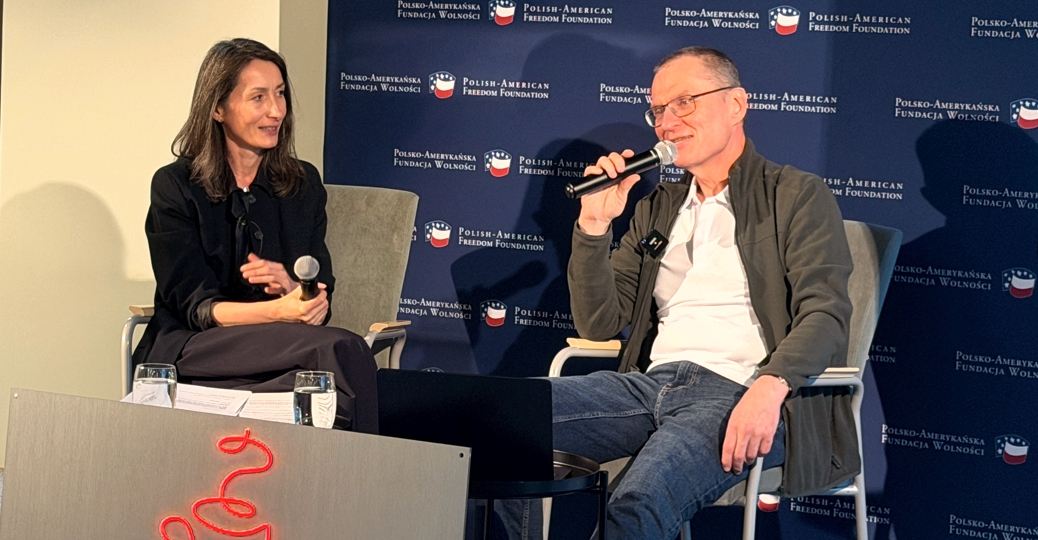
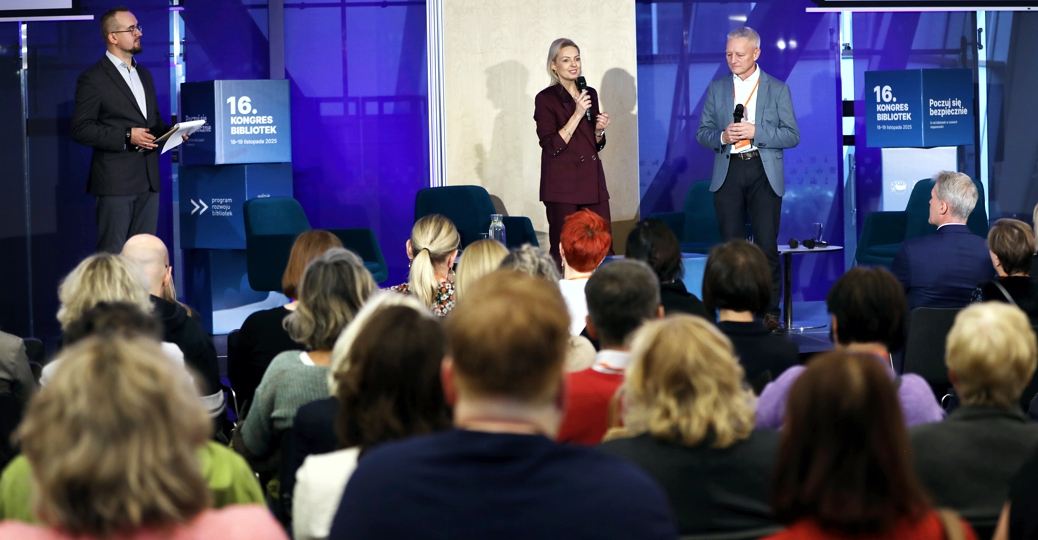

On June 22, the finals of the Collective Portrait of the Century history competition for young people, organized by the KARTA Center Foundation, took place at the Palace of the Republic in Warsaw, which is the seat of the National Library. Polish-American Freedom Foundation was a partner and founder of the event.
The event was organized on the occasion of the 100th anniversary of the 1926 Declaration of Admiration and Friendship for the United States, signed by nearly 1.3 million citizens of the Second Republic of Poland. This unique gesture was an expression of the strong bonds that connected Poland and the U.S. as far back as a century ago. Today, thanks to the Polska1926.pl website, the document has become an inspiration for exploring both the history of Polish-American relations and the fates of its signatories. Thanks to the project’s partners—a TVN documentary series and a PKP (Polish State Railways) campaign—the Declaration is attracting increasing interest.
The competition was addressed to students in the upper grades of elementary and secondary schools. Participants were tasked with learning about the history of the people who signed the Declaration, reconstructing their life stories, and presenting them in a modern format. Five teams were selected for the finals by a jury chaired by Zbigniew Gluza, founder of the KARTA Center Foundation.
The final gala was hosted by Monika Tomasik of TVN. Dr. Tomasz Makowski, Director of the National Library, opened the ceremony, emphasizing the special significance of the venue—an institution that safeguards national heritage and historical memory, which naturally aligns with the idea of commemorating the Declaration.
The event was attended by Stephanie E. Holmes, Deputy Chief of Mission at the U.S. Embassy in Poland, who emphasized the importance of the enduring Polish – American relationship. She noted that the youth’s involvement demonstrates that the ties between the two countries are not merely a matter of diplomacy but are deeply rooted in people’s experiences and shared history.
Jerzy Koźmiński, President of Polish-American Freedom Foundation and former Polish Ambassador to the U.S. (1994–2000), recalled the story of the Declaration which had remained forgotten in the Library of Congress’s collections for years and was discovered 30 years ago. As he noted, this document, while serving to strengthen Polish-American relations, also played a significant role in Poland’s efforts to join NATO. Addressing the competition participants, he said: “Your works show that history ceases to be an abstraction from a textbook and becomes a story about specific places, people, and their decisions.”
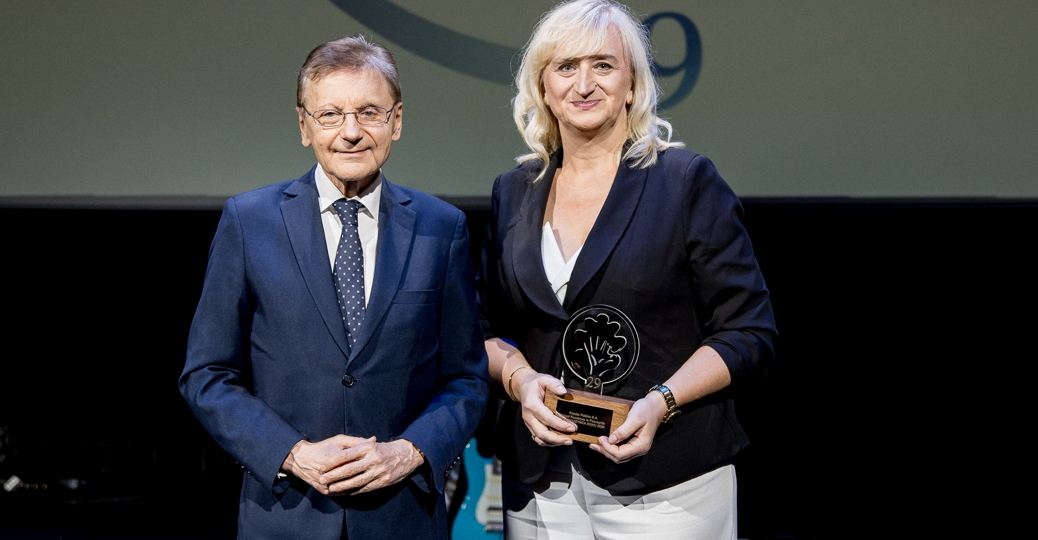
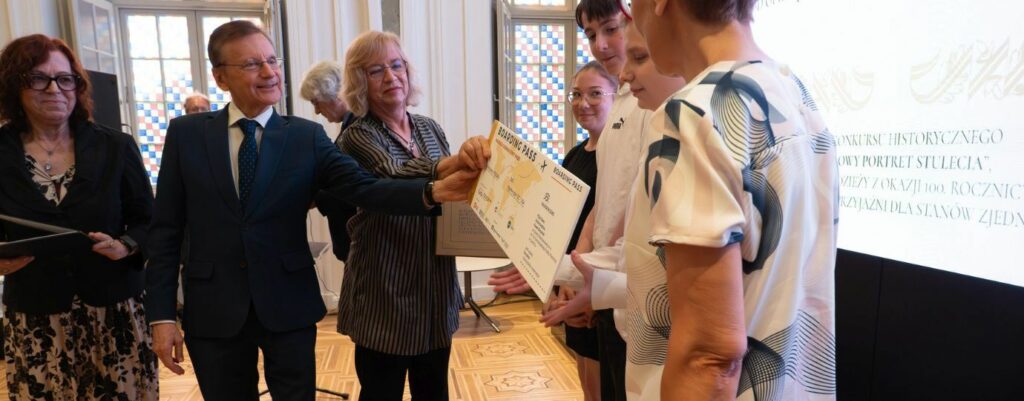
Also Prof. Grażyna Czetwertyńska of the Kosciuszko Foundation Poland spoke about the symbolic and educational significance of the project, emphasizing that the Declaration remains an important bridge connecting generations. As a memento, she presented the participants with a facsimile of the first volume of the Declaration.
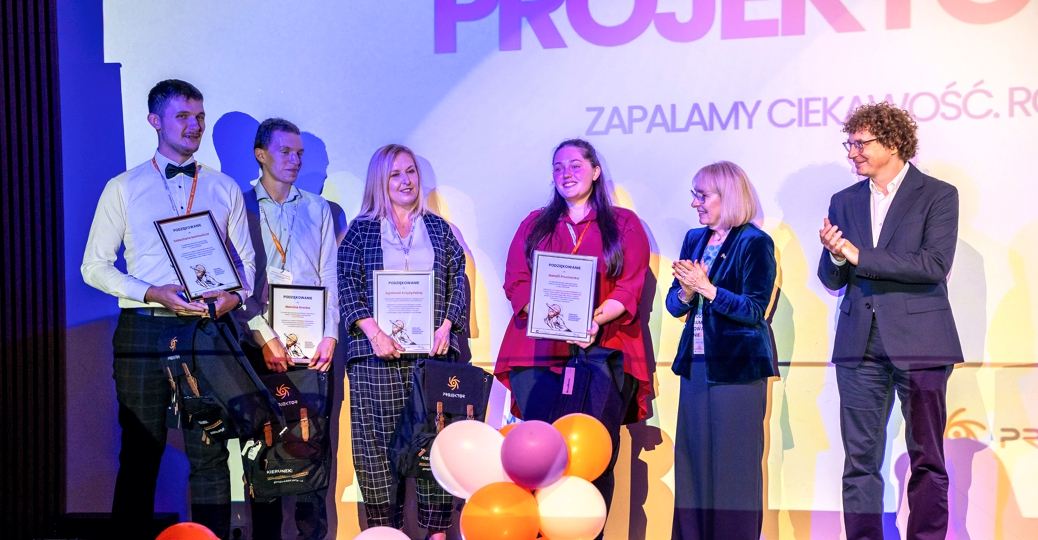
The grand prize was awarded to students from Elementary School No. 4 in Lubliniec for their project A Man of Many Talents—The Story of Józef Gorgosz, recognized for its high level of archival research and creative use of AI tools. The winning team will spend several days in Washington, D.C., this fall, where they will visit the Library of Congress. A special award went to a family group from Poznań for their film “My Footprint: The Story of Szymon Matuszek.” Honorable mentions were also awarded to teams from Brodnica, Drużbice, and Wieruszów. Zbigniew Gluza, Jerzy Koźmiński, and Grażyna Czetwertyńska presented the winners with diplomas and congratulations.
At the end of the ceremony there was a discussion with the creators of the works, moderated by Paulina Chacińska-Wysota of TVN and Jacek Kadaj—a filmmaker and jury member specializing in film production. The participants agreed that new technologies can effectively support storytelling without replacing the sensitivity, creativity, and authenticity of young creators. As one competition participant noted: “Thanks to technology, history is no longer distant—we can tell it in our own way and bring it to life.”
For Polish-American Freedom Foundation, participation in the project was an important part of supporting education and the development of civil society. A hundred years ago, over a million Poles expressed their friendship toward the United States. Today, the younger generation is reinterpreting this gesture, showing that remembering the past helps build the future.
The full list of winners and the awarded projects are available on the Polska1926.pl website.
The competition is organized by the KARTA Center Foundation and funded by Polish-American Freedom Foundation as part of the Learning School program. Partners for the finals include the National Library, the Kosciuszko Foundation, and American Councils for International Education. TVN is the media patron, and the initiative is supported by PKP (Polish State Railways) and TVN.